
Last updated November 17, 2026
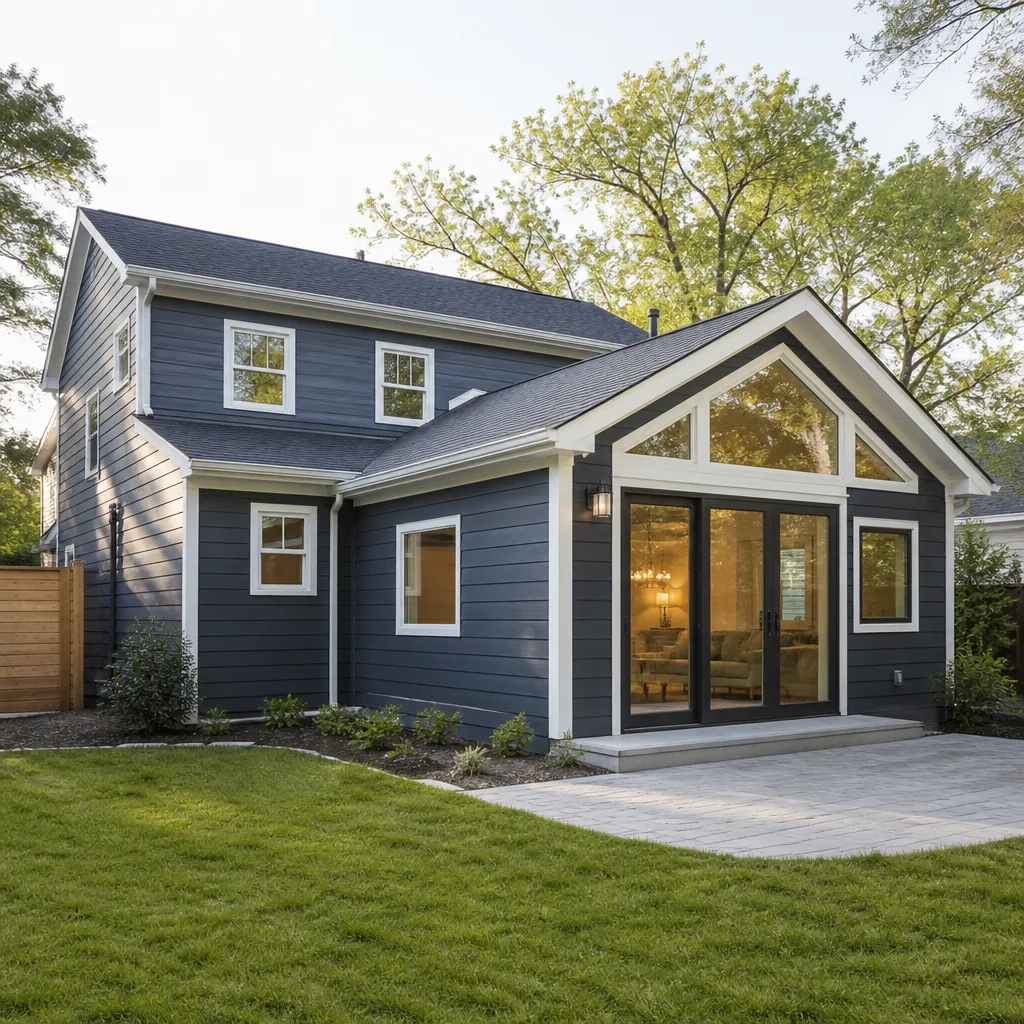 Home additions & ADU
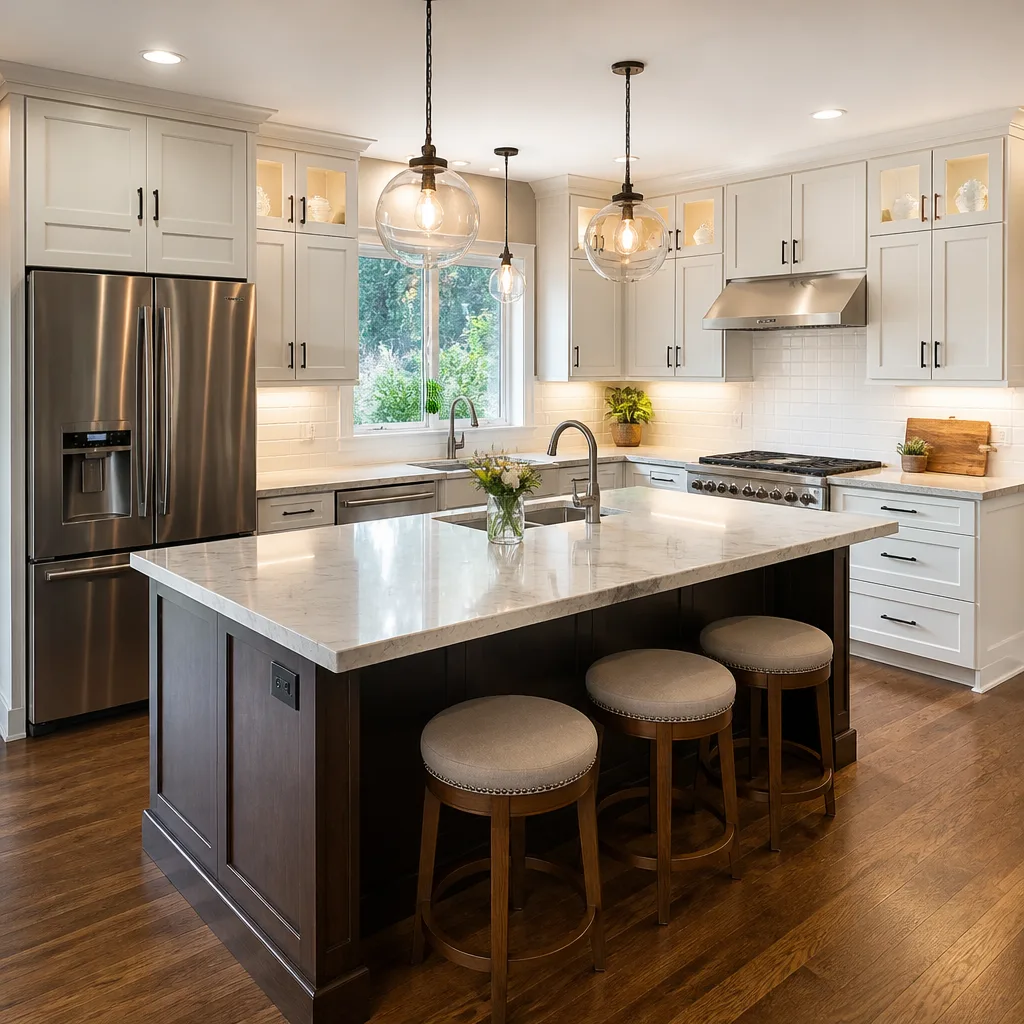 Kitchen remodeling
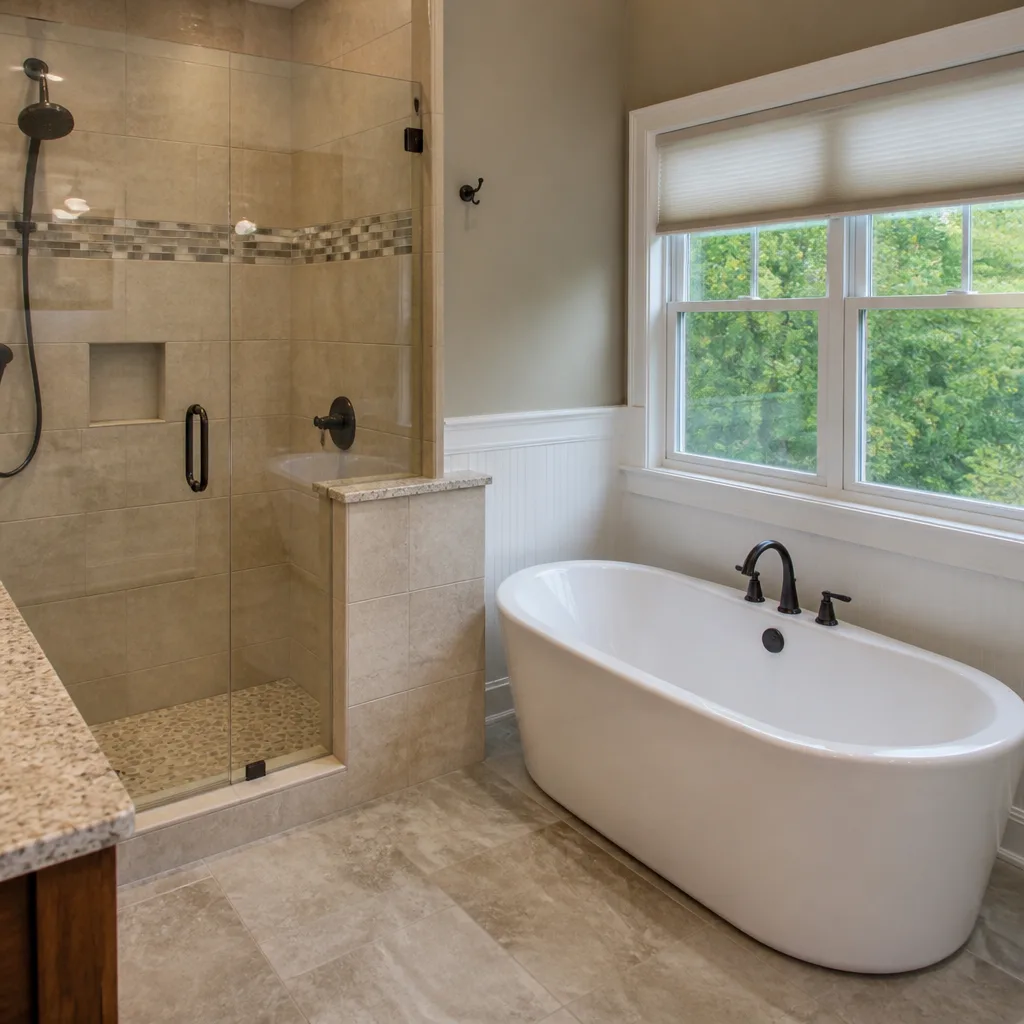 Bathroom remodeling
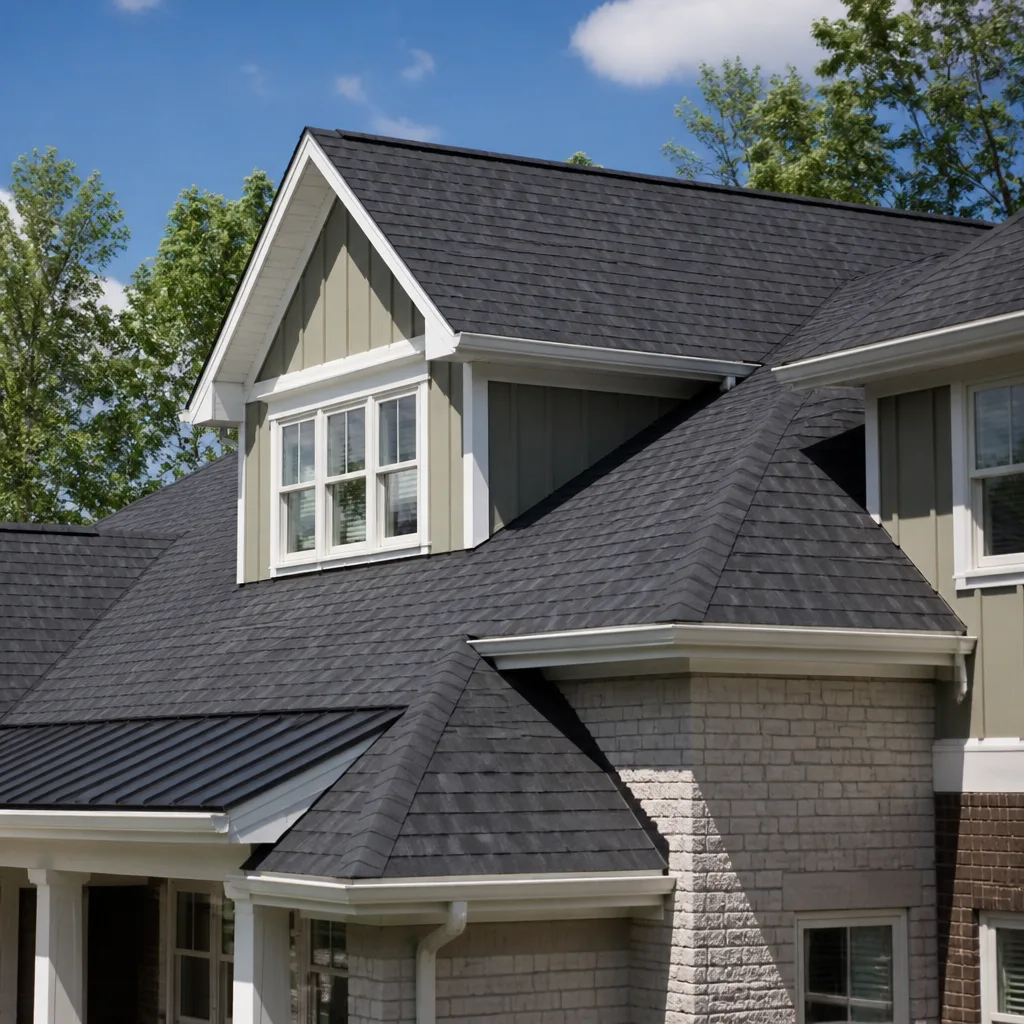 Roofing
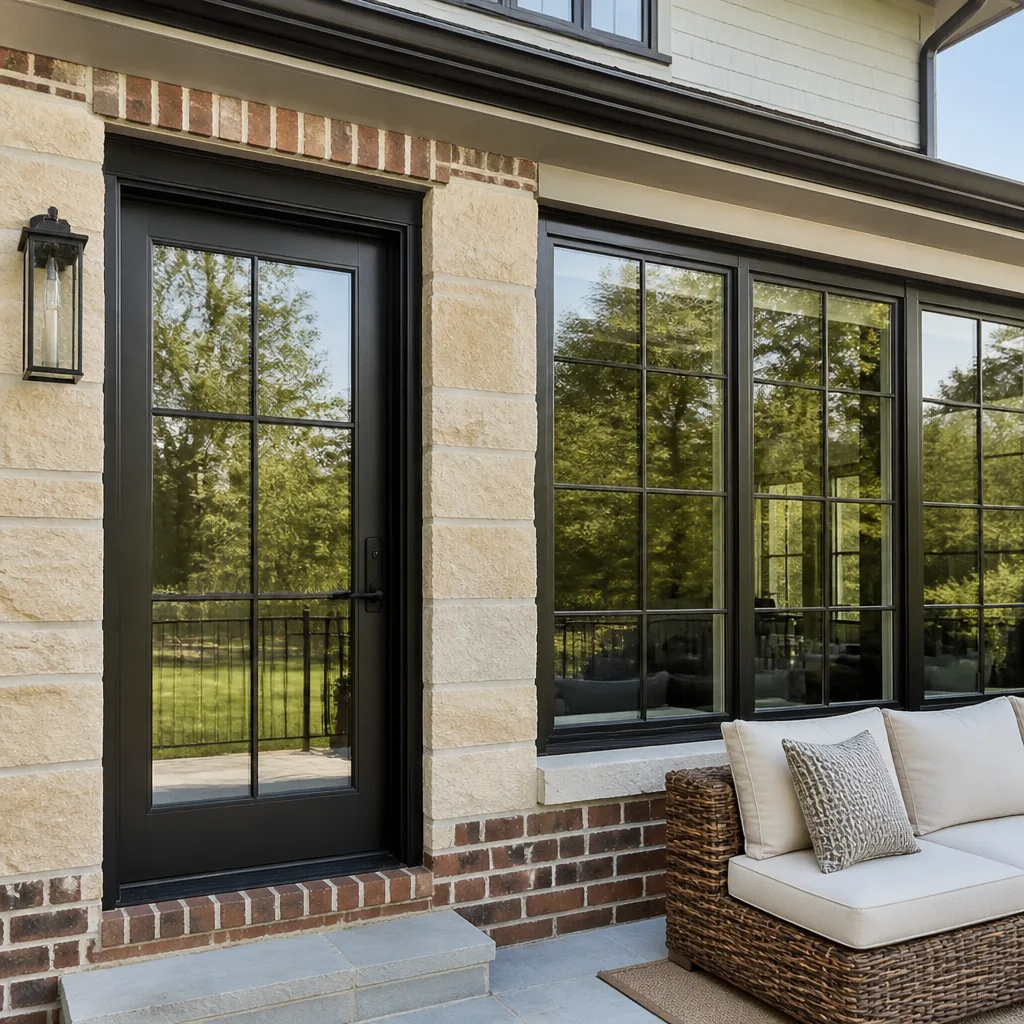 Windows & doors
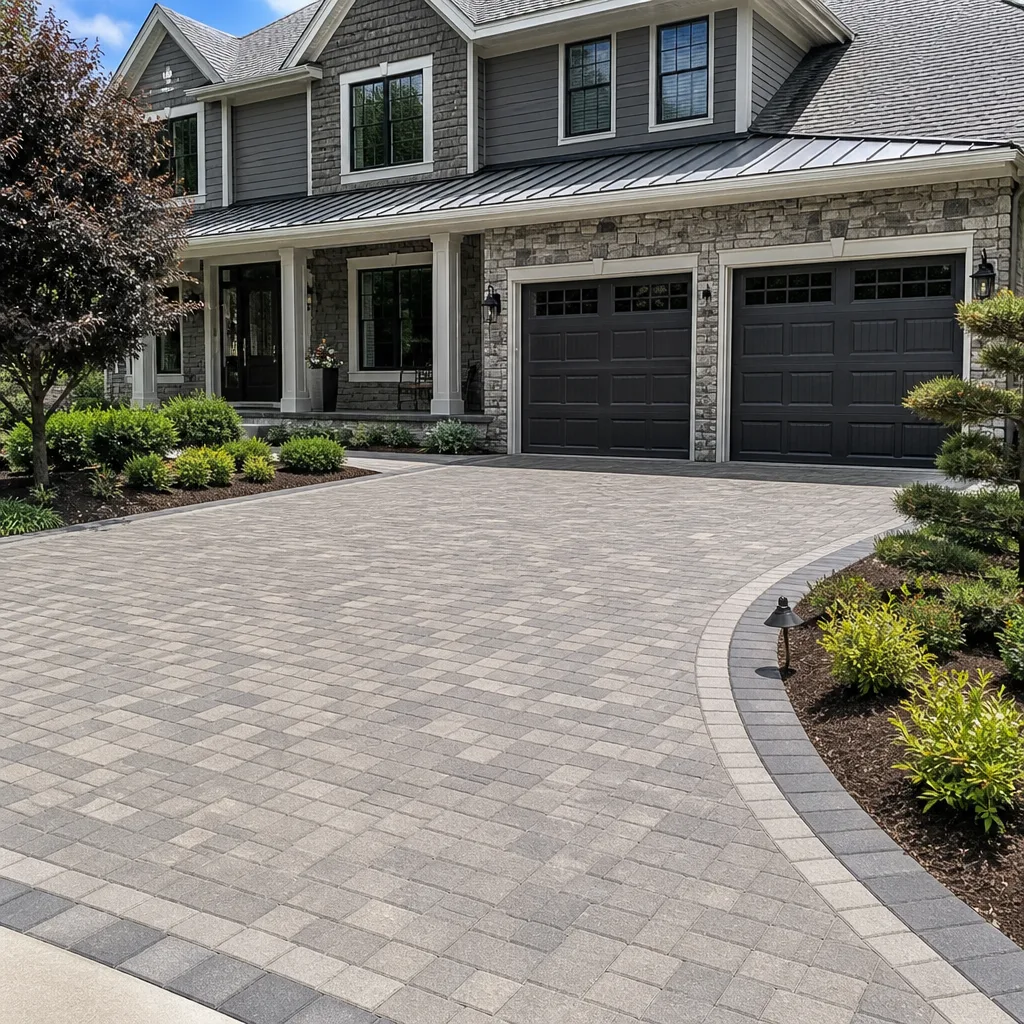 Driveway & pavers
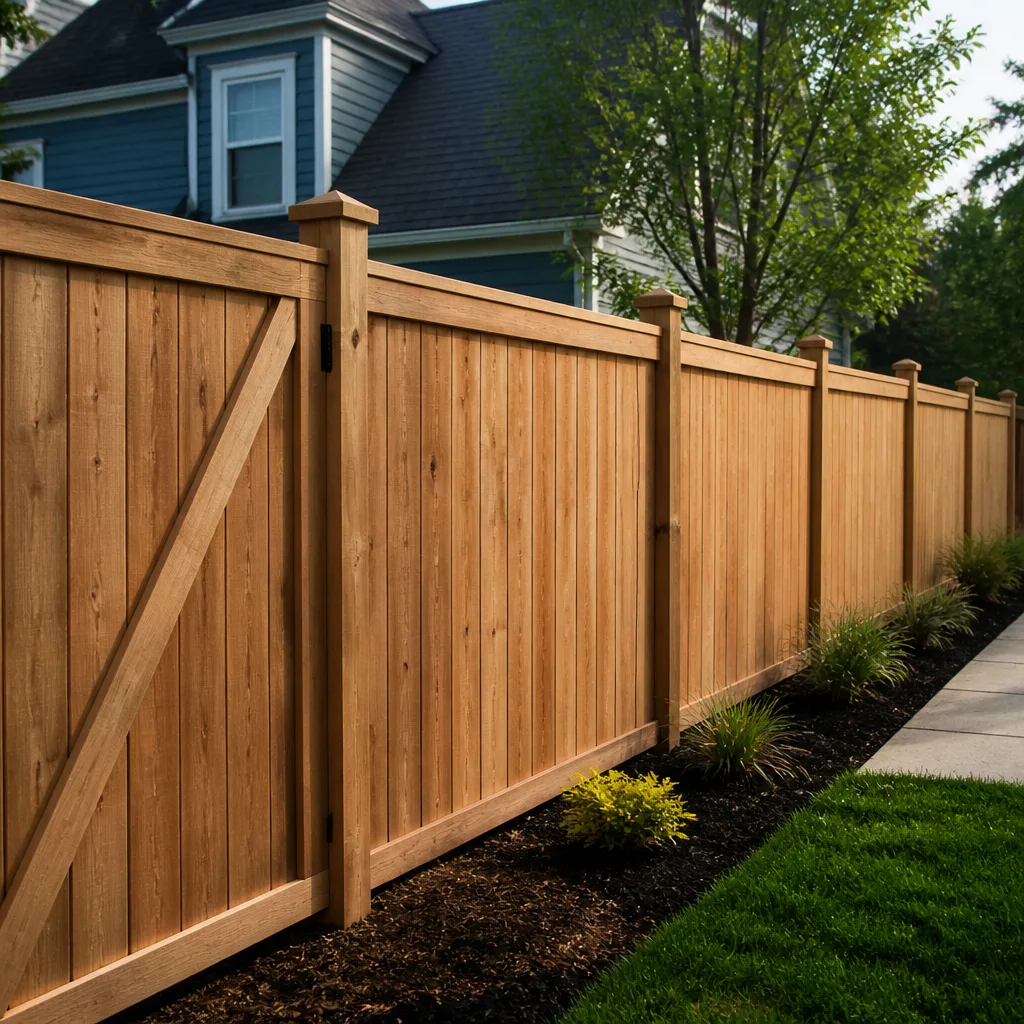 Fence
Free written scope consultation - allowances, timeline, and change-order rules on paper before a single trade is scheduled
Construction Cost Breakdown: The Allen Homeowner’s Reference for 2026
If a contractor quotes you a number that lands right on the national average you found online for a roofing or siding job in Allen, don’t treat that as a win. Treat it as a question mark. National averages are built from a mix of low-cost rural markets and dense metro markets, and Allen doesn’t sit in either. Our labor pool, our permit desk, and the distributor routes that feed North Texas material all push costs to a specific place, and bids that ignore that place usually make up the difference later through trimmed scope, thinner materials, or change orders. This guide breaks down what construction actually costs here in 2026, which categories are still moving, and how to read a bid so nothing gets missed.
Quick Answer
Construction costs in Allen, Texas in 2026 run roughly 15% to 25% above national averages across most project categories, driven by Collin County permit fees, North Texas landfill disposal rates, above-average labor demand, and specialty-trade travel premiums. A roof replacement typically lands between $14,000 and $28,000 depending on material tier and square footage, a new paver driveway between $12,000 and $30,000, and a full kitchen gut-and-remodel between $45,000 and $95,000. Every one of those figures is an estimate, and the written line-item quote you receive is what sets your final price.
Styles & brands we work with
- Kitchen remodeling
- Bathroom remodeling
- Home additions & ADU
- Roofing
- Windows & doors
- Driveway & pavers
- Fence
Table of Contents
- Why Allen Construction Costs Run Above National Averages
- What Does a Roof Replacement Cost in Allen?
- Driveway and Paver Cost Ranges in Allen
- Window and Door Replacement: Where the Money Goes
- Kitchen and Bathroom Remodel Cost Tiers
- Permits, Disposal, and the Fees Nobody Lists
- How to Read a Contractor Bid in Allen
- Which Materials Are Still Unstable in 2026
Why Allen Construction Costs Run Above National Averages
Allen isn’t an expensive place to live, but it’s a competitive place to build. That distinction shows up in every line of a bid. Collin County’s permit fee schedule adds real dollars to any project that touches structure, and the inspection timeline shapes labor scheduling in ways that a rural market never sees.
Labor is the biggest driver. Allen and the surrounding Collin County corridor have absorbed a steady flow of new households, and the trades that serve them are in demand. When crews have backlog, they charge for their time accordingly. That’s not gouging; it’s a market settling. The practical effect is that a project quoted from a national labor index will leave a contractor short, and a short contractor recovers the gap somewhere else.
Material supply matters too. North Texas distributors price against DFW-wide volume and haul distance. Most finished goods route through regional yards before they reach an Allen job site, and that last leg carries a cost. Specialty trades – the ones with fewer qualified hands, like finish carpentry or tile setting to a high standard – sometimes travel from further out, and travel time lands in the estimate.
Where does that leave you? Roughly 15% to 25% above the national benchmark for most categories, with the gap widest on labor-heavy work and narrowest on commodity materials. Plan for the upper end of any range you read, and treat the lower end as achievable only when the scope is genuinely smaller than typical. If you’re pricing a full exterior upgrade, it’s worth looking at Whitman Contractors to see how the categories fit together before you call anyone.
What Does a Roof Replacement Cost in Allen?
A full roof replacement in Allen typically runs $14,000 to $28,000 for a standard single-family home, and the spread depends mostly on material tier, roof complexity, and how much decking has to be replaced once the old shingles come off.
Material tier is the clearest dividing line. Architectural asphalt shingles sit at the entry point and cover the majority of homes here. Premium architectural lines cost more per square but last longer. Stone-coated steel and other premium systems push toward the top of the range. Brand options matter because performance tiers and warranty levels differ by manufacturer – GAF, CertainTeed, Owens Corning, IKO, Atlas, Tamko, and Boral all sit in our material roster, and the right pick depends on your roof pitch, your budget, and how long you intend to stay.
Two cost variables catch homeowners off guard. First, decking: a roof that looks fine from the driveway can hide soft sheathing, and replacing it adds to the bill. Second, roof complexity: valleys, dormers, and multiple planes eat labor and material in ways that a simple gable never does.
- Entry architectural shingle: lower end of the $14,000 to $28,000 range
- Premium architectural shingle: mid to upper range, longer warranty tier
- Metal or stone-coated systems: top of the range and beyond for complex roofs
- Decking replacement: priced per sheet, added only if the inspection shows it’s needed
- Gutters and drip edge: often quoted separately, so confirm they’re included
Ask for the brand and product line by name in the bid. A quote that says “architectural shingle” without a manufacturer is a quote that leaves the decision to whoever loads the truck. Roofing is physically dangerous work, and we don’t recommend homeowner installation at any pitch – a trained, insured crew is the right call on every roof.
Driveway and Paver Cost Ranges in Allen
A new paver driveway in Allen typically costs between $12,000 and $30,000, with the range set by square footage, paver selection, base preparation, and how much demolition and haul-off the existing surface requires.
Base preparation is the part homeowners underestimate. Allen’s expansive clay soils move with moisture, and a paver driveway is only as good as the compacted base beneath it. Shortcutting the base saves money up front and costs far more later when the surface shifts. Any quote that doesn’t describe base depth and compaction in writing deserves a second look.
Paver selection drives the rest. Belgard, Unilock, Techo-Bloc, Tremron, and Cambridge Pavers all offer distinct product lines, and the cost per square foot varies meaningfully between standard and premium styles. Larger format pavers, tumbled finishes, and multi-piece patterns take longer to install and price accordingly. Permeable systems cost more than conventional ones.
Concrete remains the budget option, and a poured driveway is a fair choice when the goal is functional access rather than curb presence. For homeowners planning a full front-of-house upgrade, it helps to see how driveway & pavers work fits alongside fencing and landscaping before committing to a surface. The finished driveway is the first thing anyone sees, and it sets the tone for everything behind it.
Window and Door Replacement: Where the Money Goes
Window replacement in Allen typically runs $600 to $1,400 per opening installed, with the per-window figure climbing for large units, custom sizes, and high-performance glass packages. A whole-house replacement on a typical Allen home often lands between $12,000 and $28,000.
Three things move the number. Frame material is the first – vinyl sits at the accessible end, fiberglass and wood-clad cost more. Glass package is the second – energy performance upgrades add cost per unit and pay back over years. Installation method is the third, and it’s the one most bids gloss over. A full-frame replacement involves more labor and trim work than an insert replacement, and the two shouldn’t be priced the same way.
Doors follow a similar logic. An entry door with a quality slab, a proper frame, and quality hardware costs more than a builder-grade unit, and the difference shows in how it closes after five years. Therma-Tru is a common reference point for entry systems; PGT, CGI, ES Windows, and ECO Window Systems cover the window side. Ask which brand and series is in the bid before you compare two quotes side by side.
Windows are also where the biggest energy savings hide. Allen summers are long and hot, and the glass package you choose affects cooling load for the life of the window. That doesn’t mean the most expensive option is right for every home. It means the choice should be deliberate, not whatever the installer happened to have on hand.
Kitchen and Bathroom Remodel Cost Tiers
A full kitchen remodel in Allen typically runs $45,000 to $95,000, and a hall bathroom remodel typically runs $18,000 to $38,000. Those ranges assume a gut-and-rebuild within the existing footprint and a mid-to-premium material tier.
Kitchens break down into four cost centers:
- Cabinetry. The single largest line in most kitchens. KraftMaid and Wellborn both offer semi-custom lines that give real layout flexibility without full custom pricing.
- Countertops. Cambria, Silestone, and Caesarstone quartz products sit in the middle-to-upper tier. Slab selection, edge profile, and cutout count all affect the final figure.
- Fixtures and plumbing. Kohler, Grohe, Toto, Moen, and Blanco cover the range from practical to premium. A deep single-bowl sink and a quality faucet are worth the upgrade.
- Tile and installation systems. Schluter tile systems are the standard for waterproofing and substrate work in wet areas, and the labor to install correctly is part of the cost.
Bathrooms follow the same pattern with less cabinetry and more tile. The waterproofing decision is the one that matters most, because a shower that fails costs far more to fix than it did to build. Delta and American Standard fixtures sit comfortably in mid-tier baths, and the material tier you choose determines whether the room feels builder-grade or finished.
One key distinction: mid-cycle renovation keeps the existing footprint and often a lighter permit path. Moving plumbing walls or adding square footage triggers a fuller review, which we cover below.
Permits, Disposal, and the Fees Nobody Lists
Permits and disposal are the two line items missing from most lowball bids, and both are real money in Allen. Collin County and City of Allen permit fees scale with project valuation and scope, so the fee on a roof replacement differs substantially from the fee on a kitchen that moves plumbing. Your contractor should be able to tell you what the permit will cost before you sign, and the permit should be pulled in writing.
Disposal is the quieter cost. North Texas landfill rates are not cheap, and every demolition project generates debris: old shingles, torn-out cabinets, concrete, soil from excavation, and packaging. A typical roof tear-off produces several tons of material. A kitchen gut generates multiple dumpster loads. Those hauls are priced per ton or per container, and a bid that doesn’t mention disposal is a bid that will come back for more money.
Specialty-trade travel is the third hidden cost. Tile setters, finish carpenters, and certain trade specialists with the skill level a premium project requires are not always based nearby. When they travel, their time is in your estimate. That’s not a markup anyone is hiding – it’s the cost of getting the right hands on the job.
A fair Allen bid lists permits, disposal, and any trade travel separately. If those three lines aren’t there, ask where they went.
How to Read a Contractor Bid in Allen
Reading a bid correctly is the single highest-leverage skill in a remodel. A well-built bid is a scope document, not just a number, and the difference between two quotes usually lives in what one of them left out. Here’s how to walk through any bid you receive:
- Check the scope against your own list. Every item you discussed should appear as a separate line with quantity and material specified. If a line says “miscellaneous” or “as needed,” ask what that means in dollars.
- Confirm permits and inspections are named. The bid should say who pulls the permit, and that inspections are included in the price.
- Look for disposal and haul-off. If it’s absent, it’s coming later.
- Identify brand and product line, not just category. “Quartz countertop” is not a specification. “Cambria quartz in [your chosen slab]” is.
- Read the change order clause. Fair contracts explain how changes get priced and approved. Vague language is where budgets go wrong.
- Check the payment schedule. Progress payments tied to completed milestones are standard. Large deposits before work starts are a red flag.
- Ask what happens if the substrate is worse than expected. A good contractor explains the contingency before the wall opens, not after.
The four cost categories most lowball bids omit are disposal, permits, decking or substrate replacement, and finish trim and paint. Those four account for the majority of mid-project budget surprises in Allen. A bid that includes them will look higher than one that doesn’t, and it’s usually the more honest number.
For projects that run across multiple categories – a bathroom remodel alongside a new roof, or an addition plus a driveway – the coordinating contractor carries real value. You can review how home additions & ADU scopes get sequenced alongside other trades to see what that coordination looks like in practice.
Which Materials Are Still Unstable in 2026
Not all material categories behave the same way in 2026. Some have settled into predictable pricing, and some still move on short notice. Knowing which is which tells you where to lock in quickly and where you have room to wait.
Still volatile:
- Roofing shingles. Asphalt-based products track petroleum pricing, and manufacturers have issued mid-year increases in recent cycles. If you have a roof quote you like, don’t sit on it for months.
- Windows and doors. Lead times and freight costs on imported and specialty units continue to move. Custom sizes carry the most risk.
- Certain metals. Aluminum and steel fencing and metal roof systems have seen swings tied to global supply. Aluminum fencing brands deploy pricing adjustments, and quotes reflect the market at the date issued.
Largely normalized:
- Cabinetry. KraftMaid and Wellborn production has stabilized after the post-2020 disruption, and lead times are more predictable.
- Countertops. Cambria, Silestone, and Caesarstone pricing has been relatively steady, though slab availability for specific colors still varies.
- Plumbing fixtures. Delta, American Standard, Toto, and Moen have settled into predictable pricing and lead times.
- Hardscape pavers. Belgard, Unilock, Techo-Bloc, Tremron, and Cambridge have largely caught up with demand.
The practical lesson: on roofing and windows, get the quote and move. On cabinets and countertops, you have enough stability to make careful design decisions without panic. Locking the volatile categories early reduces your exposure to price movement between bid and install.
If fencing is part of the project, fence installation covers the material tiers and how to time it against the rest of the work.
Common Mistakes to Avoid
- Anchoring on national averages. A number pulled from a national cost guide won’t reflect Collin County permit fees or North Texas labor demand. Expect Allen bids to run above those figures, and treat a bid that matches them exactly as a scope question rather than a bargain.
- Comparing totals instead of line items. Two bids at $22,000 can cover wildly different scopes. Put them side by side line by line, and the real difference shows up immediately.
- Ignoring disposal costs. Roof and kitchen tear-offs generate serious tonnage, and North Texas landfill rates make haul-off a real line item. If it isn’t quoted, it’s coming.
- Skipping the permit. Unpermitted work creates problems at resale and can force tear-out. Confirm in writing that the contractor pulls the permit and that inspections are included.
- Choosing material by showroom appearance alone. A paver that looks great on display may not suit a driveway with heavy vehicle traffic, and a countertop that photographs well may not hold up to a busy kitchen. Ask what the product is rated for, not just what it looks like.
- Delaying volatile quotes. Roofing and window quotes have a shelf life. Waiting three months to decide often means a higher number when you circle back.
- Not asking about sequencing. Multi-phase projects live or die on order of operations. Installing a driveway before heavy equipment arrives for an addition means doing the driveway twice.
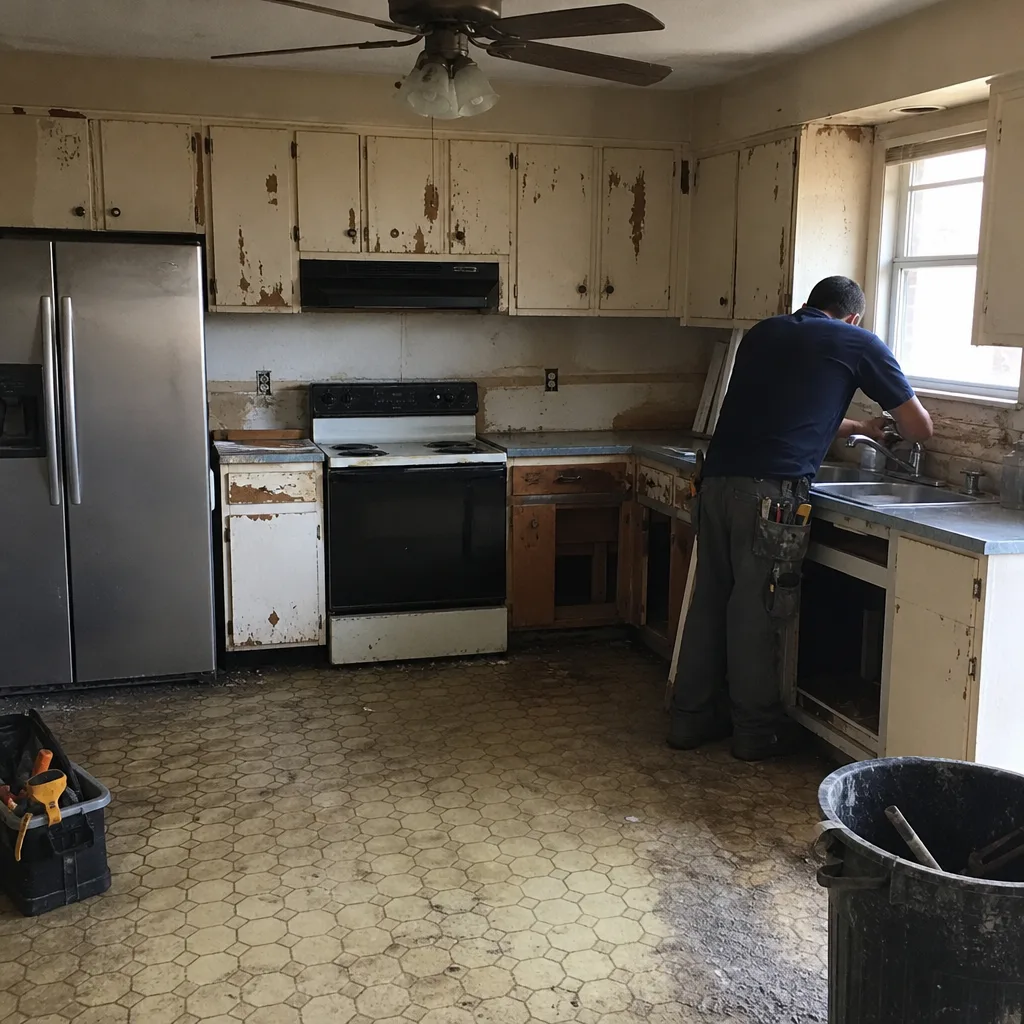
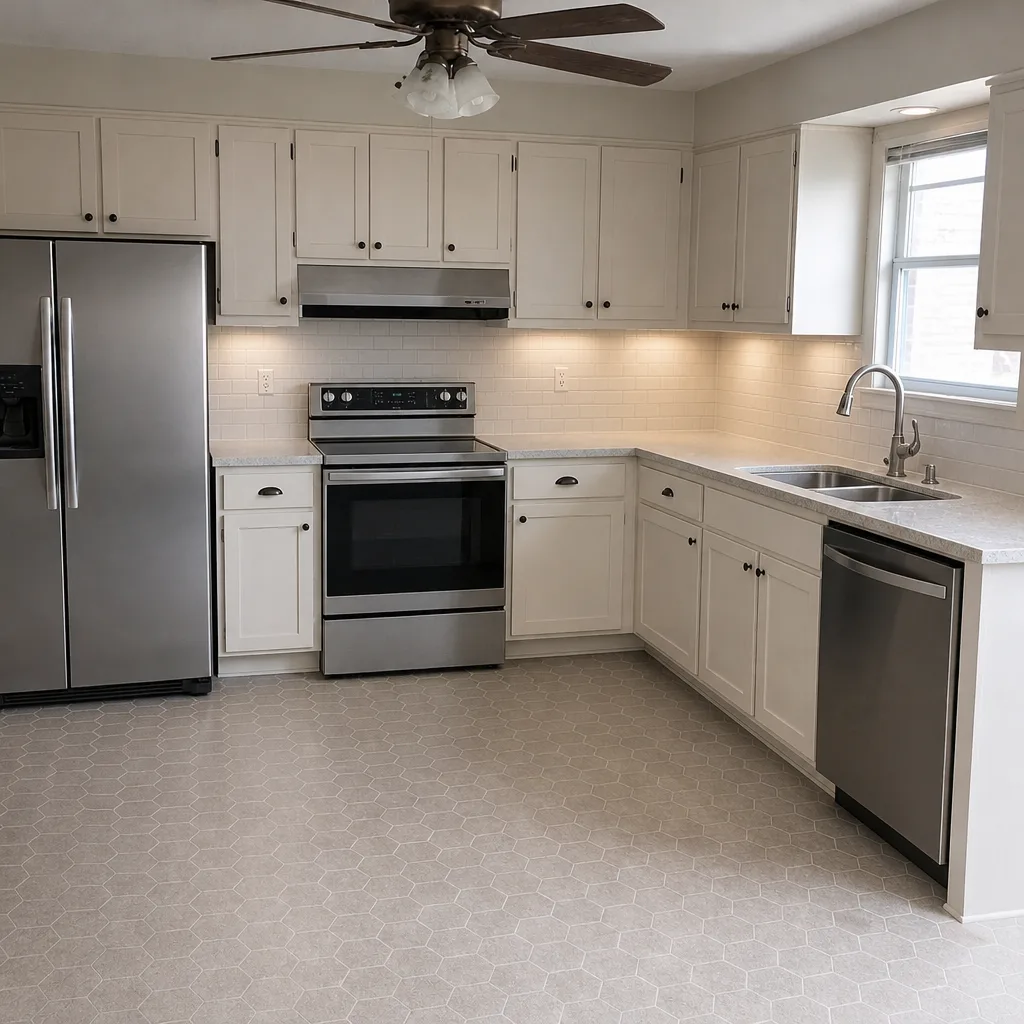
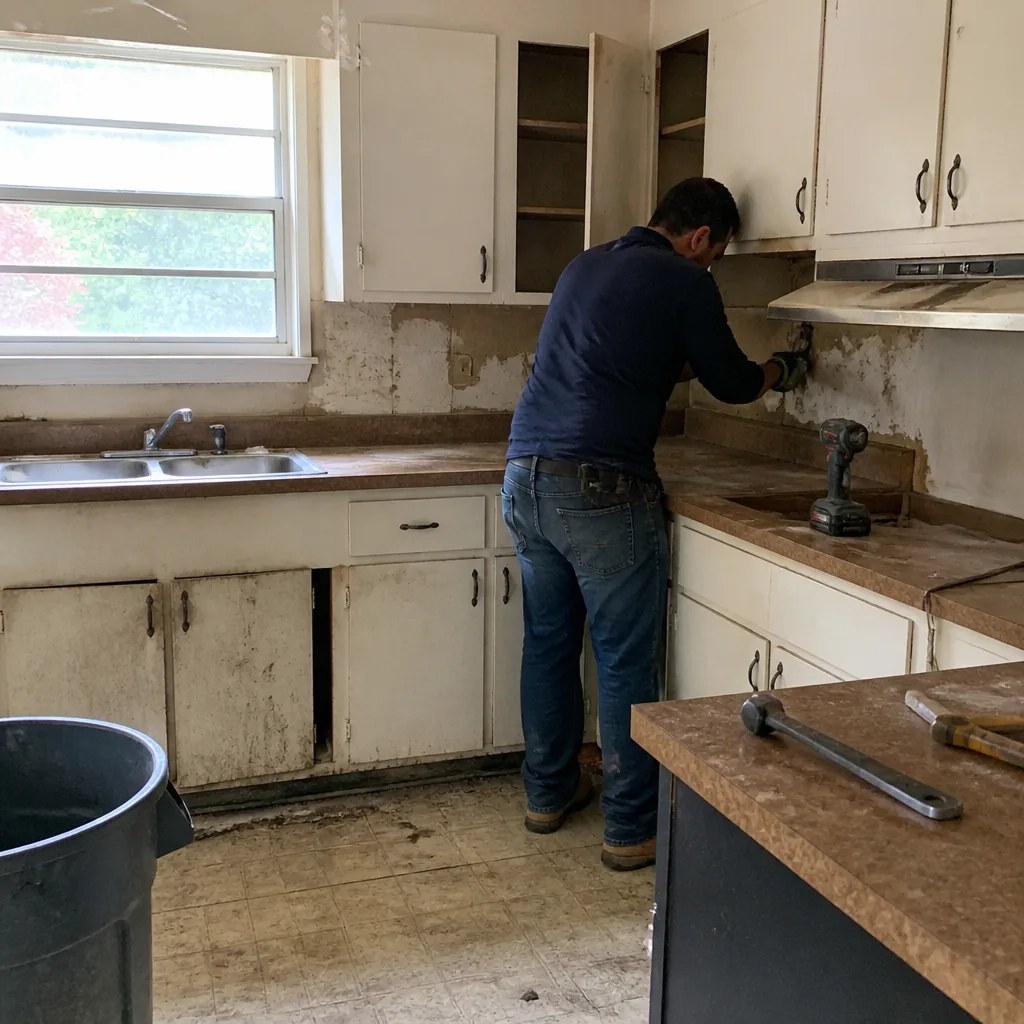
See the difference
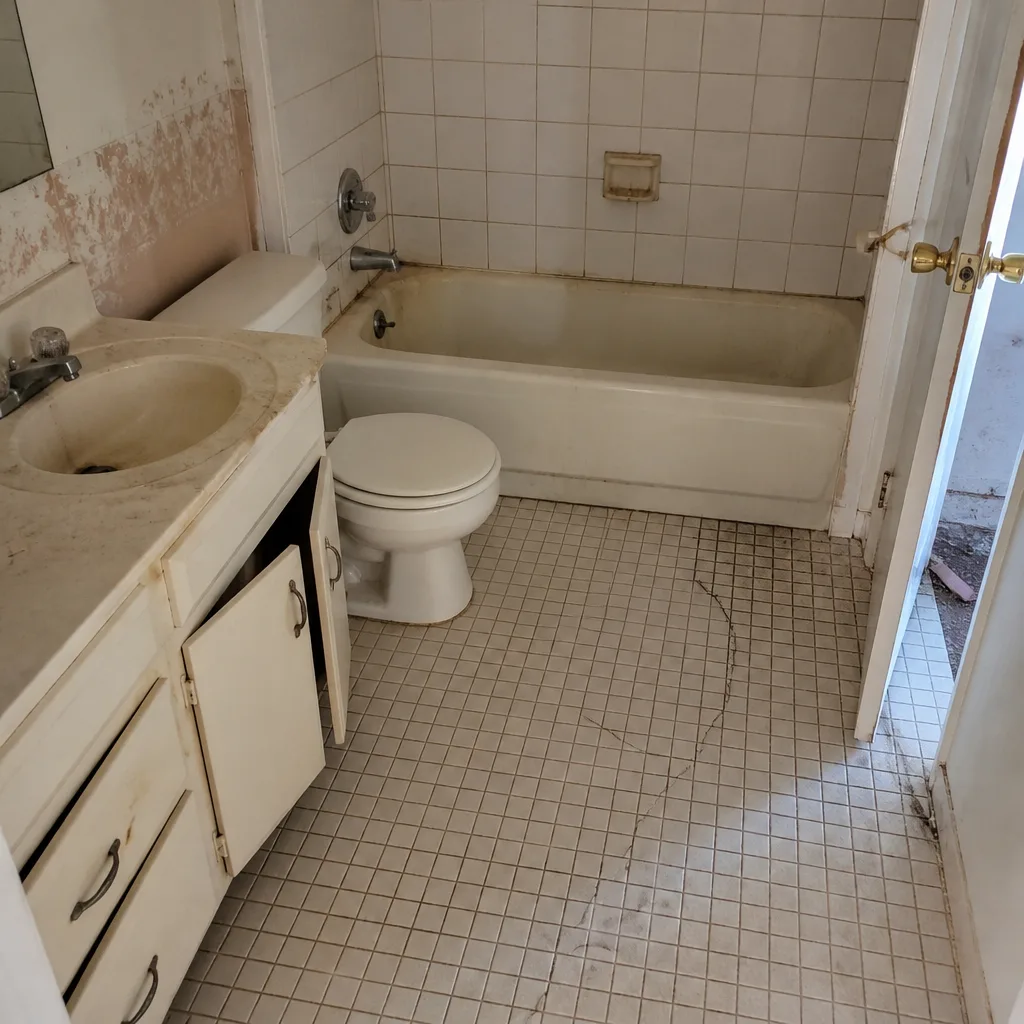 Before
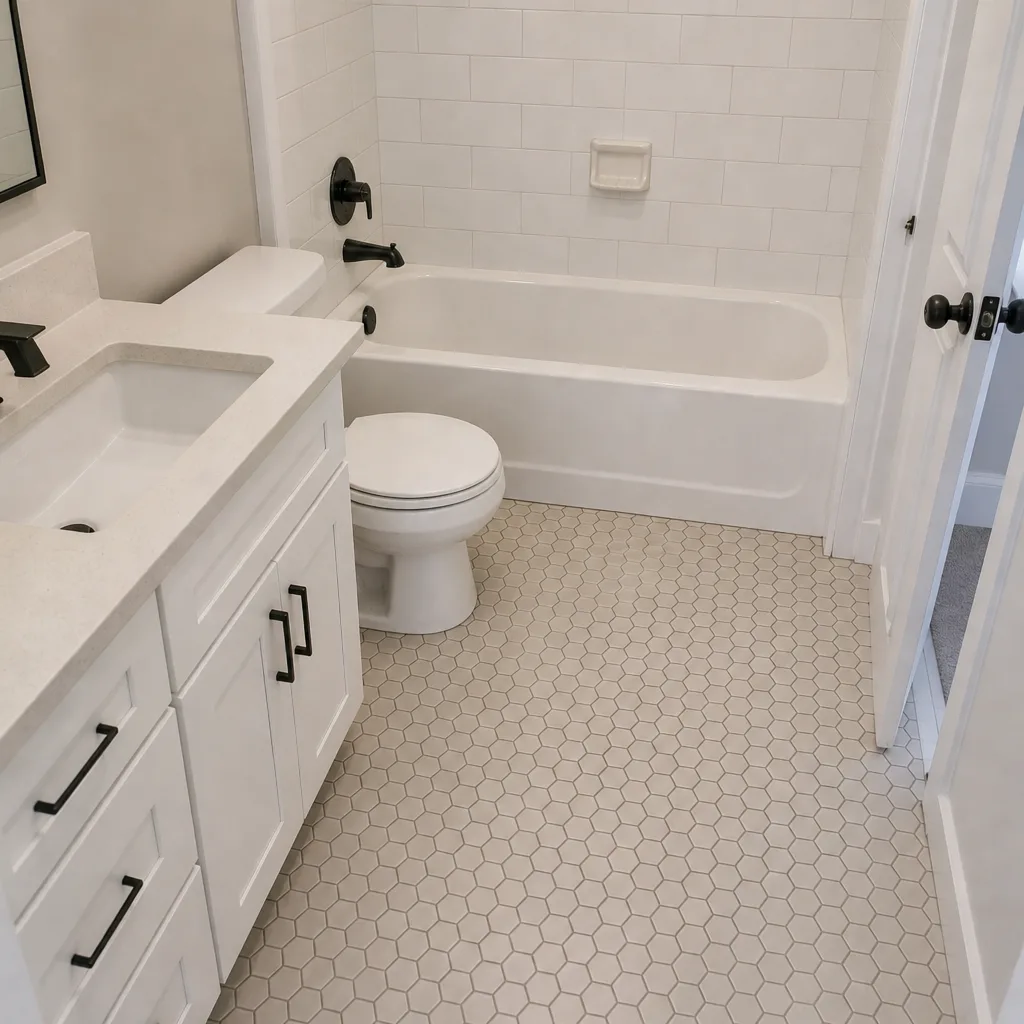 After
 Before
 After
 Before
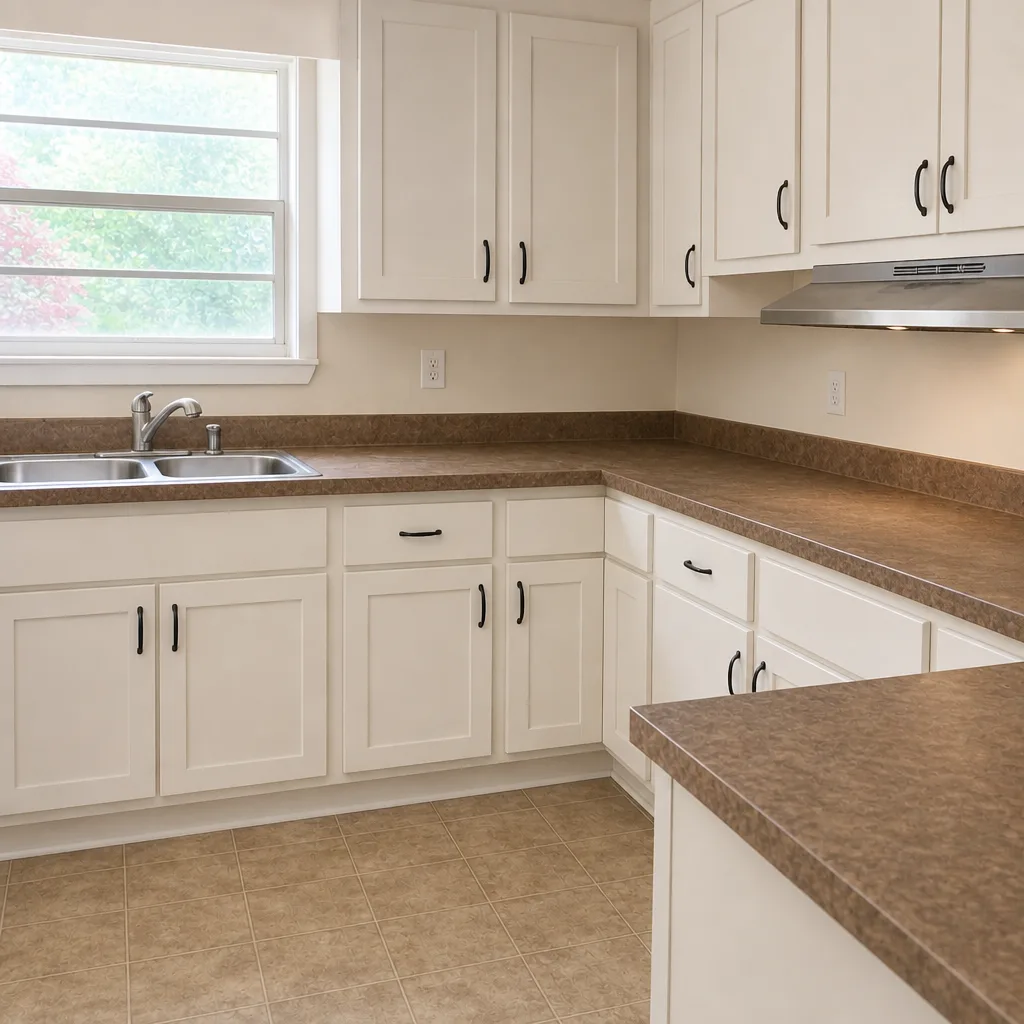 After
When to Call a Professional
Some work belongs in a homeowner’s hands: swapping a faucet, painting an interior wall, replacing a light fixture with the breaker off. Other work belongs with a licensed tradesperson, and the line is clearer than most people think. Anything structural, anything involving the roof at height, anything that requires a permit, and anything where a failure means water intrusion or injury should go to a professional. Electrical and gas work falls squarely in that category – it’s genuinely dangerous and shouldn’t be attempted solo.
In Allen, the projects that most often need a contractor rather than a handyman are roof replacements, window and door replacements, garage conversions and ADUs, and anything that moves plumbing or walls. If you’re unsure whether your project crosses that line, ask the city’s building department before you buy materials.
Whitman Contractors offers free estimates in Allen – call (844) 320-7445 to schedule yours. We answer 24/7, with fast dispatch from 7am to 7pm, Sunday through Friday.
Frequently Asked Questions
A typical roof replacement in Allen runs $14,000 to $28,000, depending on material tier, roof complexity, and whether decking needs replacement. Architectural shingles sit at the accessible end and premium systems push higher. Call (844) 320-7445 for a free written quote – estimates are free.
Allen costs run roughly 15% to 25% above national averages because of Collin County permit fees, North Texas disposal rates, strong local labor demand, and travel premiums for specialty trades. None of these are padding – they’re the real cost structure of building in this market.
Your written estimate sets the price, and a well-built bid shouldn’t move unless something genuinely unforeseeable turns up, like hidden decking rot or a substrate that fails inspection. Fair contracts explain how changes get priced and approved in writing. Ask that question before you sign.
Yes – permits and inspections are part of a properly scoped Allen project, and they should appear as line items in your bid. Permits protect you at resale and ensure the work gets inspected. A quote that skips them isn’t saving you money.
A mid-cycle renovation keeps the existing footprint – new finishes, same walls. A scope-change project moves plumbing, walls, or adds square footage, which triggers a fuller permit review and higher total cost. Knowing which one you’re planning changes the budget significantly.
Lock roofing, windows, and metal products first – those are the categories still moving on pricing and lead times in 2026. Cabinets, countertops, plumbing fixtures, and pavers are largely normalized, so you have room to make careful choices there.
The Bottom Line
Construction in Allen costs what it costs here, not what it costs anywhere else. Expect 15% to 25% above national averages across most categories, driven by permit fees, disposal, labor demand, and specialty trade travel. Lock roofing and window pricing early. Read every bid line by line, and make sure permits, disposal, substrate allowance, and finish trim are all accounted for. Those four omissions explain most budget surprises. A thorough bid may look higher on paper, and it’s almost always the more honest number. One contractor across every phase – roof, windows, kitchen, bath, driveway, fence, and additions – keeps the scope accountable from start to finish.
Call (844) 320-7445 for a free estimate. We answer 24/7, with fast dispatch from 7am to 7pm, Sunday through Friday.
Written by the team at Whitman Contractors.