
Last updated November 17, 2026
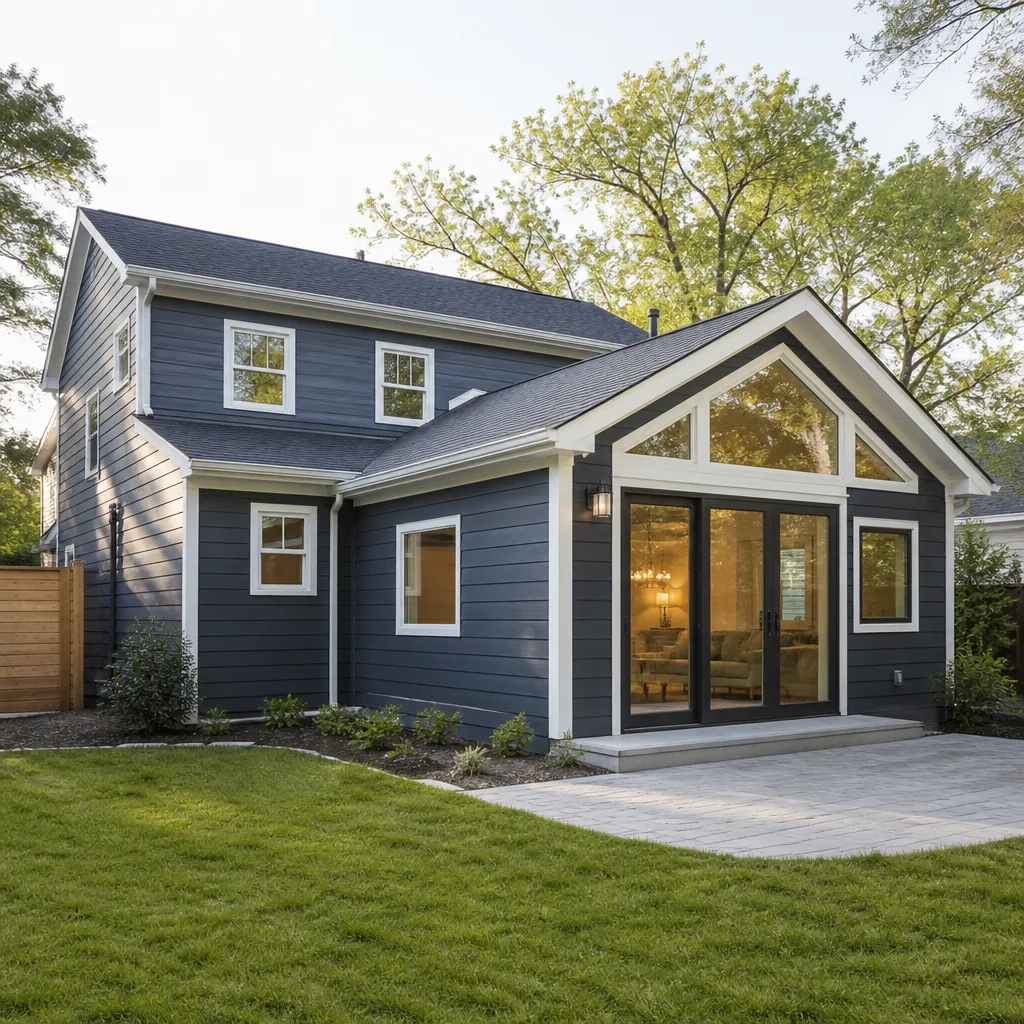 Home additions & ADU
 Kitchen remodeling
 Bathroom remodeling
 Roofing
 Windows & doors
 Driveway & pavers
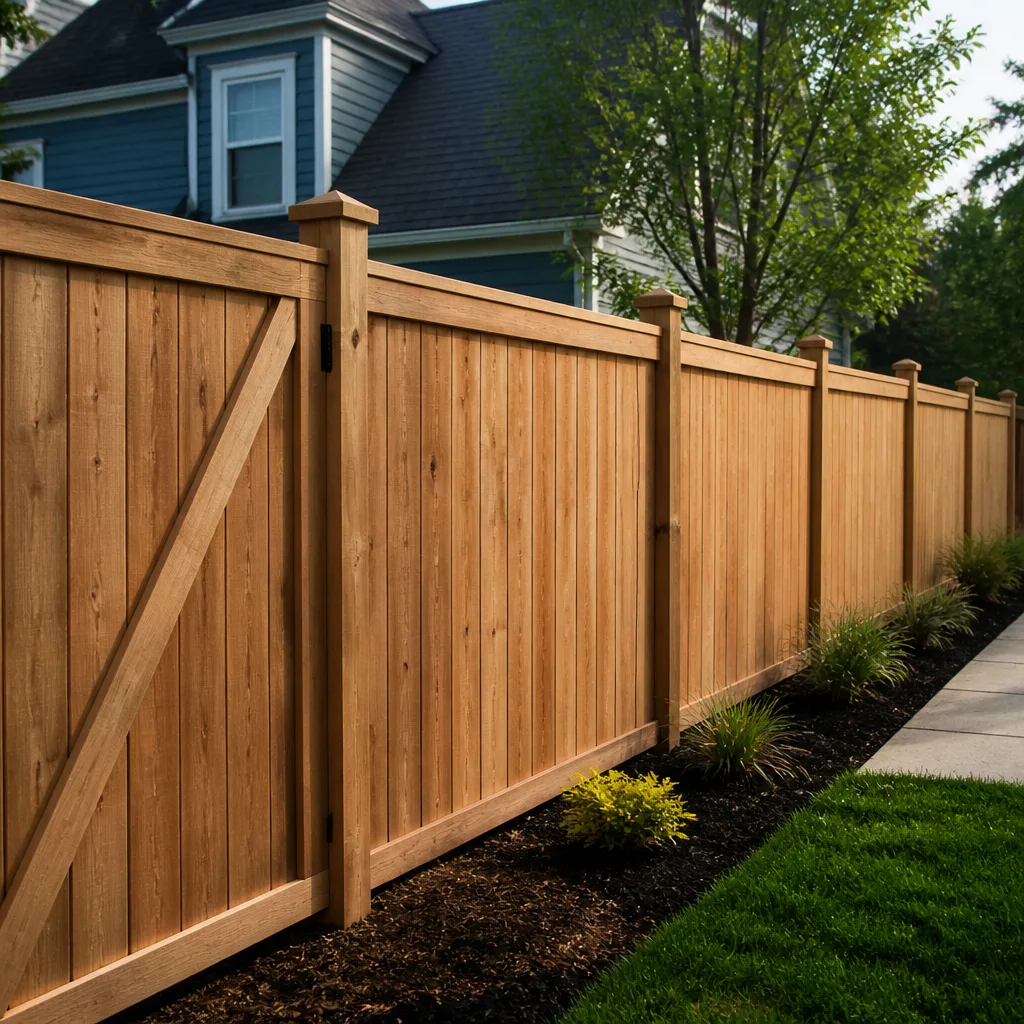 Fence
Free written scope consultation - allowances, timeline, and change-order rules on paper before a single trade is scheduled
Construction Emergency Preparedness Guide for Allen Homes
Most Allen homeowners treat storm damage as something to figure out after it happens. The ones who recover fastest do the opposite. They build a small file of photos and paperwork before a storm ever forms, and they know which contractor they’d call before the first shingle lands in the yard. After Allen’s April 2023 hail event, homeowners with an existing contractor relationship were back to normal far sooner than those starting from scratch, who waited roughly 11 weeks just to get a licensed roofer on-site. This guide walks through the documentation you should keep, the storm calendar that matters here, how to triage damage in the right order, and how to spot storm-chasers before they knock. Read it now, when the weather is quiet.
Quick Answer
Construction emergency preparedness for an Allen home means three things: a dated photo baseline of your roof, siding, and windows stored somewhere cloud-based; a pre-vetted contractor you’ve already spoken with; and a short storm calendar that tells you when to inspect. Homes with that baseline and relationship file cleaner insurance claims and get repairs scheduled faster than homes that wait for damage to start the paperwork from zero.
Styles & brands we work with
- Kitchen remodeling
- Bathroom remodeling
- Home additions & ADU
- Roofing
- Windows & doors
- Driveway & pavers
- Fence
Table of Contents
- Why Preparation Beats Reaction in Allen
- The Pre-Storm Documentation Protocol
- Allen’s Storm Risk Calendar
- Emergency Triage After Hail or Wind
- How to Spot Storm-Chaser Contractors
- Temporary Protection You Can Do Safely
- Building a Contractor Relationship Before You Need One
- Working With Your Insurance Adjuster
Why Preparation Beats Reaction in Allen
When a bad hail or wind event hits north Texas, it doesn’t hit one house. It hits an entire region at once, and every roofer within a few hundred miles heads toward the damage. That’s the real emergency: not the missing shingles, but the scramble for a qualified contractor while thousands of your neighbors are doing the same thing. The preparation that counts in Allen isn’t sandbags. It’s paperwork and a phone number.
There’s a second reason to plan ahead. Insurance claims are decided on evidence, and the strongest evidence is a photo of your roof or windows taken before the damage, with a date attached. When you can show an adjuster “here’s the condition in January, here’s the condition in May,” the conversation moves quickly. Without it, you’re arguing about what “was already like that” and what wasn’t, and that argument costs time and sometimes money.
We’ve watched this pattern play out across the Allen area for years, and the difference between a smooth recovery and a frustrating one usually comes down to work that got done months earlier. It’s not glamorous, but it’s the highest-return ten minutes a homeowner can spend on their property this season. Our technicians have up to 13 years of experience, and most of the hard lessons they’ve learned weren’t about installing anything. They were about documentation that didn’t exist when someone needed it.
One more thing worth saying plainly: this guide is about preparedness, not panic. You don’t need to become a storm expert. You need a folder, a few photos, and a plan you can pull out the moment you need it.
The Pre-Storm Documentation Protocol
The single most valuable thing you can do before storm season is build a dated photo and document baseline of your home’s exterior. It takes roughly thirty to forty minutes and it will help you more than any last-minute scramble ever could. Here’s how we recommend Allen homeowners do it.
- Photograph the roof from multiple angles. You don’t need to climb up there. Take wide shots from the ground on each side of the house, zoom in on ridge lines, valleys, and any visible flashing. Date and label each shot.
- Photograph all four elevations. Siding, brick, window frames, and any cladding get wide shots and close-ups of anything already weathered.
- Capture windows and doors individually. A single photo per window, showing frame condition and any existing crack or seal issue. If you have Therma-Tru or similar entry doors, note the model on your document sheet.
- Shoot fences, gutters, and the driveway. Hail and wind hit these too, and a fence that was already leaning is easy to document before the storm.
- Photograph outbuildings, detached garages, and any ADU or addition. Anything with a roof and walls belongs in the file.
- Write a one-page inventory. List roof age (if you know it), window and door brands, and any recent repairs. Note the date of your last exterior inspection.
- Store everything in the cloud. Not on a phone that lives in a drawer, not on a hard drive in the same room. Email the folder to yourself or upload it somewhere you can reach from anywhere.
Re-do the whole set once a year, or any time you finish a major project like a new roof or home additions & ADU work. A fresh baseline makes the next claim even cleaner. Keep the file short and searchable so you aren’t scrolling through hundreds of photo duplicates in the middle of a stressful week.
The reason this matters so much: photos taken after damage are significantly weaker evidence than photos taken before. An adjuster looking at a broken window that was already chipped has no way to tell which came first, and a fresh, dated baseline answers that question for them.
Allen’s Storm Risk Calendar
Allen sees two distinct storm patterns that cause most exterior construction damage, and knowing when they land tells you exactly when to schedule an inspection. This is the calendar we use when advising homeowners in our area.
Spring: Hail and Supercell Thunderstorms
April and May are peak hail season in north Texas. These come from strong supercell storms that can drop significant hail over a small area, which is why one Allen neighborhood can get hit hard while another stays mostly clear. Roofs, gutters, gutters’ downspouts, and window frames absorb the brunt. If you’re going to schedule a pre-season roof inspection, aim for early spring so you have a fresh report before the first big event.
Summer: Straight-Line Wind Events
June through August brings the wind threats. Straight-line wind events can gust high enough to lift ridge caps, peel siding, and topple fences. Wind damage is often less dramatic-looking than hail but more likely to hide. A fence that’s still standing may have posts that are leaning or splintered at the base, and once the grass grows up around it, you may not notice until the next storm finishes the job.
Winter: Ice Loading
February brings ice events to the Allen area. Ice weighs down tree limbs and rooflines, and older, already-weathered roofs are the first to show stress. Ice events are a good trigger for a post-winter roofing inspection before spring hits.
Roughly, that gives you three inspection windows: a pre-spring roof check, a post-summer exterior walkaround, and a post-winter roof and gutter look. Scheduling them proactively means you’re always working from current information instead of waiting for a storm to make the decision for you. When the next big storm hits, the Allen homeowner with a recent inspection report is already three steps ahead of their neighbor who’s calling for the first time.
Emergency Triage After Hail or Wind
If a storm just rolled through, walk your property once, calmly, and assess in a specific order. The sequence matters because it drives what you say to your contractor and your adjuster, and getting the story right the first time saves weeks. Here’s the order we recommend.
- Roof first. From the ground, look for missing shingles, dented ridge caps, and debris on the roof. If you can safely see the gutters from a ladder placed on level ground, check for granule accumulation, which indicates shingle wear.
- Gutters and downspouts next. Look for dents, sagging runs, and any downspout that’s pulled loose from the fascia. Hail dents gutters quickly and it’s one of the more reliable signs that hail hit your roof too.
- Windows and doors. Check for cracked glass, broken seals (fogging between panes), and damage to frames or screens. Look at entry doors and any sliders. Note each window by room so your record is clear.
- Siding and cladding. Walk the four sides and note dents, cracks, or lifting. Brick and stone will usually tell you quickly; vinyl siding may hide damage behind a face.
- Fencing and detached structures. Leaning posts, cracked panels, and shifted gates belong in your notes, along with outbuildings and any ADU on the property.
As you go, photograph everything and timestamp the shots. Then write down what you saw in plain language: which side of the house, which windows, which sections of fence. That written record is what you’ll hand to your contractor and reference when you call your insurer. When you talk to your adjuster, having the sequence and the specifics ready makes the whole conversation shorter and clearer.
The temptation is to focus on the most visible damage and skip the rest. Don’t. A homeowner who documents all five areas at once files a complete claim, and the contractor knows exactly what to bring. If your fence installation posts took a hit, mention that at the same time as the roof so the repair can be scoped in one pass.
How to Spot Storm-Chaser Contractors
After a major storm, out-of-area contractors flood into Allen within days, knocking on doors and offering to “help with your insurance claim.” Some are legitimate; many aren’t. The signs that separate a storm-chaser from a contractor you can actually hold accountable are usually visible in the first conversation.
- They want to handle your entire claim for you. A local contractor inspects and gives you a detailed scope of work. A storm-chaser pushes to talk to your adjuster themselves and steer the settlement. That’s a red flag because it removes your control over the process.
- No verifiable local reference. Ask for two recent customers in the area you can call. A contractor with real roots can provide them; a storm-chaser may have flown in last week and have none.
- Pressure to sign today. Any urgency beyond the actual urgency is a warning. If someone demands a signed contract with a deductible-specific financial arrangement, walk away.
- Vague product and brand names. Ask what they’ll install. A serious roofer names their systems (GAF, CertainTeed, Owens Corning, and similar). Vague answers usually mean an unknown supplier and unsupported warranty.
- No verifiable license or insurance documentation on request. A professional contractor will hand over their credentials on request. A storm-chaser often has trouble producing them.
- Cash-only pressure and odd payment schedules. Large deposits before work begins, especially cash, are a warning. A legitimate contractor works from a written estimate and reasonable payment milestones.
One of the strongest protections is having a contractor relationship already in place before the storm. When you’re deciding who to call on a quiet Saturday in February, you’re making that choice with time and options. When you’re deciding in a rush after a hail event, you’re not really choosing; you’re reacting.
Temporary Protection You Can Do Safely
Some temporary protection is safe for a homeowner to do, and some of it can cause problems. The line is mostly about heights and about anything that touches the roof itself. Here’s how we break it down.
Generally Safe for Homeowners
- Moving furniture, electronics, and valuables away from any area with an active leak.
- Placing buckets under drips and photographing them, which documents the leak location for your contractor.
- Clearing your gutters of large debris from a ladder you can stand firmly on, at ground level, while someone else is home.
- Closing and latching windows and doors, and checking that weatherstripping is intact.
- Turning off irrigation or shutting off water to any exterior spigot that’s leaking.
Risky, and Sometimes Coverage-Endangering
Anything on the roof itself is different. Tarping looks simple and isn’t; a fall from roof height is a serious injury, and a tarp installed incorrectly can trap moisture, conceal damage from your adjuster, or fail the moment the next gust hits. What’s more, a well-intended repair attempt can complicate an insurance claim if it changes the appearance of the damage or the affected surface. Insurance policies vary, so before you touch anything above ground level, call your carrier and ask what’s covered. In most cases the right move is to call a professional and let them do the temporary protection properly.
The same logic applies to windows. If a pane is cracked, don’t tape it up and hope for the best. Call your insurer, note the damage, and get a contractor out to assess. For a broken window or damaged frame, a pro can confirm whether the glass itself needs replacement (a product like Mr-Glass or ViewLux, for example, in the right spec) or whether a temporary board-up is smarter until the claim is processed.
Most cities require a permit for structural repairs of any kind, so ask your city’s building department before any permanent work begins. Temporary measures are one thing; permanent repair is a job for a licensed contractor with the permit in hand.
Building a Contractor Relationship Before You Need One
The Allen homeowner who recovers fastest is usually the one who already has a contractor’s number saved. Not because they signed a contract years ago, but because they had a conversation, got an inspection, and learned what condition their home was actually in. That relationship pays off exactly when a storm hits.
Here’s a practical way to build it:
- Get one pre-season inspection. A roofing and exterior walkaround once a year gives you a current condition report and a list of small fixes before they become large ones.
- Know who you’d call for each surface. Roof, windows, siding, fencing, driveway. If those are one name, even better, because one point of contact makes the claim story cleaner.
- Ask about their process ahead of time. How do they document damage? What brands do they install? What’s their inspection and estimating process? You want to know this before a storm, not during one.
- Keep the estimate and inspection report in the same cloud folder as your photo baseline. One file, one place, one searchable history of your home.
This is where single-contractor coverage genuinely changes the recovery. Whitman Contractors works across all the exterior surfaces a storm touches, from driveway & pavers to roofing, windows, and fencing, so one estimate can cover a full scope. The brands we install span the range you’d expect: GAF, CertainTeed, and Owens Corning roofing systems; Therma-Tru entry doors and windows from PGT, CGI, and ECO Window Systems; fencing from Barrette and Master Halco; hardscape from Belgard and Unilock. When the claim includes multiple surfaces, one accountable contractor is far easier to coordinate than four specialists who’ve never met.
You can start that relationship now, before you need it. Call to schedule a pre-season inspection and see how it goes. That’s the test.
Working With Your Insurance Adjuster
Your adjuster is not the enemy and not your contractor’s friend. They’re an evaluator working from evidence. The way to make their job easy is to hand them organized evidence: your pre-storm photos, your damage photos with timestamps, and a written summary from your contractor describing the scope of repair.
The ideal flow after a storm looks like this:
- File the claim early. Even before you’ve had a contractor out, open the claim. It sets the timeline running and assigns your adjuster.
- Do your own documented walkthrough. Use the triage sequence earlier in this guide. Photograph everything, note everything, and store it in the cloud.
- Have your contractor produce a written scope. This is the key document. It lists what’s damaged, what the repair involves, and what materials will be used. A written, line-item scope is what a good adjuster can actually work with.
- Be present for the adjuster visit if you can. Having your contractor and your adjuster in the same conversation prevents the back-and-forth of “they said” and “you said.”
- Ask about the process and timeline in writing. When will the adjustment be issued? When can work begin? Get the answers documented.
We can work with your insurer to coordinate the scope and documentation, but the claim decision stays with your carrier. That’s how it should work. Your job is to keep the evidence organized and your job is to push for clarity when the process drags. A recent exterior inspection report and a pre-storm photo baseline do most of the heavy lifting for you.
Common Mistakes to Avoid
- Waiting until after the storm to take any photos. The strongest evidence is a dated photo taken before damage ever occurred, not one taken in the aftermath when an adjuster can’t tell what was already there.
- Signing with the first contractor who knocks. Allen after a big event means dozens of out-of-area contractors in town within days. Slowing down, checking references, and confirming they’re a real local presence is worth a few extra hours.
- Climbing on the roof to “check things yourself.” Roof falls are the single most avoidable injury in this whole process. Let the contractor go up. Your job is ground-level documentation.
- Covering damage before it’s documented. A tarp or covered window that goes up before photos are taken makes an adjuster’s job harder, not easier. Document first, protect second.
- Skipping the pre-season inspection. A small roof issue caught in March is a cheap repair. The same issue caught after a May hail event is a bigger claim and a longer wait.
- Treating the storm calendar as a curiosity. The Allen area’s hail, wind, and ice seasons don’t move. Planning inspections around them is the cheapest insurance you can buy.
- Filing a claim without a written scope from your contractor. An adjuster works best with a clear, line-item document describing the repair. Without one, the conversation can drag for weeks.
See the difference
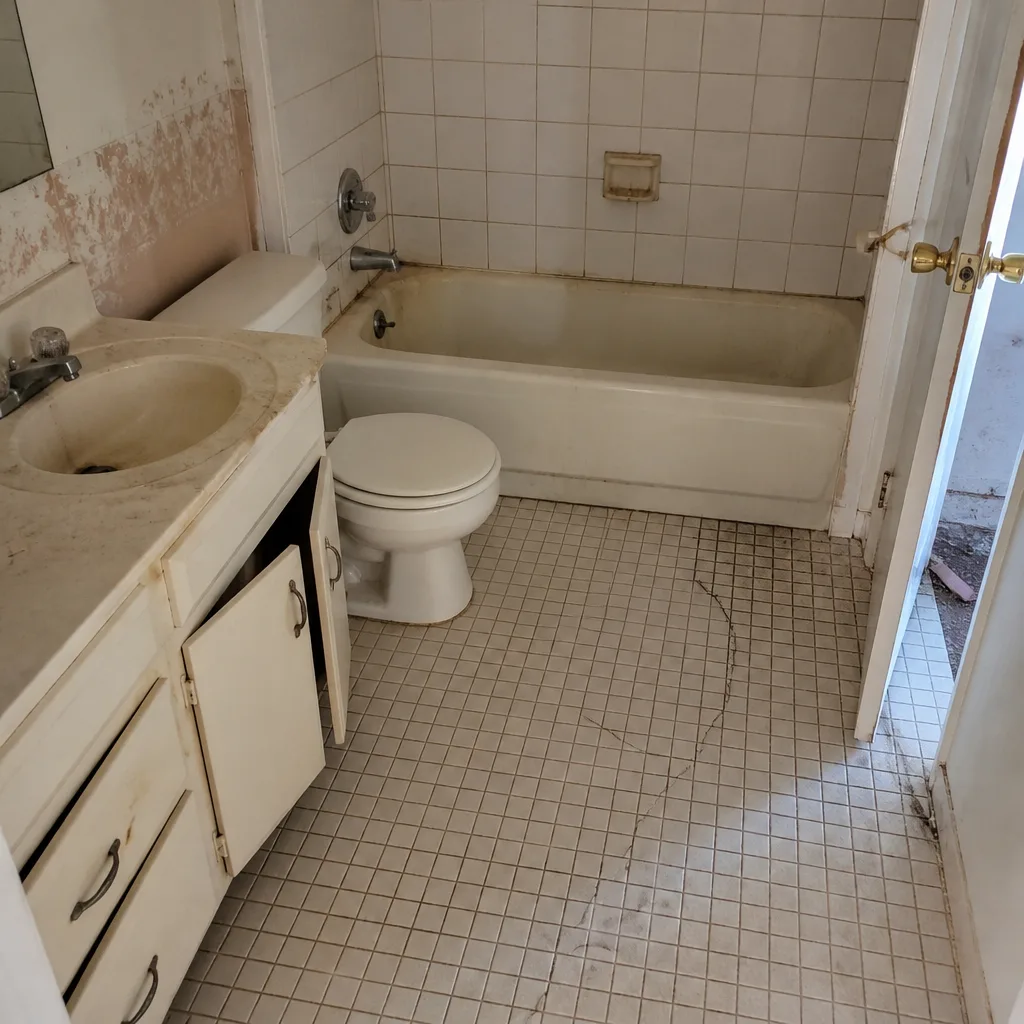 Before
 After
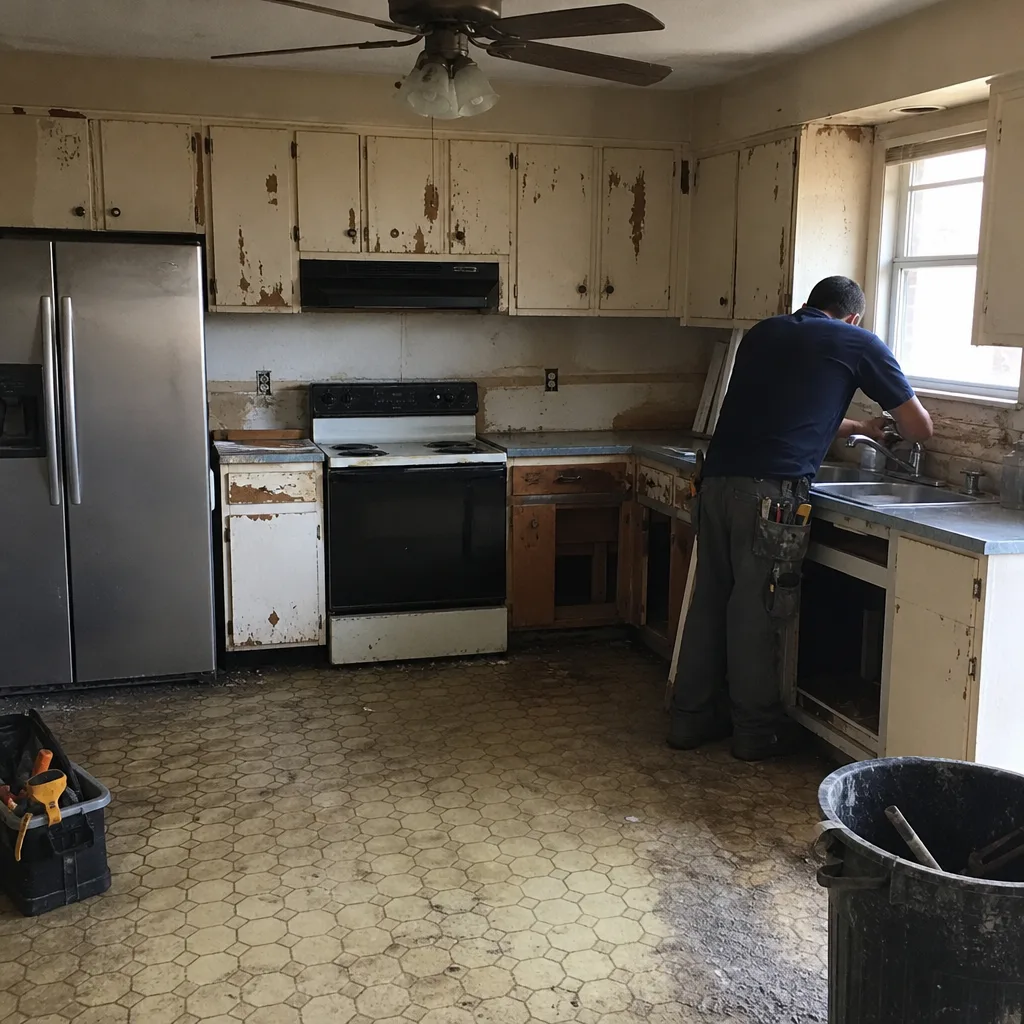 Before
 After
 Before
 After
When to Call a Professional
Some situations call for a phone call rather than a project plan. If your roof is actively leaking, if a large limb has made contact with the roof or a window, if any pane of glass is cracked or broken, if your fence has fallen into a neighbor’s yard, or if you see sagging or a change in how a wall or ceiling line looks, those are same-day calls. If a piece of exterior cladding is loose and could become airborne in the next gust, that’s a call. And if it’s been more than a year since anyone’s looked at your roof, siding, or windows, a proactive inspection is worth scheduling now.
Whitman Contractors offers free estimates in Allen. You don’t need to know the exact scope to call; that’s what the inspection is for. If you’ve just had a storm, bring your photos and your notes. If you haven’t, call and set up the baseline before the next weather event does the deciding for you. Either way, we’d rather hear from you on a quiet week.
Frequently Asked Questions
Take dated photos of your roof, windows, siding, fence, and driveway; store them in the cloud; schedule one pre-season exterior inspection; and have a contractor you already know how to reach. Those three steps do more for a quick recovery than any post-storm scramble. The photo baseline is the piece most homeowners skip, and it’s the one that matters most when a claim is filed. Call (844) 320-7445 to set up a pre-season inspection; estimates are free.
Hail season in the Allen area runs mostly through April and May, driven by spring supercell storms. Those are the events that dent gutters, chip shingles, and damage window frames, and they can be localized so one neighborhood gets hit hard while another stays clear. Schedule a pre-season roof inspection in early spring so you have a current condition report before the season starts. Call (844) 320-7445 to book it; estimates are free.
Photograph the roof from the ground on all sides, all four elevations of the house, each window and door, the fence, gutters, driveway, and any detached structures or additions. Write a one-page inventory of roof age, product brands, and recent repairs, then store the whole file in the cloud. Post-damage photos are weaker evidence than a dated pre-storm baseline. Call (844) 320-7445 if you want a contractor’s eyes on the same set; estimates are free.
Look for out-of-town plates, an insistence on handling your entire insurance claim, no verifiable local references, pressure to sign a contract the same day, and vague answers about which roofing system they’ll install. A legitimately local contractor inspects, gives you a written scope, and names the products. Slow down before you sign, and call (844) 320-7445 for a second opinion; estimates are free.
We don’t recommend it. A fall from roof height is the most serious and most avoidable injury in the whole disaster-recovery process, and a tarp installed incorrectly can trap moisture and complicate your claim. Call your insurer, document the damage, and let a professional handle the temporary protection. Call (844) 320-7445; we’ll assess the damage and produce a written scope for your adjuster. Estimates are free.
Walk your property once and document in this order: roof, gutters, windows and doors, siding, then fencing and detached structures. Photograph everything with timestamps, write a plain-language summary, and open your insurance claim early even if you haven’t had a contractor out yet. Then get a written scope from your contractor before your adjuster visit. Call (844) 320-7445 to schedule the assessment; estimates are free. We answer 24/7. Fast dispatch from 7am to 7pm, Sunday through Friday.
The Bottom Line
Construction emergency preparedness in Allen is mostly a paperwork exercise done on a quiet week. Build a dated photo baseline of your roof, windows, siding, fence, and driveway. Store it in the cloud. Schedule one pre-season inspection each spring, one exterior walkaround each fall, and one post-winter roof check in February. When a storm does hit, assess in the right order (roof, gutters, windows, siding, fence), document everything, and file your claim early. Then hand your contractor a written scope before your adjuster visit. The homeowner who does all of that recovers faster and with fewer arguments than the one who starts from zero after the first hail.
Whether you need one surface repaired or the entire exterior envelope, Whitman Contractors covers the full scope from the driveway to the ridge line: roofing, windows and doors, fencing, hardscape, kitchen and bath, and additions with modern prefab partners including Abodu, Dvele, Mighty Buildings, and Plant Prefab. One contractor, every phase. If it’s time to build the baseline before the next storm, call (844) 320-7445 to schedule your free estimate. We answer 24/7. Fast dispatch from 7am to 7pm, Sunday through Friday.
Written by the team at Whitman Contractors.