
Last updated November 17, 2026
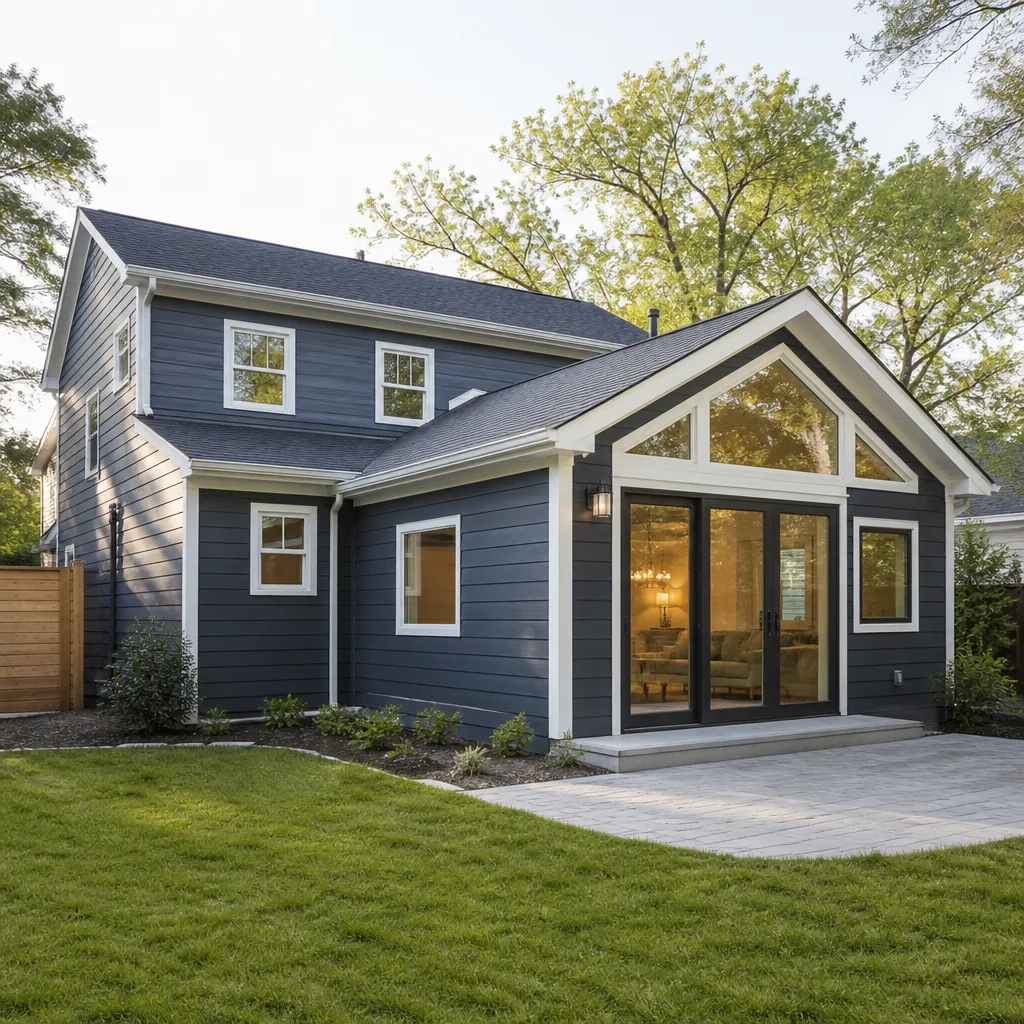 Home additions & ADU
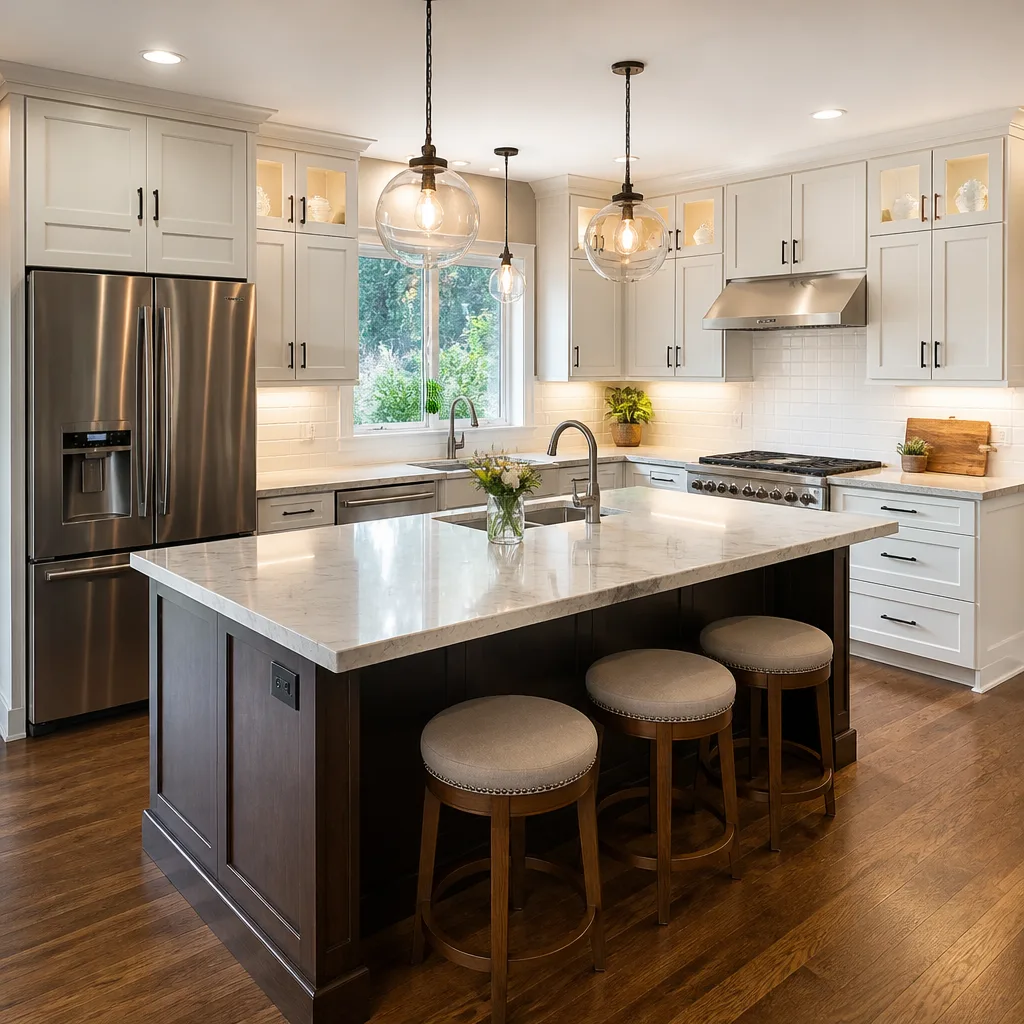 Kitchen remodeling
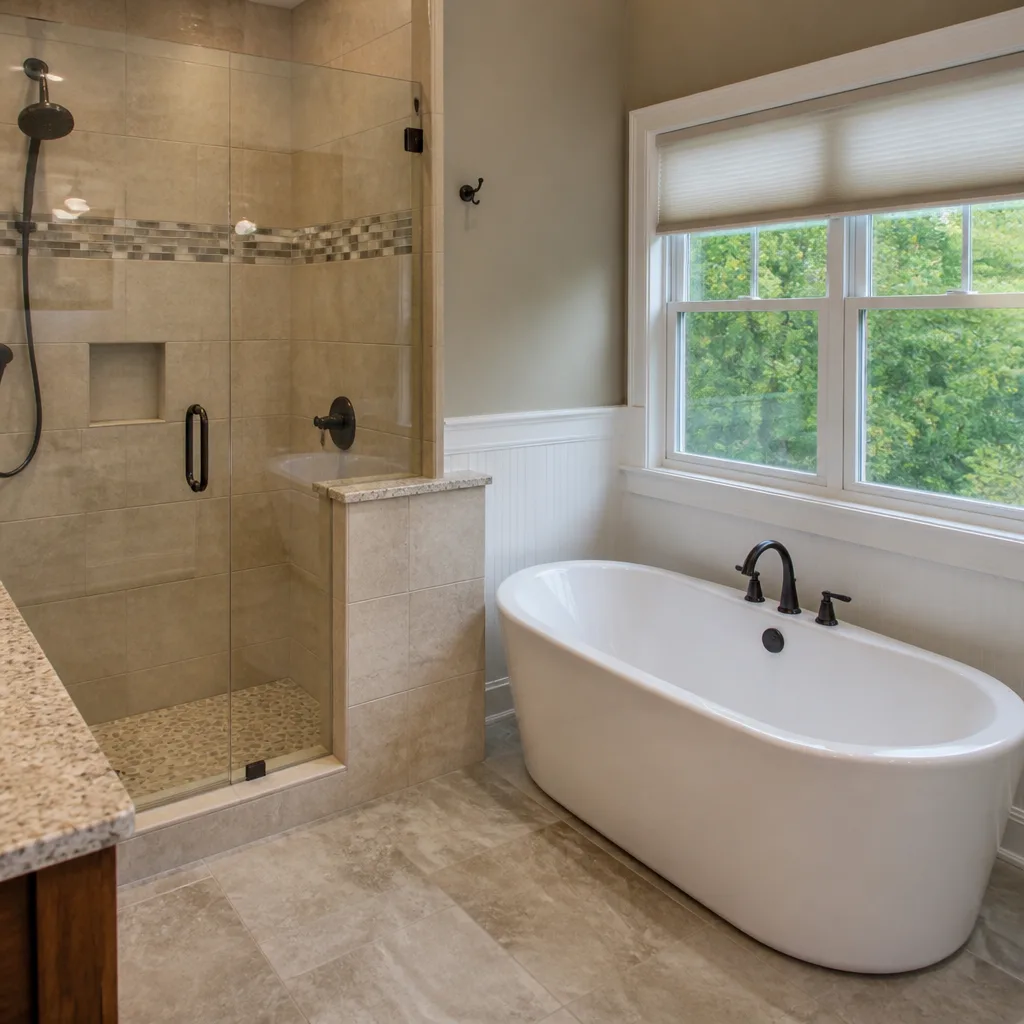 Bathroom remodeling
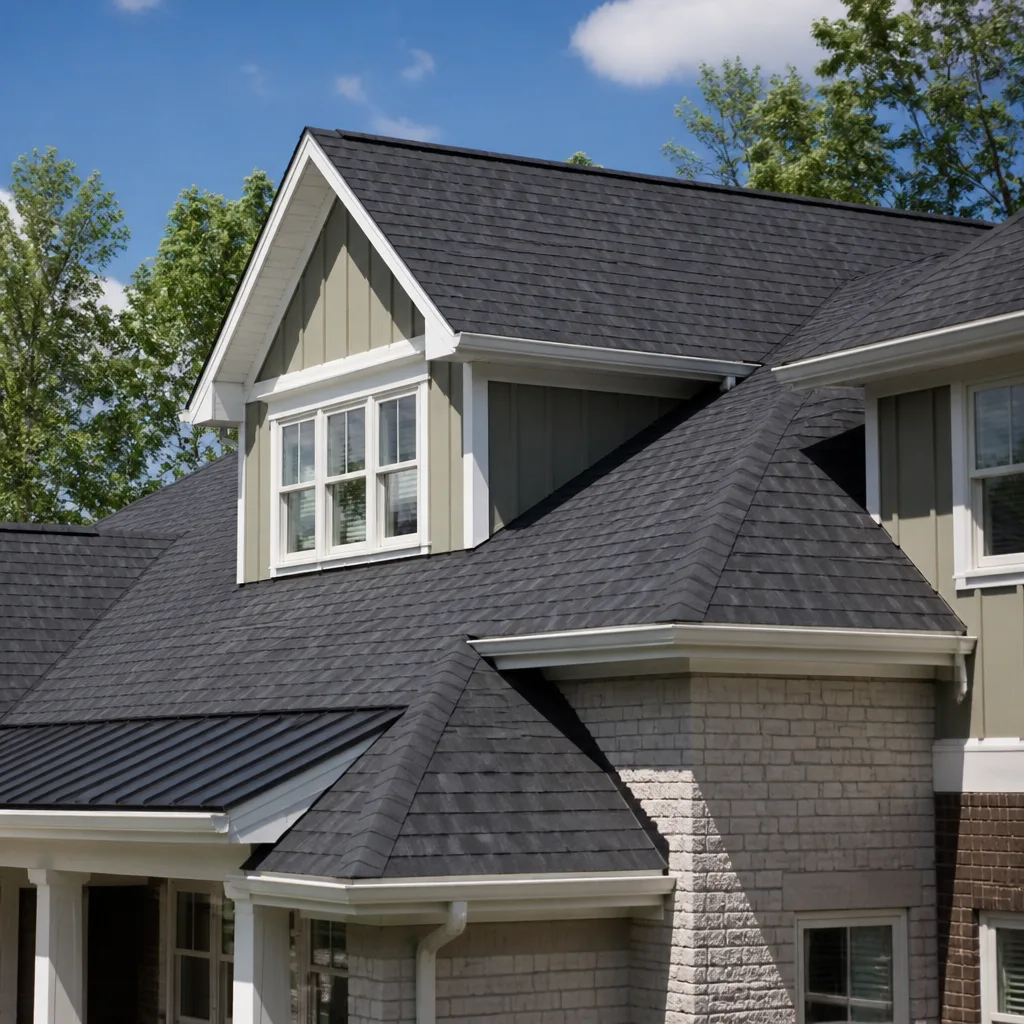 Roofing
 Windows & doors
 Driveway & pavers
 Fence
Free written scope consultation - allowances, timeline, and change-order rules on paper before a single trade is scheduled
DIY vs Professional Construction: The Allen Homeowner’s Decision Guide
In Texas, you’re allowed to pull your own building permit and do a lot of work on your own house. That legal fact trips up more Allen homeowners than any other single thing we run into. Because doing it yourself is one thing. Owning the consequences of it when you sell, when a storm hits, or when your insurer asks who did the work is another. This guide isn’t here to tell you that professionals do everything better. Plenty of work around an Allen house is reasonable to do yourself. We want to give you a clear way to sort the low-risk home projects from the ones where a failed attempt costs more than paying a professional from the start, and we’ve done enough of both sides of that conversation to know where the line usually falls.
Quick Answer
DIY construction in Allen makes sense for surface-level, finish-and-cosmetic work like painting, landscaping, minor fence repair, and swapping a faucet, where no permit is required and a failure is cheap to fix. It does not make sense for anything that needs a city inspection, affects your roof or structural envelope, changes your home’s footprint, or alters a system your homeowner’s insurance and manufacturer warranties rely on. For those projects, the professional isn’t a luxury. It’s often the only way to keep the work insurable, warrantable, and sellable.
Styles & brands we work with
- Kitchen remodeling
- Bathroom remodeling
- Home additions & ADU
- Roofing
- Windows & doors
- Driveway & pavers
- Fence
Table of Contents
- Why “Cost Savings” Is the Wrong Frame in Allen
- Projects in Allen Where DIY Is Genuinely Low-Risk
- Projects Where Permits and Warranties Make DIY a Bad Bet
- The Skill-Level Checklist: Task by Task, Not “Beginner” vs “Advanced”
- The Insurance Gap Nobody Explains to Texas Homeowners
- How to Calculate the True Cost of DIY vs Hiring
- The Hybrid Model: DIY the Phases That Don’t Need a Pro
- HOA Rules, Allen Climate, and the Details That Catch People
Why “Cost Savings” Is the Wrong Frame in Allen
Almost every DIY-versus-pro article starts with a cost comparison. That framing gets you to the wrong conclusion on the wrong projects. For a kitchen remodel, a new roof, or a bathroom renovation in Allen, what you’re really deciding isn’t just who swings the hammer. It’s who carries the risk when the work fails, when it fails inspection, or when it comes up during a sale. And that risk lands on you, the homeowner, no matter who did the labor.
Think about how real estate actually works in Allen. A buyer’s inspector is going to look at your roof, your electrical panel, your plumbing rough-in, and any addition. If a permit was pulled and the inspection passed, that’s a paper trail that makes the transaction smooth. If the work was done by you with no permit, or done by an unlicensed handyman, that’s a disclosed item. In a competitive market it kills deals. In a soft market it re-prices them.
So the useful question is: on this specific project, how much risk am I transferring to myself by doing it, and is the savings worth taking that risk? Compare the two paths this way:
- Cheapest path: DIY with no permit, no warranty, no inspection. Great until something goes wrong.
- Middle path: DIY with the correct permits and inspections. Legal and insurable, but slower and more paperwork than most homeowners expect.
- Professional path: Licensed trade, permit pulled, inspection passed, workmanship warranty in writing, manufacturer warranty intact.
Allen is full of homes built in the 1990s and 2000s now reaching the age where their first major roof or envelope work is due. That’s exactly the moment the risk-transfer question matters most. Save $4,000 on a self-installed roof and you may have created a $12,000 negotiating chip for the next buyer. On a repaint of a bedroom, none of this applies. The entire guide is about figuring out which of those two situations you’re in.
Projects in Allen Where DIY Is Genuinely Low-Risk
We’re not going to pretend every job needs a contractor. A lot of finish and cosmetic work around an Allen house can be done yourself without any outsized risk, and doing so frees up money for the projects where the stakes are higher. What makes these low-risk is the combination of three things: no permit required, a failure is visible and cheap to correct, and no label, insurer, or inspector has to sign off on it.
Work we’d call genuinely reasonable to DIY:
- Painting interior walls and ceilings. Buyer’s remorse aside, a bad paint job is fully reversible with a sanding block and another gallon.
- Landscaping, mulch, sod patching, basic planting. No permit, no trade, no structural or system impact.
- Swapping a faucet or a toilet fill valve on an existing supply line. Accessory-level plumbing work where the connections are already in place.
- Fence board and gate repair on an existing fence – replacing pickets, re-hanging a gate, tightening hardware. Not installing a new fence line.
- Pressure washing the driveway, siding, and patio. Nothing structural, nothing permanent.
- Replacing a light switch, outlet, or fixture on a live circuit only if you’re comfortable and know how to kill the breaker first. Even here, electrical safety is not a place to learn by trial and error.
- Minor caulking, weatherstripping, and touch-up tile grout.
The key test: would a bad result change what your home is worth, what your insurer covers, or whether a future permit inspection passes? If the answer is no, doing it yourself is a perfectly rational call. If any part of the answer is yes, keep reading.
Projects Where Permits and Warranties Make DIY a Bad Bet
A handful of Allen project types put you in high-stakes territory the moment you start, because either the city requires a permit and inspection, or the manufacturer’s warranty is conditioned on certified installation, or your insurer’s coverage depends on the work being documented. When all three are true, DIY is not a cheaper route. It’s a route with an invisible downside.
The high-stakes list in Allen:
- Roof replacement and major roof repair. Permits, inspections, and manufacturer warranties all line up here. Most shingle systems include a warranty that only applies when installed by a certified installer. A self-installed roof may leave you with a materials-only warranty at best, and a written disclosure at resale.
- Anything structural – load-bearing wall changes, beam installation, foundation-level modifications. This is entirely permit-driven and entirely outside the reach of a homeowner to inspect for themselves.
- Home additions and ADUs. A rear addition or accessory dwelling unit touches zoning, setbacks, egress, and multiple trades at once. Allen has real rules about lot coverage and accessory structures, and a lot of the plan review happens before anyone touches a shovel.
- Bathroom and kitchen gut remodels. Once you’re moving plumbing supply lines, drains, or electrical circuits, the work is permit territory and often inspection territory. Even tile and waterproofing decisions ride on which system the installer uses.
- New electrical panels, subpanels, or circuit additions. Honestly dangerous, permitted in Allen, and a common finding in insurance reviews. This is not a DIY category.
- New fence installation and driveway or paver work. A new fence line needs to respect property lines and HOA rules, and a failed driveway installation is a five-figure mistake to undo.
- Window and door replacement. Energy ratings and manufacturer warranties are tied to correct installation; the wrong flashing and sealing causes water intrusion that shows up long after the install.
For exterior envelope categories specifically – roofing, windows and doors, fencing, hardscape – the practical benefit of hiring comes down to who carries the accountability for the whole exterior surface. One contractor, every phase, is easier to hold responsible than a self-managed sequence of trades where each blames the last. Our Whitman Contractors team handles those categories with manufacturer-branded materials in each, so the choice isn’t “the one brand we happen to stock” but a real selection across performance tiers.
The Skill-Level Checklist: Task by Task, Not “Beginner” vs “Advanced”
Labeling yourself “intermediate” as a DIYer is a shortcut that hides the real question. The useful question is task-specific. Instead of rating yourself, rate the task. Go down this checklist for the exact job you’re considering and count the “yes” answers. Three or more “yes” answers is your signal to hire a professional.
- Does this task require a permit from the City of Allen or an inspection? If yes, you’re in permit territory. Pulling a homeowner permit is often legal, but the inspection still has to pass.
- Does a manufacturer warranty apply only if a certified installer does the work? Roofing systems, windows, and major appliances all have this condition.
- Is the failure mode hidden rather than visible? Tile that looks fine but was installed over the wrong substrate, or a roof that sheds water fine in a light rain but leaks at the flashing in a real one – these are the failures that eat money.
- Does a mistake create a safety risk to you or anyone else? High-voltage electrical, gas-line work, roof heights, and structural changes all count. These are categories to leave alone entirely.
- Does the task require a tool you don’t own and probably won’t use again? If the rental cost of a tile saw, scaffold, or concrete mixer is a real number, put it in your cost comparison.
- Will a bad result be visible at resale or on an insurance claim? Roofs, additions, electrical panels, and anything that shows up in a home inspection count.
- Does your HOA have a rule about this exterior change? A lot of Allen neighborhoods regulate fence style, roof color, and front-yard hardscape. Getting the HOA wrong costs you a tear-out.
If none of those seven “yes”, you can realistically DIY the task with confidence. If one “yes”, read the details and decide carefully. Three or more, and the math almost always favors a professional, because the correction cost for a failed inspection or a warranty void far exceeds the labor you saved. Our technicians have up to 13 years of experience in these categories, and the checklist above is essentially the same one we use to decide whether a job is safe to schedule in one pass or needs a plan review.
The Insurance Gap Nobody Explains to Texas Homeowners
Here’s the part that catches Allen homeowners by surprise: your homeowner’s insurance policy is written around the assumption that your home was built and maintained to code by qualified people. DIY work on structural or envelope categories can quietly change how a future claim is handled, and most people never read that far into their policy language. It’s worth understanding before you start, not after.
Where the gap shows up:
- Roof claims. After a hail or wind event, an insurer’s adjuster will look at the age, condition, and installation quality of the roof. Self-installed roofing that wasn’t permitted or inspected becomes a coverage discussion rather than a straightforward claim.
- Water intrusion claims. Windows, doors, and bathroom waterproofing all sit in the same category. If an insurer determines the intrusion came from improper installation, the claim can be denied or reduced.
- Electrical and fire claims. Unpermitted electrical work is a frequent source of coverage disputes after a fire. This is a common reason homeowners end up paying for a permitted professional re-do after the fact.
- Structural claims. An unpermitted addition or load-bearing modification can complicate both the claim and any subsequent sale.
The pattern is consistent: the cost of DIY isn’t just the labor you didn’t pay for and the material you did. It’s the ongoing exposure on insurance and resale that most homeowners never price in. If you’re planning a large sequence – a new roof and a bathroom overhaul in the same renovation, for example – keeping both under one accountable contractor makes the paperwork side of the insurance question much simpler to answer down the line. We can work with your insurer, and every job is documented with a written, line-item estimate, permits pulled and inspections passed.
How to Calculate the True Cost of DIY vs Hiring
Most DIY cost comparisons are honest about materials and silent about everything else. Here’s a more complete way to run the numbers so that the comparison is fair. The idea isn’t to force a conclusion; it’s to see whether the gap between DIY and professional is as large as you think once you count the hidden line items.
Use this framework for any project above a few hundred dollars of materials:
- Materials at retail, plus a waste factor. First-timers consistently under-buy. For tile, framing lumber, and decking, add 10-15% waste; for intricate cuts or a diagonal tile pattern, more. That extra isn’t optional – it’s what most professionals carry on the estimate.
- Tool rental or purchase. If you’re not going to use a tile saw, scaffolding, a concrete mixer, or a nail gun again, price the rental for the whole duration of the project, not one day. Add protective gear, blades, and consumables.
- Permit fees. Anything in permit territory has a city fee, whether you pull the permit yourself or a professional does.
- Your own time at an honest rate. Multiply the hours you’ll spend by what an hour of your weekend is worth. This is where DIY math often collapses – it looks free, but it isn’t.
- Correction cost if the work fails. This is the number professionals quote and DIY guides skip. If the first attempt fails inspection or has to be torn out, you pay for the material twice and the labor once (the professional re-do).
- Ongoing exposure. Warranty gap, insurance gap, resale disclosure. Hard to quantify, but never zero.
When you run this on a simple interior paint job, DIY wins easily. When you run it on a roof, a kitchen, or an addition, the numbers get much closer than they look, and once you weight the risk-transfer items the professional path is frequently cheaper in total cost of ownership. That’s the whole point of the framing.
The Hybrid Model: DIY the Phases That Don’t Need a Pro
The most cost-efficient approach for a lot of Allen renovations isn’t all-or-nothing. It’s a hybrid: do the phases that don’t require a permit or a warranty sign-off yourself, and leave the licensed-trade and inspection-bound phases to a professional. This is how a lot of experienced homeowners – and honestly, most good contractors – would approach their own home.
A practical breakdown by project:
- Kitchen remodel. DIY the demolition (carefully, after utilities are shut off and confirmed), the painting, the backsplash install if you’re confident with tile on a flat substrate, and the hardware and lighting fixture swaps. Leave the plumbing rough-in, electrical circuits, cabinet installation, and countertop templating to a professional. Cabinet and countertop systems from brands like KraftMaid, Wellborn, Cambria, Silestone, and Caesarstone are templated to your kitchen’s actual dimensions, and the install is where the warranty attaches.
- Bathroom remodel. DIY the demo and paint. Leave the waterproofing, tile substrate, and plumbing supply-line work to a professional. A bathroom that looks finished and fails at the substrate is one of the most expensive corrections there is. Fixtures from Kohler and Moen are the kind of thing a homeowner can choose and a professional should install behind a proper waterproofing system.
- Fence. DIY the stain, the board replacement, and the gate hardware. Leave the new fence line and the post setting to a professional, especially where HOA rules and property lines are involved. Material choice across aluminum, vinyl, and ornamental steel is where a real portfolio matters – Master Halco, Jerith, Barrette, and Bufftech materials give you more than a single supplier’s catalog would.
- Additions and ADUs. DIY essentially nothing structural. The design, permits, foundation, framing, and final inspection all sit with a professional. That’s a category where the modern prefab route – through partners like Abodu, Dvele, Mighty Buildings, and Plant Prefab – can cut build time and complexity compared with a fully stick-built addition.
- Roof. DIY nothing. The roof is the definition of a warranty-and-insurance-sensitive category, and there is no hybrid version of shingling a roof that keeps the warranty intact.
The hybrid approach reduces cost without handing over risk you shouldn’t take. If you want to walk through which phases fit that framework for a specific project, home additions & ADU planning is often where a client first asks us to break a project into phases, and the same phasing logic applies to remodels and exteriors.
HOA Rules, Allen Climate, and the Details That Catch People
Two Allen-specific realities affect the DIY decision more than most homeowners realize: HOA rules and the local climate. Neither one shows up in a generic DIY-versus-pro article, and both can make a technically correct DYI job into a compliance or durability problem.
HOA rules. A large share of Allen neighborhoods sit under an HOA, and HOAs commonly regulate the appearance of fences, roof color and material, front-yard hardscaping, and the size and placement of accessory structures. Getting this wrong at the front end means tearing out work you already finished. Before starting any exterior change – a new fence, a driveway overlay, a front-yard paver project, an addition – confirm the HOA rule. This is one of the reasons a single-contractor approach pays off on exteriors: the material is chosen and installed under one set of eyes that already knows what’s typically allowed.
Allen’s climate. Allen summers bring intense heat and periodic hail and wind. That combination stresses seams, flashing, and anything that lives on the roof. A shingle system that was installed without proper sealing and flashing may look right in June and reveal itself in the first real hailstorm. Windows and doors face the same exterior stress; energy efficiency and proper sealing are what keep the AC from working against you through a Texas summer. Over on the hardscape side, a driveway that wasn’t properly prepped will heave and shift within a few summers, and there is no inexpensive correction for that. These are the categories where the local conditions themselves argue for professional installation, because the failure mode is a delayed one.
If you’re mapping out a phased Allen renovation, starting with a full-scope look at driveway & pavers and fence installation early often helps, because exterior work is easiest before the interior finishes are done and the front of your home is the part that HOA rules touch first.
Common Mistakes to Avoid
- Assuming that “legal to DIY” means “low-risk to DIY.” Texas allows homeowners to pull their own permits on many categories, but the inspection and warranty still have to pass. The legal permission is not the same as the risk permission.
- Ignoring the manufacturer warranty language on roofing, windows, and appliances. Many systems condition their warranty on certified installation. A homeowner installation can void it, and that consequence shows up years later.
- Underestimating waste and material replacements. First-time installations consistently come in short on tile, lumber, and decking. The extra trip and the wait cost more than the extra 15% of material would have.
- Pulling a permit and skipping or misreading the inspection. The permit is only half the process. The inspection is where unpermitted or incorrectly sequenced work gets found.
- Making an exterior decision without checking HOA rules first. Allen neighborhoods regulate fence, roof, and front-yard appearance, and doing the work before checking means the correction comes out of your pocket.
- Treating “savings” as the whole calculation. The insurance and resale exposure on a self-installed structural or roofing project is a real cost that doesn’t show up until a claim or a sale.
- Splitting a multi-phase project between too many specialists. When the roofer, window installer, and bathroom contractor are three different entities, the one to call when something goes wrong is unclear. One point of accountability matters on bigger projects.
See the difference
 Before
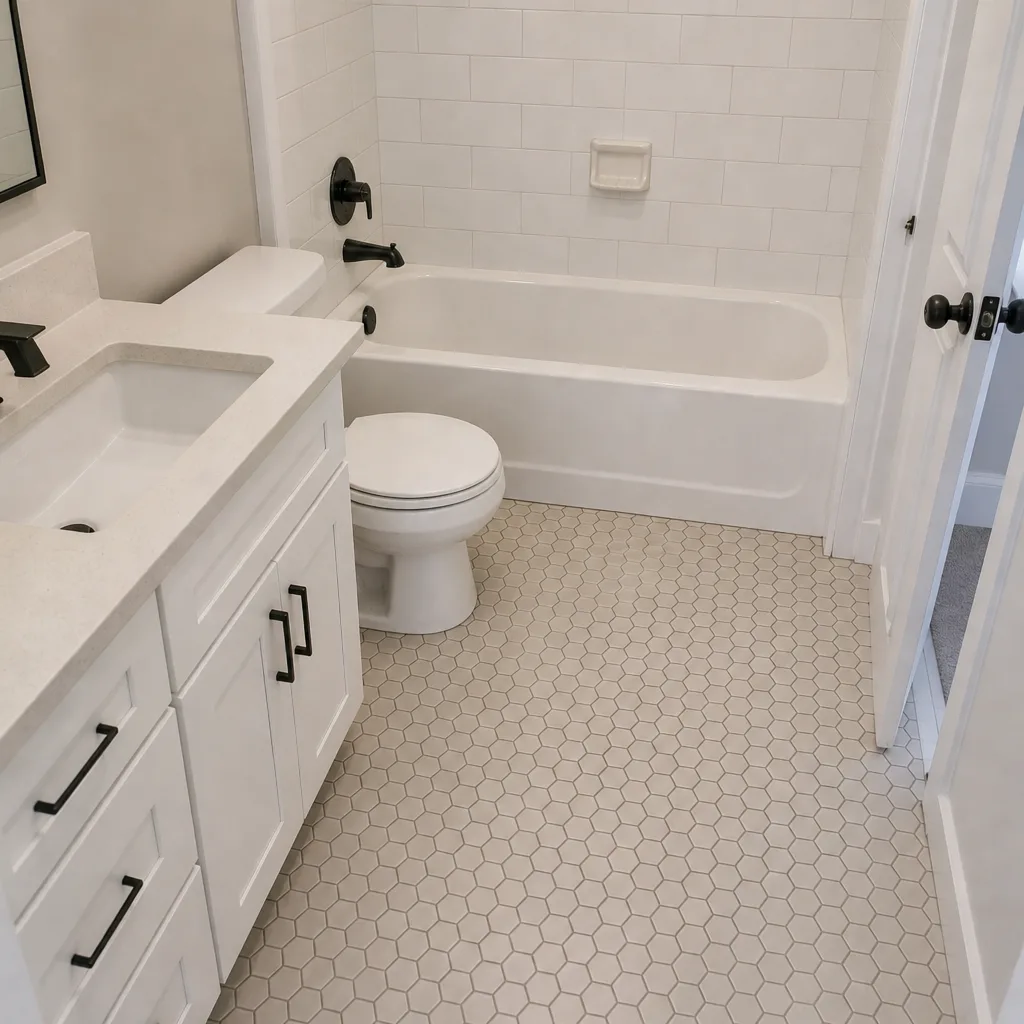 After
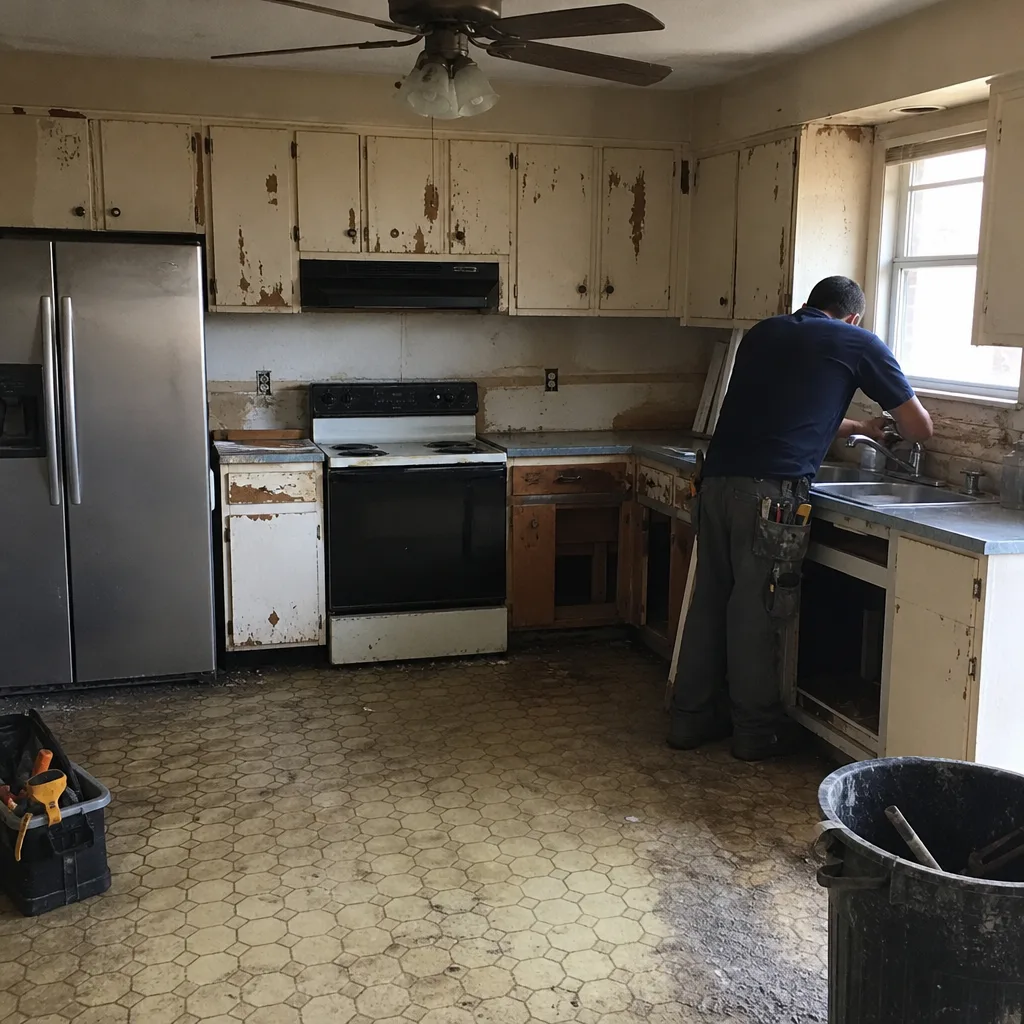 Before
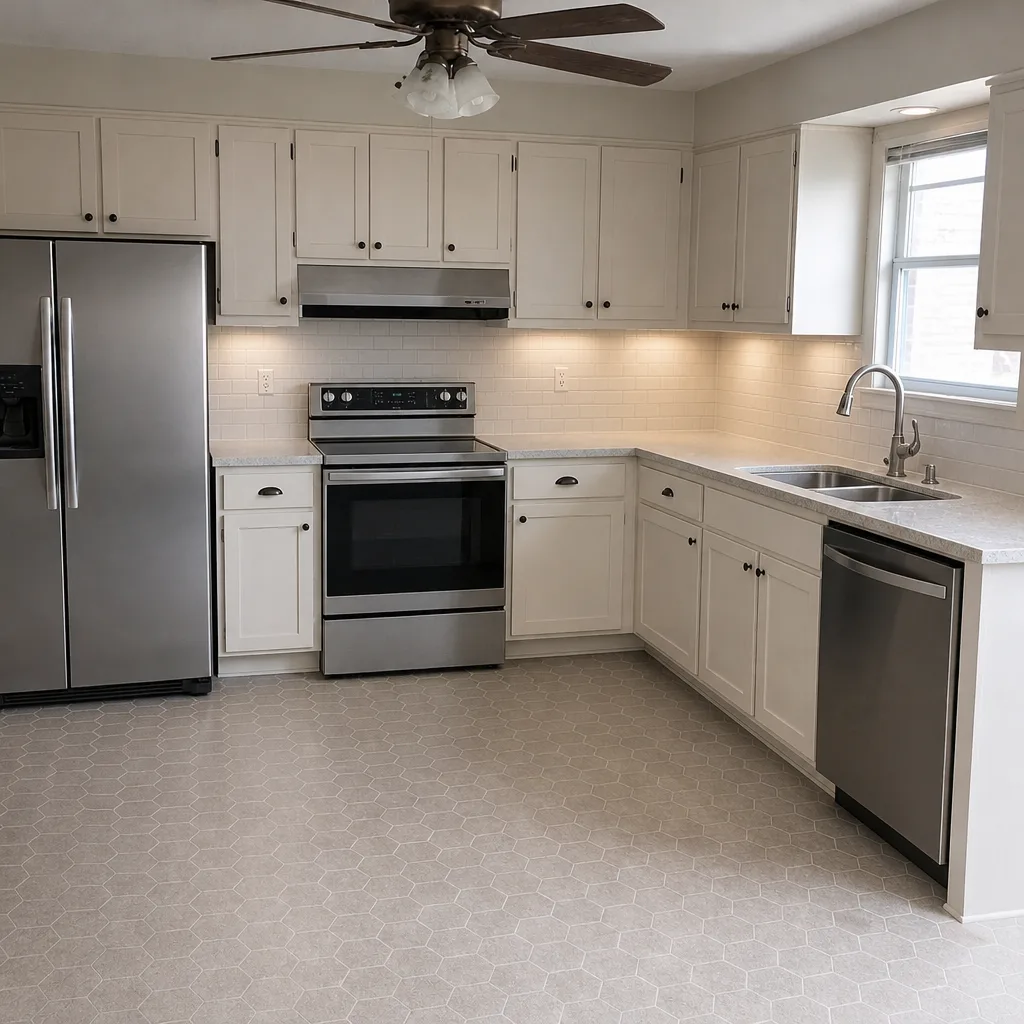 After
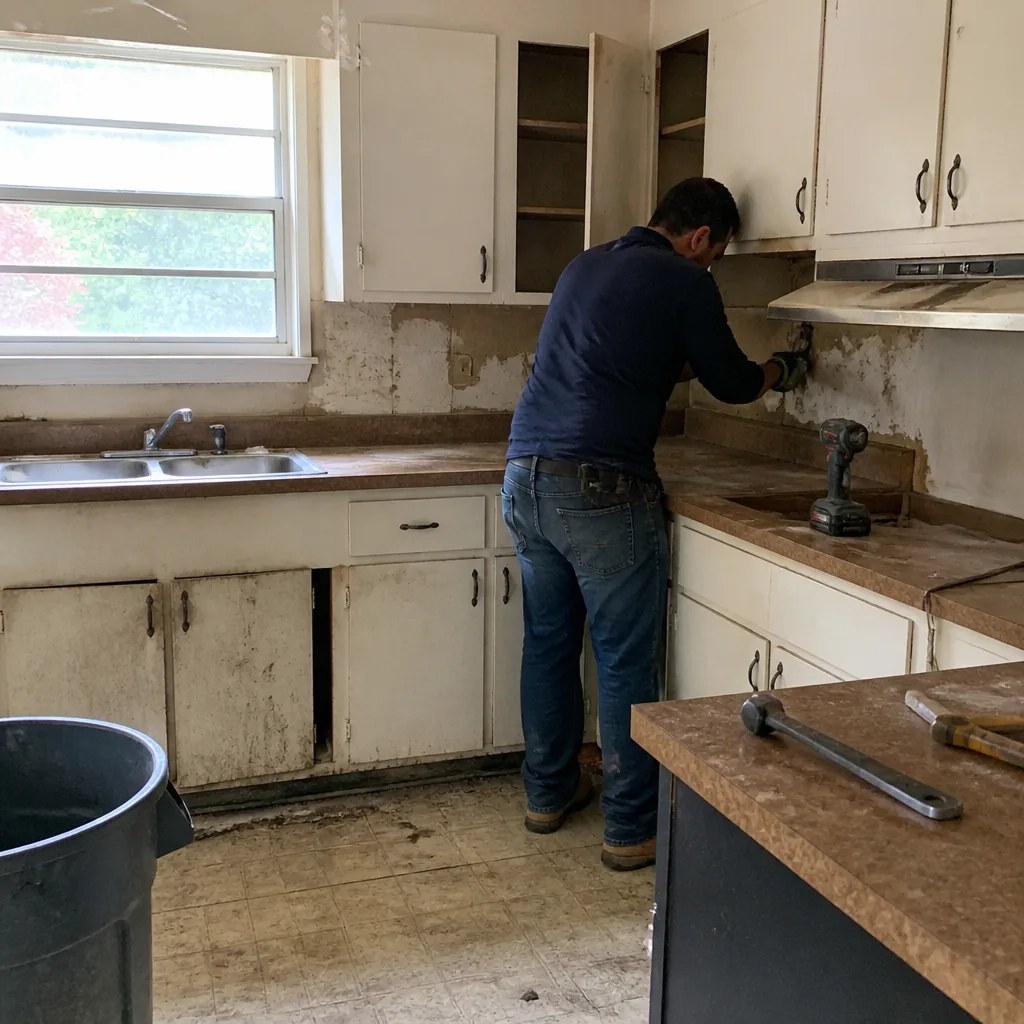 Before
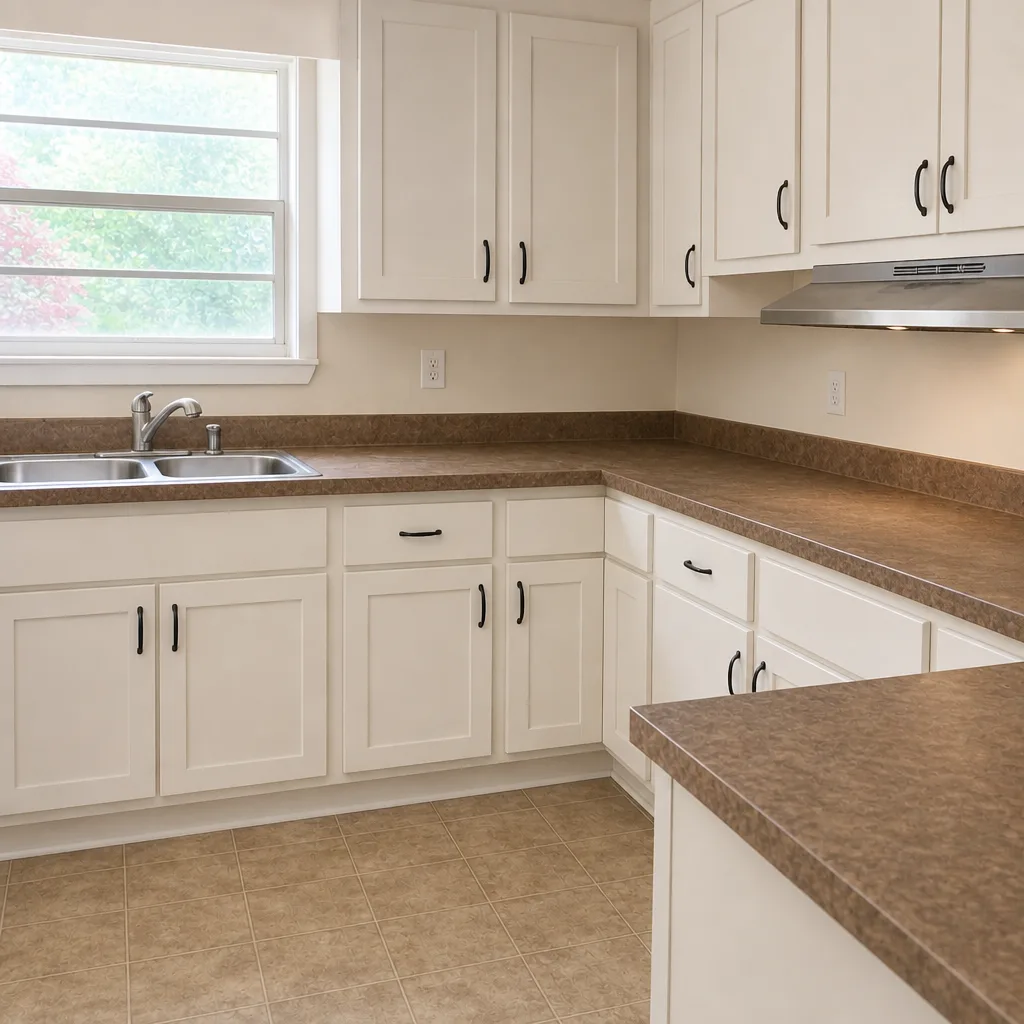 After
When to Call a Professional
Call in a professional for any project that requires a permit and inspection, sits on the roof or structural envelope, touches electrical panels or gas lines, changes your home’s footprint, or is subject to manufacturer warranty conditions. Call for exterior work under HOA rules if you want the material selection and installation handled in one step. Call when a DIY attempt has already gone sideways and the correction cost is climbing. And call when you’re planning a multi-phase renovation – kitchen plus roof, or bath plus windows – because a single contractor across the phases saves the friction of chasing down which trade is responsible for what.
Whitman Contractors offers free estimates in Allen. Each is a written line-item quote with pricing fixed to it, permits pulled and inspections passed, and workmanship warranty attached. Call (844) 320-7445. We answer 24/7. Fast dispatch from 7am to 7pm, Sunday through Friday.
Frequently Asked Questions
Yes, in many cases. Texas allows homeowners to pull their own permits for a range of residential work, and no law stops you from painting, landscaping, or doing finish work on your own home. What the law does not shield you from is the downstream risk: failed inspections on permitted work, voided manufacturer warranties, insurance coverage questions, and resale disclosure. The legality is real, but it’s only one variable. For a job with a permit and inspection attached, call (844) 320-7445 for a free estimate before you commit to doing it yourself.
It can, and the effect is most pronounced on roofing, structural, and electrical work. Insurers expect the systems they cover to have been installed by qualified trades, and an unpermitted or self-installed roof, electrical panel, or addition can complicate a future claim. Documentation matters. A permitted, inspected, professionally installed job gives your insurer a clean answer when a claim arrives. Call (844) 320-7445 to discuss what documentation a professional estimate includes – estimates are free.
Often, yes. Many roofing systems condition their warranty – especially the labor and workmanship portion – on installation by a certified or approved installer, and a self-installed roof may end up with a materials-only warranty at best. Because roofing is also the category that impacts resale most, this is one of the clearest cases where professional installation is the practical answer. Call (844) 320-7445 for a written, line-item roofing estimate with the warranty terms spelled out.
Interior painting, landscaping, fence board repair, pressure washing, simple fixture swaps on existing connections, and cosmetic touch-ups all sit in the reasonable-to-DIY range. The test is whether a bad result changes what your home is worth, what your insurer covers, or whether a future permit inspection passes. When the answer to all three is no, DIY is a rational call. When any is yes, run the pricing math with a free professional estimate first – call (844) 320-7445.
Count the whole thing, not just materials. Add the waste factor for first-time installations, tool rental or purchase, permit fees, your own time, and the correction cost if the work fails inspection. Run the same numbers on a professional quote and weight the insurance and warranty exposure on permitted work. On interior paint the DIY path usually wins; on roofing, additions, and remodels the honest comparison often favors professional work once the whole cost is on the table. Call (844) 320-7445 to get a free, written quote to compare against.
Yes, and that hybrid approach is often the most cost-efficient. Do the demolition, painting, and final touch-ups yourself, and leave permits, plumbing rough-in, electrical, waterproofing, cabinet install, countertop templating, and roofing to a professional. The dividing line is the permit-and-warranty line, not the “looks easy” line. Call (844) 320-7445 and we’ll walk through which phases of your Allen project fit each side – estimates are free.
The Bottom Line
The real question in Allen isn’t how much money you can save by doing a project yourself. It’s how much risk you’re willing to take on, and on which projects. Cosmetic and finish work is a legitimate DIY category, and we’d never talk you out of handling it. Permitted, warranty-sensitive, or structure-adjacent work is where DIY stops saving money and starts creating exposure – on inspection, on insurance, and at resale. Use the seven-question checklist to rate the task, use the true-cost framework to see the whole picture, and use the hybrid model to keep the cost down without giving up the accountability. One contractor across every phase means one point of contact when something’s wrong. Call (844) 320-7445 for a free estimate. We answer 24/7. Fast dispatch from 7am to 7pm, Sunday through Friday.
Written by the team at Whitman Contractors.