
Last updated November 17, 2026
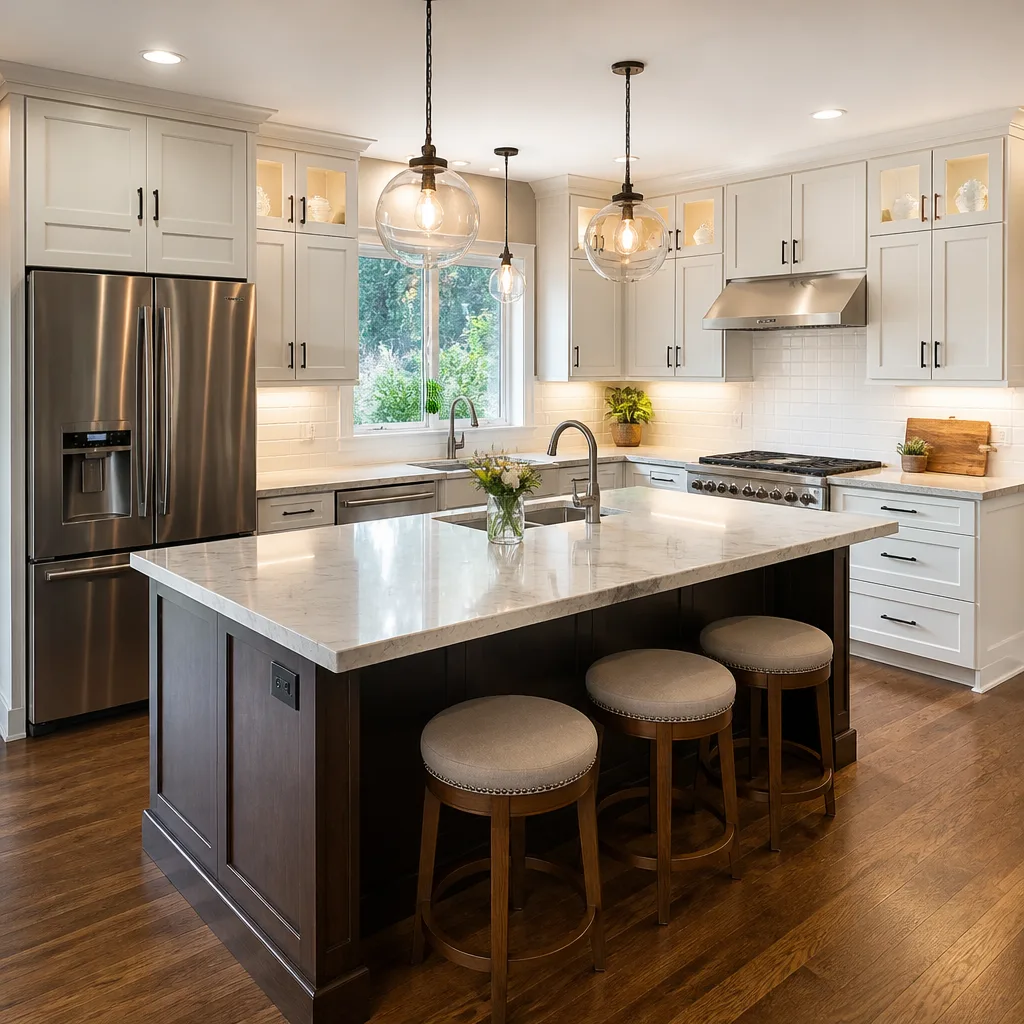 Kitchen remodeling
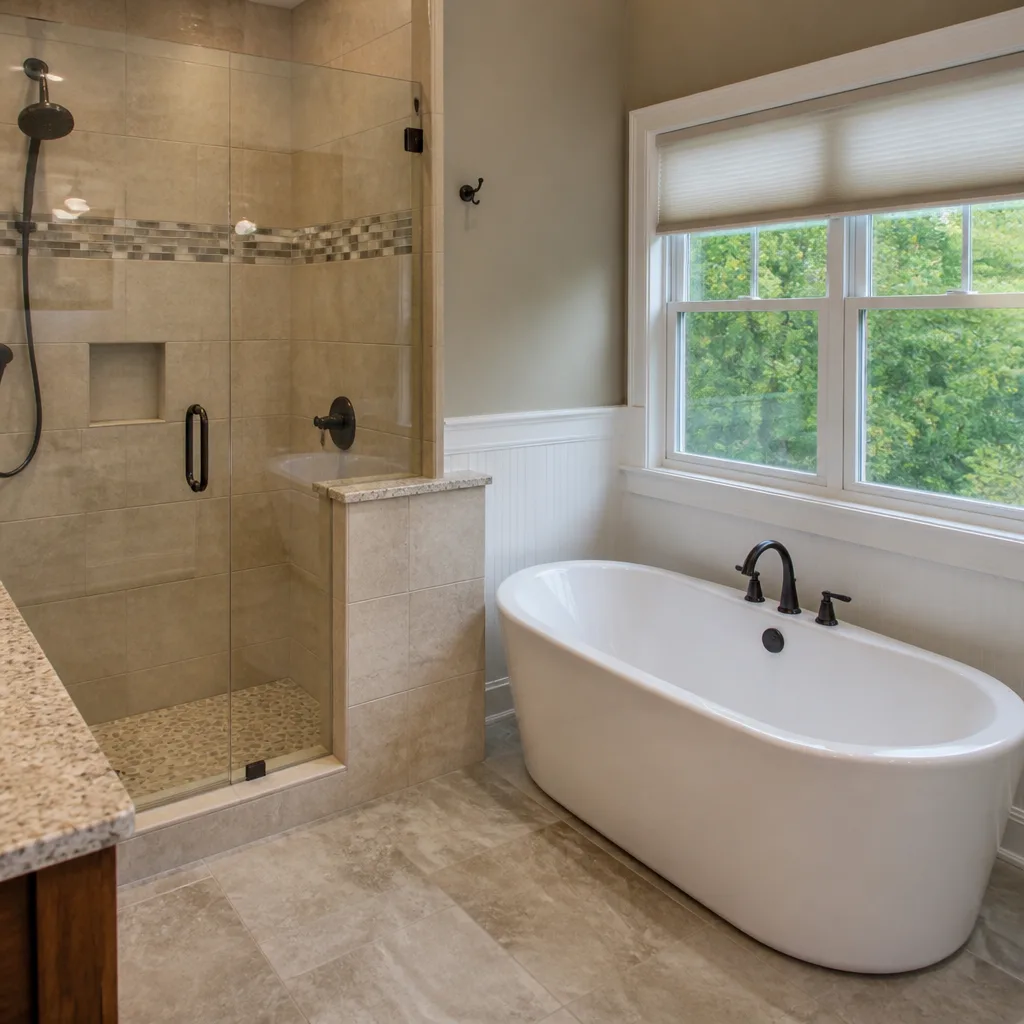 Bathroom remodeling
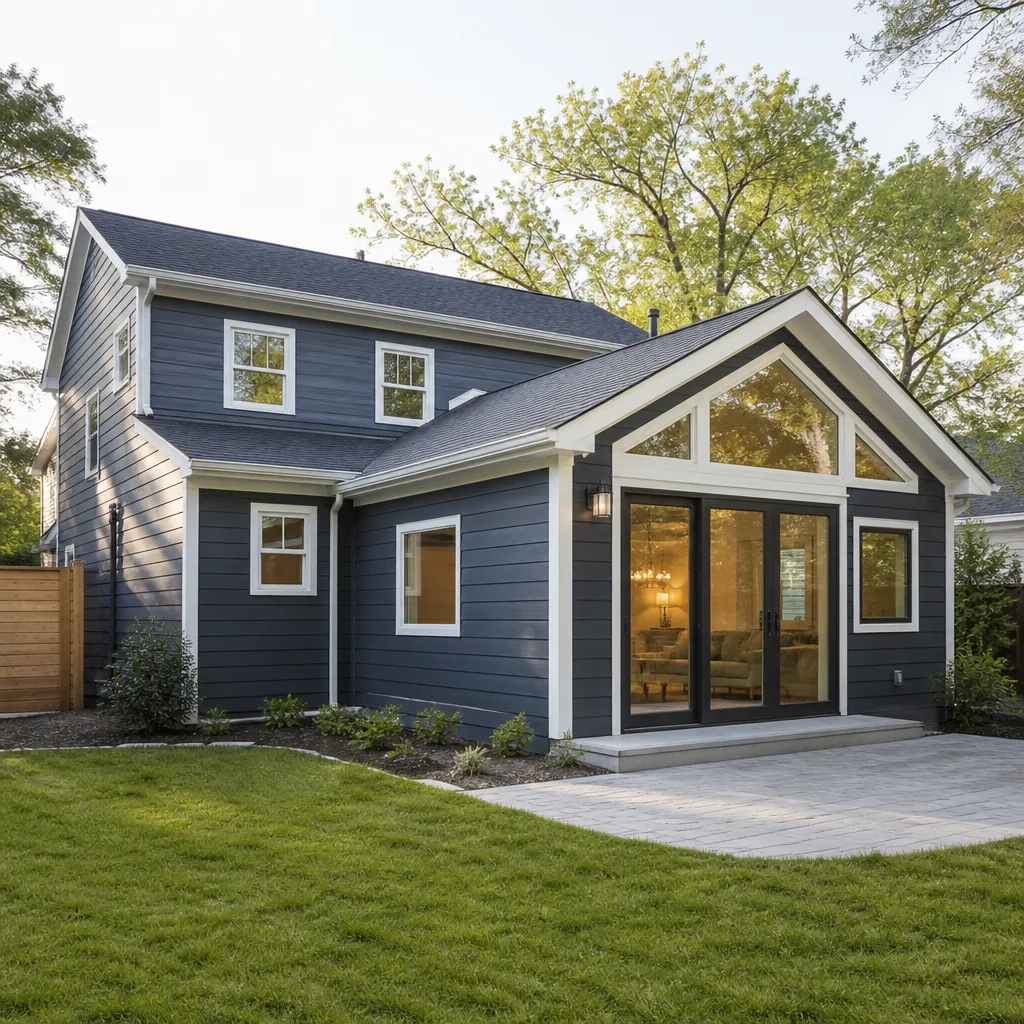 Home additions & ADU
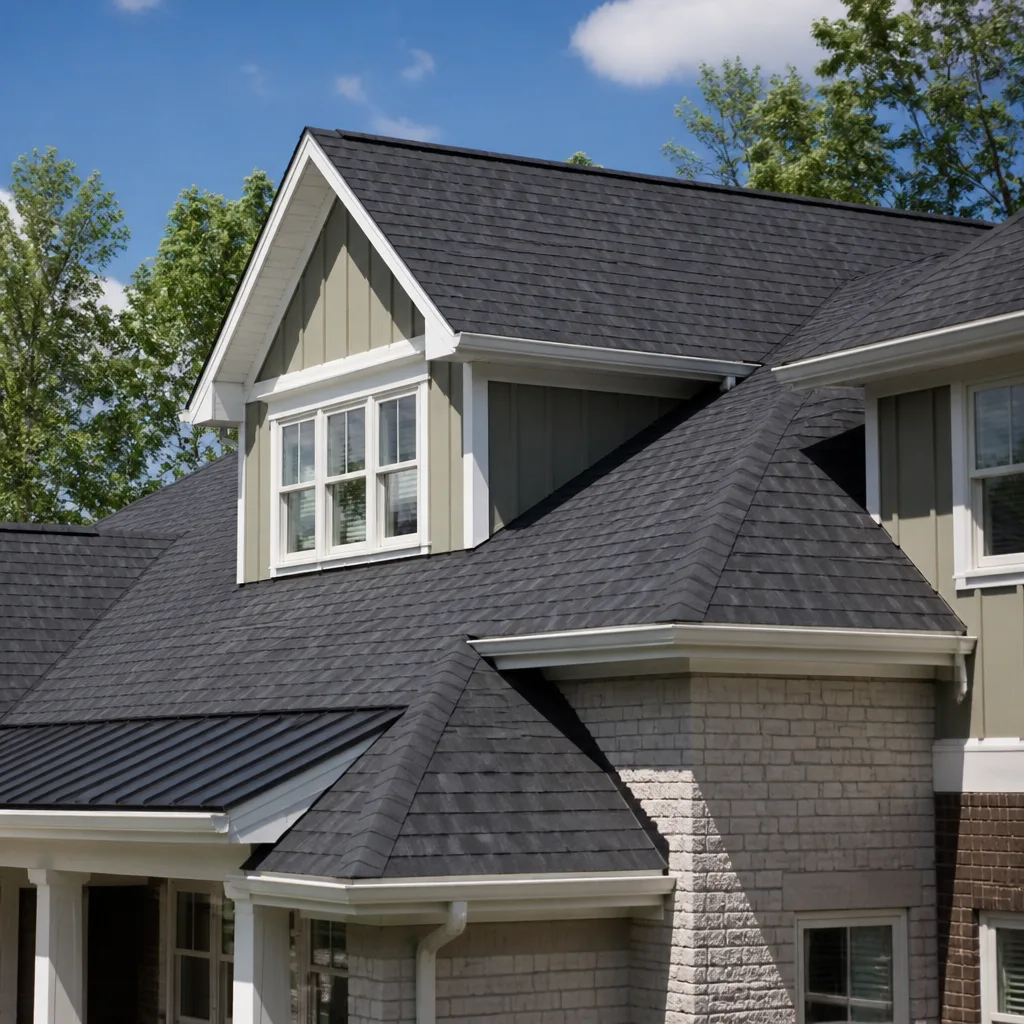 Roofing
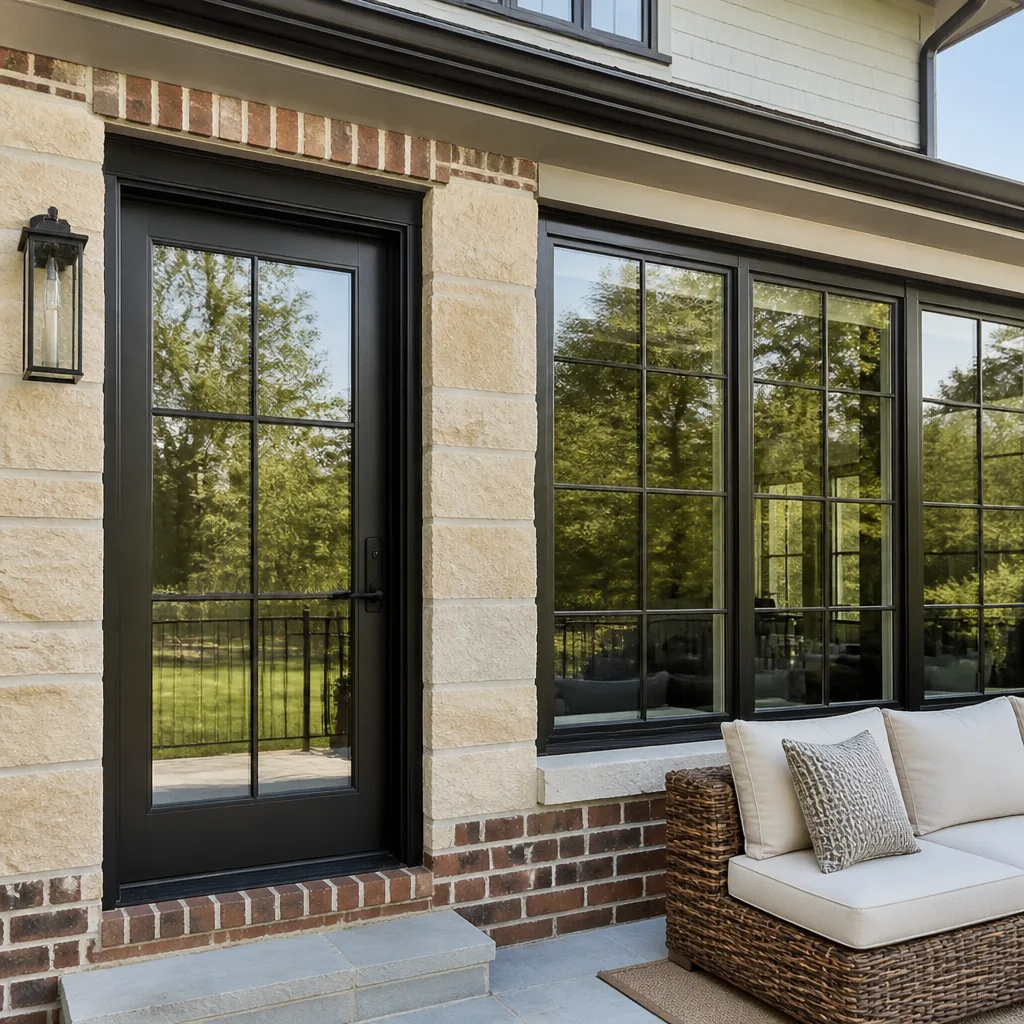 Windows & doors
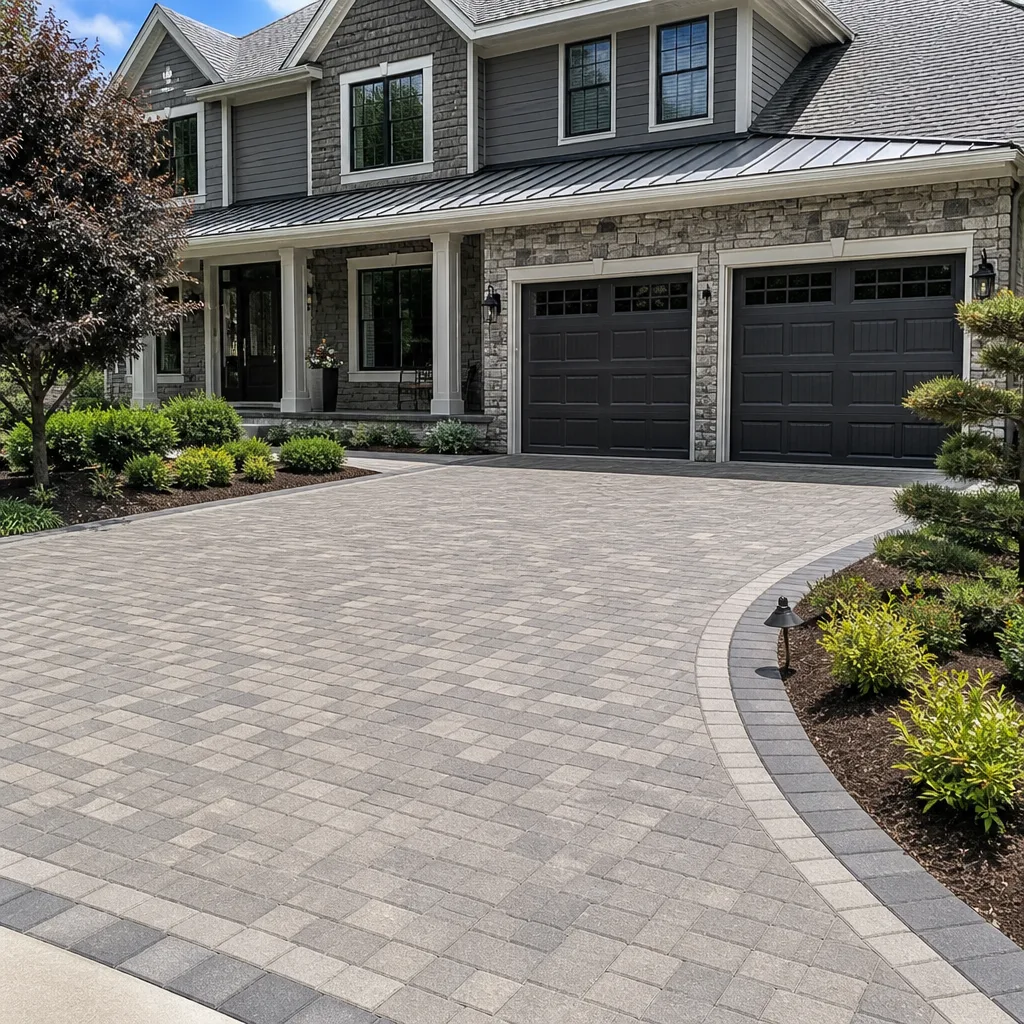 Driveway & pavers
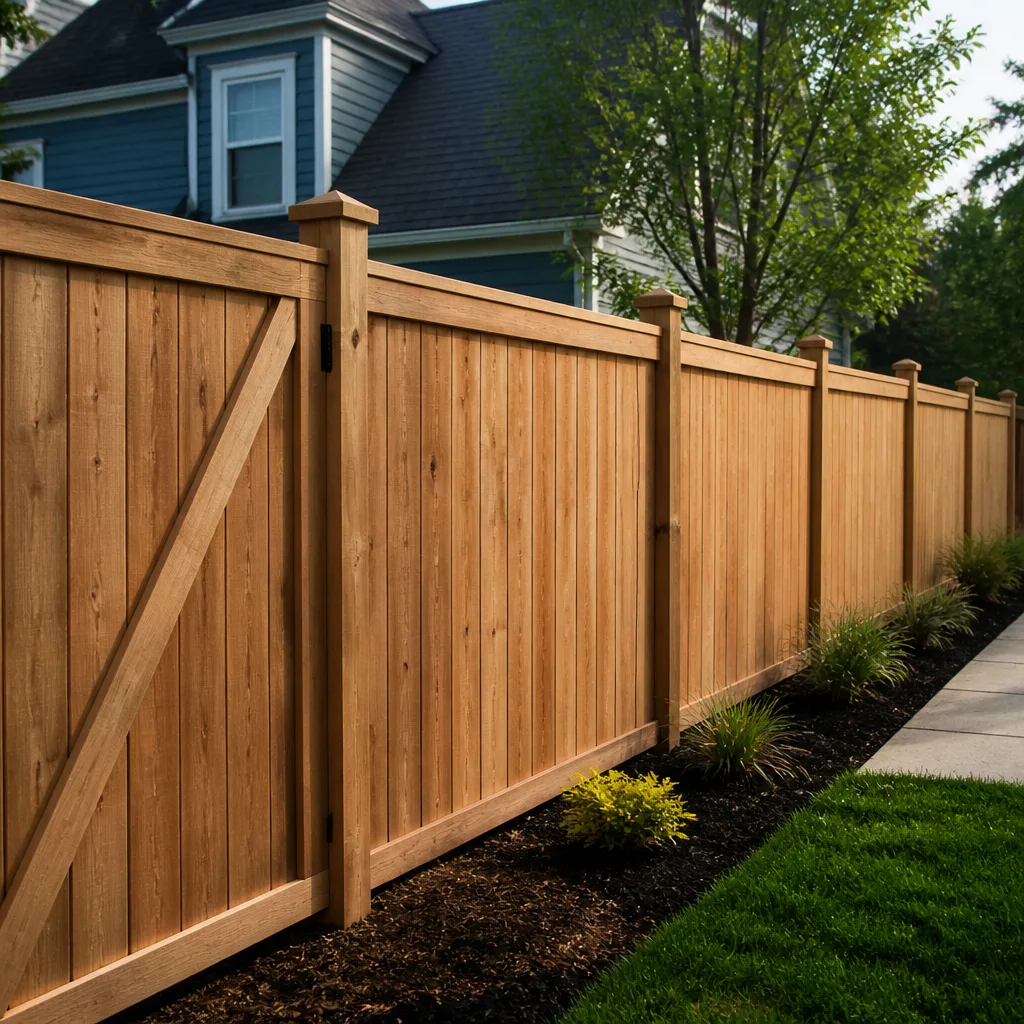 Fence
Free written scope consultation - allowances, timeline, and change-order rules on paper before a single trade is scheduled
Choosing the Right Construction Brand: A Buyer’s Guide for Allen
A shingle rated for 130 mph wind resistance can still fail a warranty claim in Allen if the installer used a fastening pattern the manufacturer never approved. That condition sits in the warranty documents most homeowners never read, and it turns a “premium” brand into an expensive lesson. The brand on the wrapper is only half the story here. North Texas delivers UV intensity, thermal cycling and hail that stress every exterior product on your home, and the installation method and local supply chain decide whether that product actually performs. This guide shows you how to read third-party ratings, spot where brand differences matter and where they don’t, and verify your installer, so your budget lands where it counts.
Quick Answer
The right construction brand for your Allen home is the one with independent third-party ratings that match North Texas conditions (hail class, wind rating, UV stability), an authorized installer doing the work, and steady local supply from DFW distributors. Manufacturer reputation matters, but verified performance ratings and correct installation decide whether a product survives Allen’s summers and hail seasons. Spend premium dollars on hail-rated roofing, impact-rated glass and hardware that takes UV and thermal stress; mid-tier is often fine for interior finishes where daily wear, not weather, sets the lifespan.
Styles & brands we work with
- Kitchen remodeling
- Bathroom remodeling
- Home additions & ADU
- Roofing
- Windows & doors
- Driveway & pavers
- Fence
Table of Contents
- How to Read Third-Party Ratings for Roofing, Windows and Siding
- Hail Ratings for Allen Roofs: What Class 1-4 Really Means
- Where Brand Differentiation Matters in Allen (and Where It Doesn’t)
- How to Split Your Budget Across Categories
- How to Verify a Contractor Is an Authorized Installer
- The Local Material Availability Factor in DFW
- Installation Method: The Warranty Condition Nobody Reads
- Interior Brands: Kitchens and Baths Where Performance Is Daily Life
How to Read Third-Party Ratings for Roofing, Windows and Siding
Manufacturer brochures tell you what a product can do under ideal lab conditions. Independent ratings tell you what a third party verified, and those two are not always the same story. When you’re comparing brands for an Allen home, the rating body on the label tells you how much weight to give the claim.
Here’s what the common marks actually mean:
- UL listings (UL 2218 for roofing impact). UL tests and classifies how well a roofing product resists impact. A UL 2218 classification is an independent test result, and it’s the one that matters most when hail is your main worry. Look for the class number, not the marketing adjective.
- FM Approvals. FM is a commercial-focused testing organization, and its approval marks a product as having passed specific performance tests, including wind uplift and hail. A roofing product carrying an FM approval has been through lab verification beyond the manufacturer’s own claims.
- ICC-ES Evaluation Service Reports (ESRs). An ICC-ES report means a product’s code compliance has been independently evaluated against building code criteria. When you see an ESR number, that’s a code-compliance verification, not a marketing badge, and it’s useful when a product is newer to the market.
- Wind ratings. A “130 mph wind rating” is a test result until your installer deviates from the manufacturer’s fastening schedule. The rating assumes a specific installation, and that’s the gap where warranties live. Allen’s spring storm season produces high-wind events, so a wind rating paired with the wrong nailing pattern is a paper guarantee only.
The short version: trust ratings issued by UL, FM or ICC-ES over adjectives printed on packaging. Ask your contractor to point to the specific rating, by test standard and class, for the product they’re proposing. A contractor who can name the UL class, the FM approval and the ICC-ES report without checking is a contractor who knows the product line. If they talk only about “premium materials” and never the test standard, keep asking.
Hail Ratings for Allen Roofs: What Class 1-4 Really Means
North Texas sits in one of the most hail-prone corridors in the country, which makes impact classification the single most useful number on a shingle spec sheet. Allen homeowners see hail frequently enough that a roof’s impact class isn’t academic, it’s the difference between a roof that takes a hit and one that needs replacing after the next storm cycle.
Roofing impact ratings are classified under UL 2218 in four classes:
- Class 1. The lowest impact classification. The material survives a limited impact test but offers modest hail resistance. Many standard architectural shingles carry a Class 1 or Class 2 rating.
- Class 2. A step up. These products withstand a heavier impact steel ball in testing and perform meaningfully better under moderate hail.
- Class 3. Strong impact resistance, and a class worth targeting for a home in a hail corridor like Allen’s. Class 3 products are usually upgraded shingles in a manufacturer’s lineup.
- Class 4. The highest UL impact classification. Class 4 roofing materials are engineered specifically for hail resistance and are the benchmark when hail frequency is high.
What does Allen’s hail frequency suggest? Given how often this corridor sees hail, a Class 3 or Class 4 product is the minimum we’d recommend for a roof you expect to keep long-term. Class 1 products have a place on a tight budget, but understand you’re trading away hail performance to save money on the front end. The brands that offer Class 4 systems in their lines – GAF, CertainTeed and Owens Corning among them – tend to be where serious storm performance lives. Ask for the class, not the brand name, and let the class drive brand choice rather than the other way around.
Where Brand Differentiation Matters in Allen (and Where It Doesn’t)
Brand loyalty in construction is overrated as a buying strategy. Some product categories reward you enormously for choosing the premium tier, and others are practically interchangeable. Knowing which is which keeps you from overspending on cabinetry hinges while you underinvest in the roof over your head. Here’s how we’d rank the categories for an Allen home.
- Where differentiation is real: roofing. Impact class, wind uplift performance and warranty structure vary widely by brand and product line. Storm performance is not a marketing category, it’s a test result. This is the category where the brand and the rating genuinely matter.
- Where differentiation is real: windows and doors. Glass package, frame material and hardware determine how well a product handles Allen’s UV load and thermal cycling over years. Impact and energy performance vary meaningfully between product lines, so this is the second category where premium is worth it.
- Where differentiation is real: exterior hardware and fasteners. Fencing components and the fasteners or hardware on any exterior product take the years of UV exposure and seasonal heat. Metal components and fastening quality can fail long before the decking, panel or frame does.
- Where differentiation is modest: interior cabinetry structures. Brand differences show up mainly in finish quality, hardware and door styles rather than raw structural performance. Mid-tier and premium both hold up in daily use if the boxes are solid and the finish is sound.
- Where differentiation is modest: interior countertops. Quartz brands like Silestone and Caesarstone differ in slab patterns, edge detail and surface feel more than in hard-wearing performance. Spend for the look you want, not because one brand will somehow outlast another.
- Where differentiation is modest: bathroom and kitchen fixtures. Brands like Kohler and Moen build solid product across their lines. Finish and longevity vary by model, so compare the specific fixture, not just the badge on the box.
The practical takeaway: allocate premium budget to the envelope – roof, windows, exterior hardware – and you’ll get the most return. For interiors, choose by look, function and hardware quality, and don’t assume the pricier brand is measurably tougher.
How to Split Your Budget Across Categories
If you’re planning a multi-phase renovation in Allen, budget allocation is the decision that shapes how your home weathers the next 20 years. The mistake is spreading money evenly across every category. Here’s a simple priority order we’d give a homeowner planning curb-to-roof work:
- Roofing first. This is the category where a storm can undo your entire budget in a single afternoon. A Class 3 or 4 impact-rated system with a proper installation schedule is the highest-value line item on the list.
- Windows and doors second. They take the same UV and thermal stress as the roof and affect energy performance every day of the year. Impact-rated glazing and solid hardware repay the upgrade over the life of the home.
- Exterior hardscape and fencing third. Properly installed pavers and fencing built with quality components add real durability and curb value. The material quality of the base and fasteners matters more than the brand name on the surface.
- Interiors last, chosen by use. Once the envelope is right, kitchen and bath spend follows the room’s daily role, not the brand hierarchy. Pick countertops and fixtures for the look and feel you want.
The goal is a budget that protects the structure first and dresses the rooms second. Allen’s climate makes the envelope the highest-stakes spending. When the roof and windows are right, the interior upgrades are the fun part rather than the emergency part.
How to Verify a Contractor Is an Authorized Installer
Here’s a fact that surprises most homeowners: an unauthorized installation voids the manufacturer warranty even when the product itself is authentic and premium. Manufacturers require authorized installers to follow specific methods, use specific materials and often complete product-specific training. Install it wrong, or install it without authorization, and the warranty you paid for as part of the brand is void. This matters most with roofing, windows and high-performance systems.
Verifying authorization is straightforward if you ask early, before any contract is signed:
- Ask for the manufacturer’s authorization directly. A legitimate authorized installer can tell you which brand programs they’re enrolled in. Ask them to name the program, not just the brand.
- Confirm with the manufacturer. Most major manufacturers publish an authorized installer locator or can verify a contractor by phone or email. This takes a few minutes and settles any doubt.
- Ask about product-specific training and certification. Authorized status usually comes with training for specific product systems. If your contractor can’t describe the training, that’s a red flag.
- Get the warranty in writing before work starts. The warranty document spells out the installation conditions the manufacturer requires. Read the “installation requirements” section, not just the “coverage” section – the coverage is meaningless if the conditions weren’t met.
- Check that the warranty is registered in your name. Many manufacturer warranties are only valid for the original registrant and only if registered after installation. Ask exactly what will be registered and by whom.
Since we work across multiple brand families in roofing alone, we can walk a homeowner through which lines come with which warranty structures. If your contractor can’t clarify authorization status, treat it as reason enough to look elsewhere.
The Local Material Availability Factor in DFW
Brand quality is one thing. Whether the brand is stocked by DFW distributors is another, and it’s the one most buyers never factor in. A brand with a great spec sheet but thin local supply can leave your project stalled for weeks when the job needs extra material. Allen sits inside the DFW distribution network, and that network matters more than most homeowners realize.
Here’s why reorder speed is a real risk. Construction almost always needs more material than planned – a miscalculated square count, a piece that breaks during install, or a change in scope mid-job. If the brand is stocked in Dallas, Fort Worth, Plano or the surrounding distributor network, a reorder turns around quickly. If it isn’t, you’re waiting on a manufacturer shipment.
- Check local distributor stock before you commit. Ask your contractor which distributors carry the product and whether it’s stocked locally or ordered in.
- Ask about the lead time in writing. The estimate should tell you whether the product is available locally or on order, and roughly how long a reorder takes.
- Favor brands with deep local distribution. Major brands like GAF, CertainTeed, Owens Corning, KraftMaid and Wellborn have wide distribution because they’ve built distribution networks. They’re the brands most likely to be sitting on a DFW shelf.
- Be cautious with boutique or imported products. They can be excellent, but a special-order brand that takes weeks to arrive turns a small mid-project change into a delay nobody wants.
The practical rule: the best brand is the best brand you can actually get, on time, when you need more of it. That’s a fact of Allen construction, and it’s worth asking about before you sign.
Installation Method: The Warranty Condition Nobody Reads
This is the part of brand selection that most buyers – and some contractors – gloss over. Every major manufacturer’s warranty carries installation conditions written in an addendum or technical manual. A specific fastening pattern for roofing. A specific nailing schedule. Required underlayment. Specified flashing methods. When those conditions aren’t met, the warranty can be refused even though the product was genuine and the failure was real.
That’s the trap behind the opening point of this guide. A wind-rated shingle installed with the wrong fastening – wrong nail type, wrong placement, wrong count – can fail a warranty claim in Allen after storm damage, because the manufacturer’s warranty assumed a fastening method the installer didn’t follow.
- Ask for the manufacturer installation standard. The warranty should reference the specific technical bulletin or installation manual your contractor will follow. Get that manual or bulletin number in writing.
- Ask who does the inspection. Many manufacturers require a third-party inspection or approval before the warranty is issued. Ask whether that step is included.
- Confirm the material list matches the standard. If the manufacturer calls for a specific underlayment and your quote lists a different one, you’ve found the gap before it costs you a claim.
- Verify the final registration. Ask what gets registered with the manufacturer after completion and get a copy of the registration yourself.
The right product and the right installation method are a package deal. The brand warranty covers both only when both align. A contractor who talks about installation method the same way they talk about brand is a contractor who understands the warranty.
Interior Brands: Kitchens and Baths Where Performance Is Daily Life
Interior products don’t fight hail, but they do face UV load through windows, daily wear and heat. Brand choice here is mostly about look, hardware and finish rather than weather survival. The difference between a Silestone countertop and a Caesarstone quartz slab is mostly surface pattern and edge detail. The difference between a Kohler and a Moen fixture is mostly finish and design rather than industrial-grade performance. That’s a release, not a compromise: you don’t have to defend against weather indoors, so choose for the room you actually want to live in.
What does set interiors apart is installation quality and hardware selection. A solid cabinet box from KraftMaid or Wellborn is only as good as its hinges and drawer slides. A quiet premium faucet is only as good as the plumber who installed the supply lines. The tier of brand matters less than the tier of installer.
If you’re planning a kitchen or bath remodel in Allen, we can walk you through the options and help you choose between a premium slab look and a mid-tier that performs similarly, without steering you to whatever single supplier happens to be in the room. The whole point of a wide brand portfolio is that the choice stays with you. When a single-trade remodeler only carries one line, the decision makes itself. That’s the opposite of what most homeowners want.
Common Mistakes to Avoid
- Choosing a brand before checking its rating class. A premium-sounding brand name tells you nothing about its UL 2218 impact class. Ask for the class first, then choose between the products that meet it.
- Assuming a warranty claim will be honored because the product was premium. The installation schedule in the warranty addendum controls. If your installer deviates from the manufacturer’s fastening pattern, the claim can be refused, and most homeowners never read that section.
- Skipping the authorized installer check. An unauthorized install voids the manufacturer warranty even if every shingle, window or fixture is genuine. Confirm authorization with the manufacturer, not just from the contractor’s business card.
- Overpaying for interior brands you won’t notice. The premium tier in countertops or fixtures buys pattern and finish, not a meaningful lifespan advantage. Spend that money on envelope products instead.
- Ignoring local material availability. A brand with no DFW distributor stock means weeks of waiting when your project needs extra material. Ask early whether the product is stocked locally.
- Buying hail-rated roofing without confirming the rating. A “storm-ready” label means little without the UL class. Ask for Class 3 or 4 if you want serious hail protection for a North Texas home.
- Letting one trade pick the brand for you. A roofer who only installs one line, or a remodeler with one kitchen brand, has a limited menu by necessity. You’re not getting a choice, you’re getting whatever is in stock.
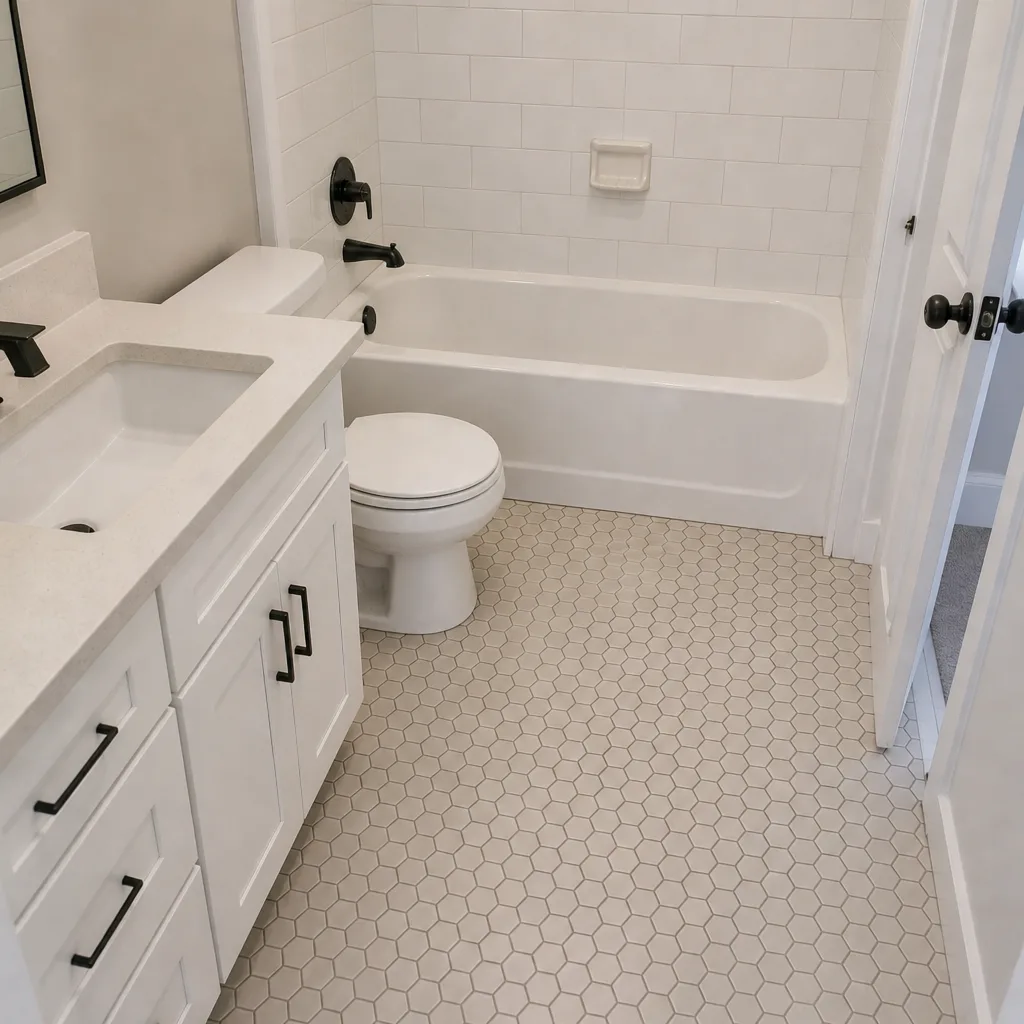
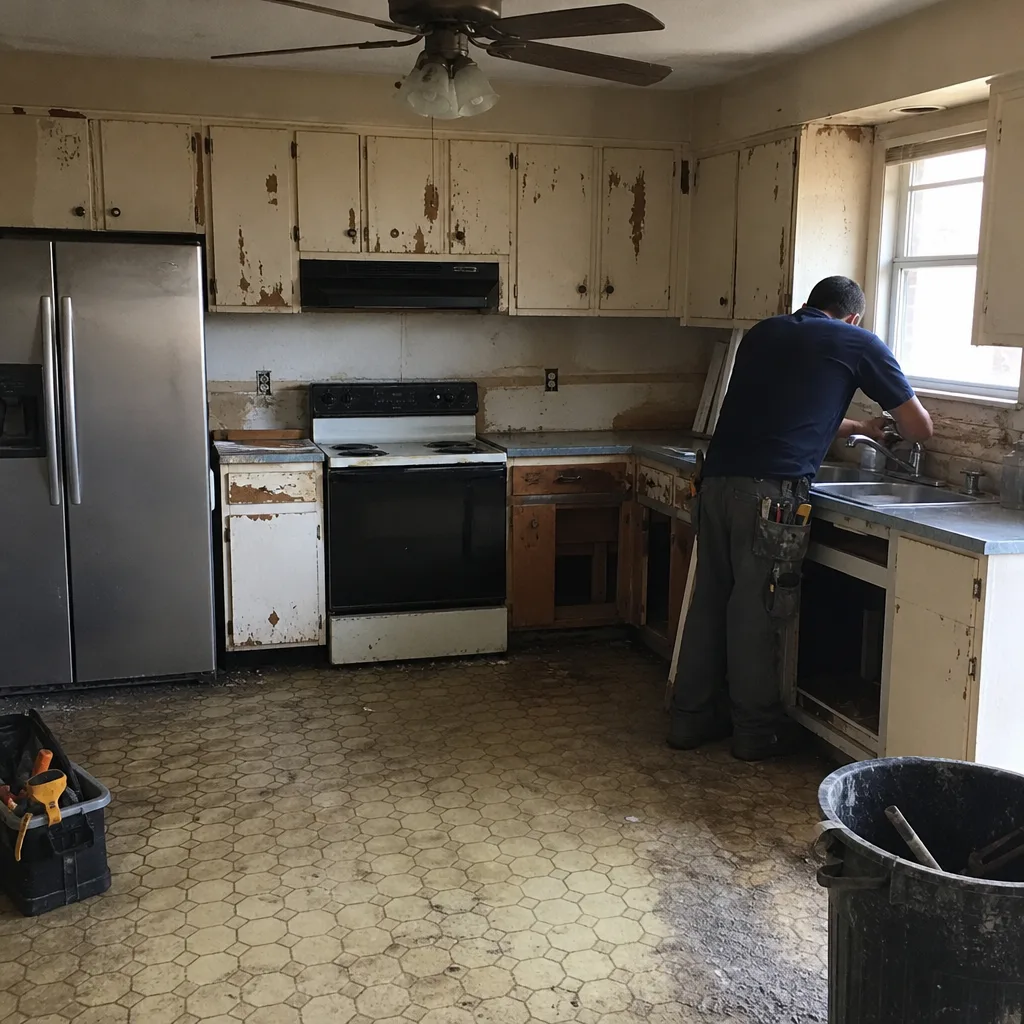
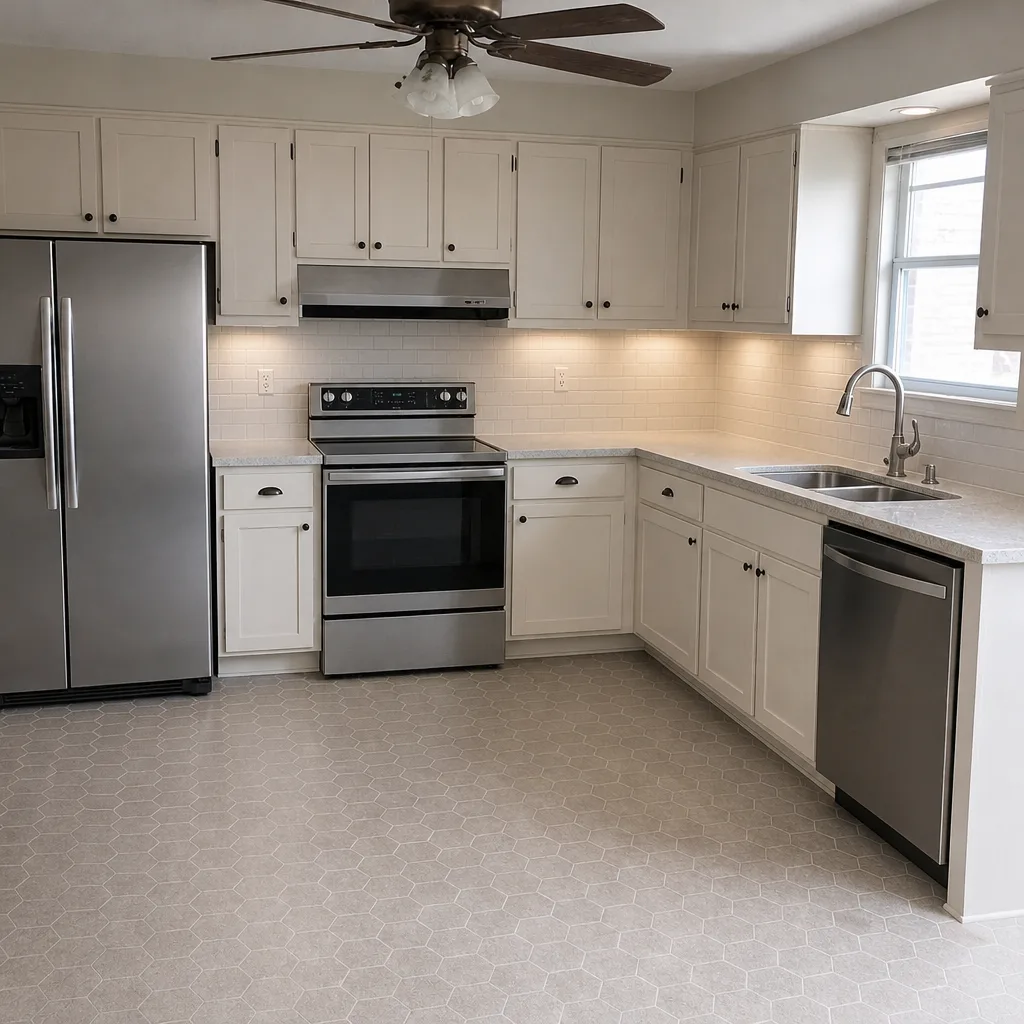
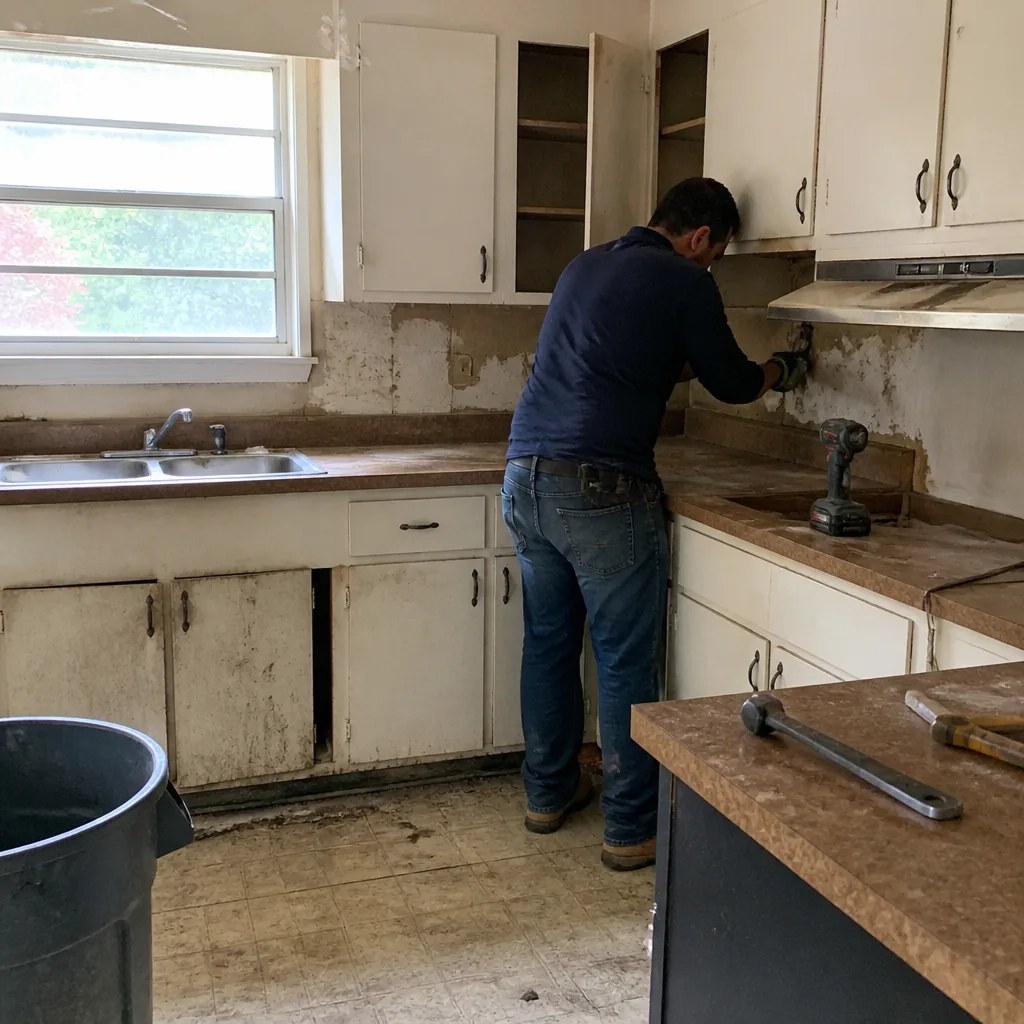
See the difference
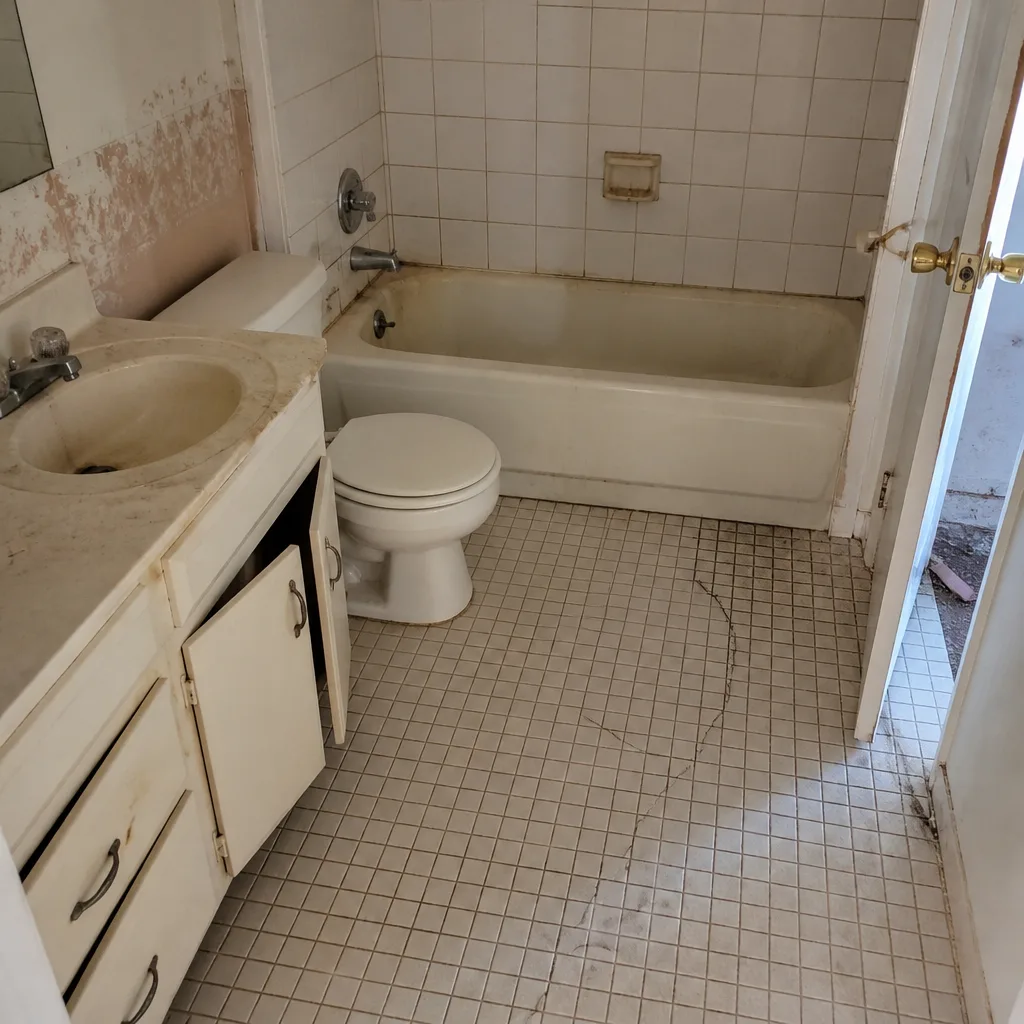 Before
 After
 Before
 After
 Before
 After
When to Call a Professional
Some brand research you can do yourself. Evaluating a roofing warranty addendum, verifying an authorized installer status, and confirming that a chosen product meets the right UL impact class are best done with a contractor who works with those products daily. When a project spans multiple phases – a roof and windows and a kitchen at the same time – coordinating brands, installation methods and physical sequencing is a job for a general contractor rather than a single-trade specialist. The same is true when you want a warranty plan that covers the whole project rather than one piece of it. Our technicians have up to 13 years of experience across roofing, windows, kitchens and baths. Whitman Contractors offers free estimates in Allen – call (844) 320-7445. If you want to see the scope of what we coordinate, start with the overview of Whitman Contractors.
Frequently Asked Questions
The best roofing brand for an Allen home is the one whose product line gives you a Class 3 or Class 4 impact rating for hail and a warranty structure that matches your installation method. GAF, CertainTeed and Owens Corning all offer impact-rated lines, but in our view the class matters more than the brand. Ask for the UL 2218 classification before you compare brand names. Call (844) 320-7445 and we can walk you through the ratings line by line.
Class 3 is a solid minimum for Allen’s hail corridor, and Class 4 is the highest UL impact classification if your budget allows. The right choice depends on your budget and how long you plan to stay in the home. Class 1 and 2 products are legitimate on a tighter budget, but you’re accepting less hail protection. Call (844) 320-7445 for an exact quote on each tier.
Ask the contractor which manufacturer advisor programs they’re enrolled in, then confirm through the manufacturer’s own authorized installer locator or phone line. That takes a few minutes and settles whether an installation will carry the warranty. A contractor who can’t name the program isn’t an authorized installer. Call (844) 320-7445 if you want help confirming this before you sign.
Premium spending belongs on the exterior envelope: impact-rated roofing, windows and doors, and hardware. Interior finishes like countertops and fixtures vary mostly in look and finish, so save there if the budget is tight. That’s the split we’d advise for a North Texas home. Call (844) 320-7445 to review your project.
Yes, in most major manufacturer warranties. Authorization requires installation to specific methods, and the warranty document spells out the installation conditions. The product can be genuine, premium and properly delivered, and still fail a warranty claim if the fastening pattern didn’t match the manufacturer’s technical standard. Call (844) 320-7445 if you’re not sure your installation will carry the warranty.
It can. A brand with deep DFW distribution can turn a mid-project reorder around quickly, while a rare or special-order brand can add weeks to the same situation. Ask whether the product is stocked locally before the contract is signed. Call (844) 320-7445 for an exact quote on products with reliable local distribution.
The Bottom Line
Brand reputation is the starting point, not the finish line. For an Allen home, the buying decision runs through third-party ratings that match North Texas conditions, an authorized installer following the manufacturer’s installation schedule, and supply that actually exists in the DFW network. Put premium budget into the roof, windows and exterior hardware. For interiors, choose by look and function, using brands like Silestone or Caesarstone for surface style rather than for durability you can’t measure. If you’re planning curb-to-roof work in Allen, aligning brands, installation methods and sequencing is exactly where one accountable contractor saves you money, and we’re glad to walk through it. Call (844) 320-7445. We answer 24/7. Fast dispatch from 7am to 7pm, Sunday through Friday. Estimates are free, and we put pricing in writing. Getting the brand right is only half of it; getting the install right is the other half.
Written by the team at Whitman Contractors.