
Last updated November 17, 2026
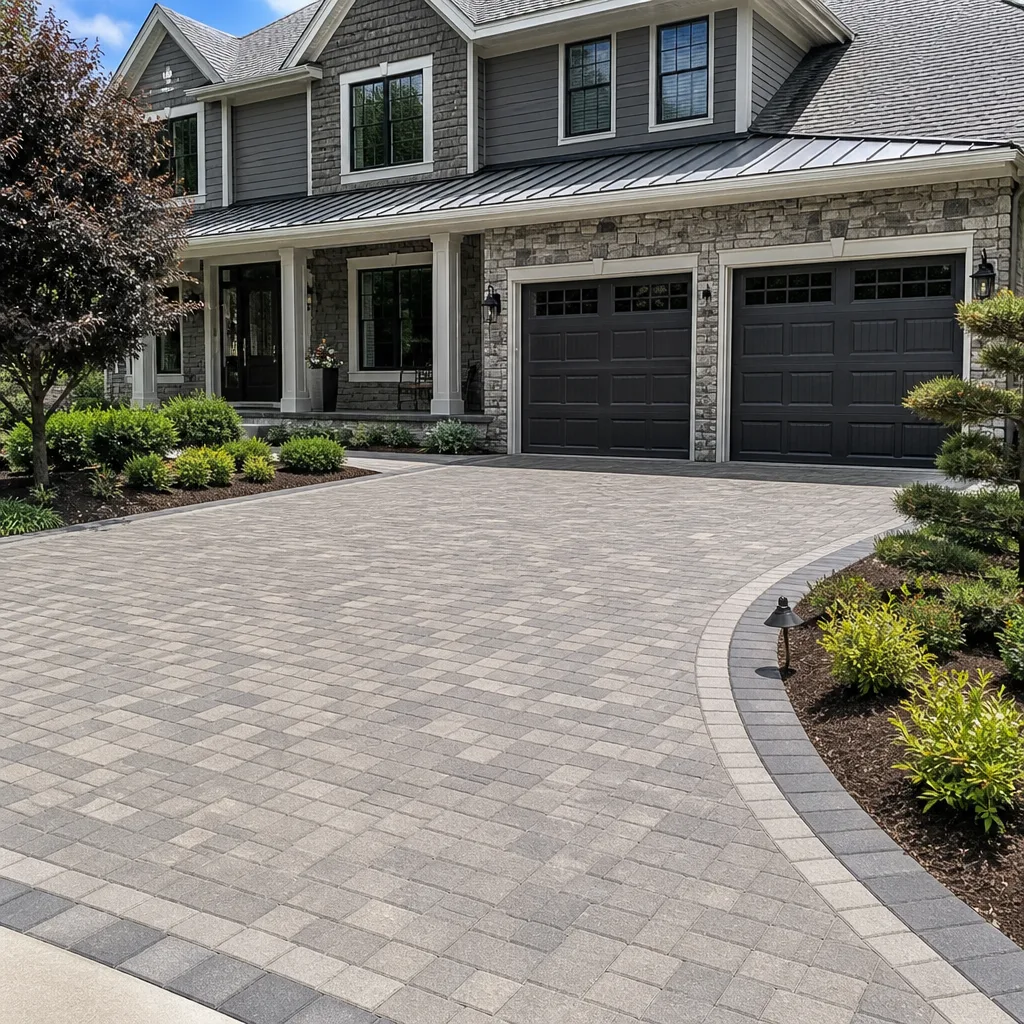 Driveway & pavers
 Kitchen remodeling
 Bathroom remodeling
 Home additions & ADU
 Roofing
 Windows & doors
 Fence
Free written scope consultation - allowances, timeline, and change-order rules on paper before a single trade is scheduled
The Complete Driveway & Pavers Guide for Allen Homeowners
Most homeowners pick a paver by its color, then let the base get built however the crew feels like building it. That’s backwards. In Allen, the layer you never see decides whether the driveway still looks new in a decade or starts rocking, settling and puddling at the garage apron after a couple of North Texas summers. The surface is what the neighbors notice; the base is what determines whether you notice a problem every time you pull in.
This guide covers how a driveway actually goes together in Allen, what different pavers and hardscape materials cost, how the local soil and heat affect the work, what to ask a contractor before signing, and where the common expensive mistakes hide. It runs long on purpose. A driveway is one of the few improvements you’ll live with daily and look at from the street every single day.
Quick Answer
A driveway in Allen is built from the ground up: excavate, compact a proper aggregate base, add edge restraint, lay pavers over a bedding layer, then compact and seal. The base is the expensive part and the part that fails first when it’s skipped. Expect typical paver driveway estimates of roughly $14 to $30 per square foot in the Allen market, driven mostly by material choice, base depth and site access. Get a written, line-item estimate before any work begins.
Styles & brands we work with
- Kitchen remodeling
- Bathroom remodeling
- Home additions & ADU
- Roofing
- Windows & doors
- Driveway & pavers
- Fence
Table of Contents
- How a Paver Driveway Is Actually Built
- Choosing Your Pavers: Concrete, Clay, Travertine and More
- What Does a Driveway Cost in Allen?
- How Allen’s Heat and Soil Affect Your Driveway
- Concrete vs. Pavers: An Honest Comparison
- Permits, Drainage and Allen Code Basics
- Questions to Ask Before You Hire
- Keeping a Driveway Looking Right
How a Paver Driveway Is Actually Built
Nearly every paver failure traces back to the base or the edge, not the paver itself. Here’s the sequence a properly built driveway follows, and what each step is for.
- Mark and excavate. The footprint is marked and the existing surface is removed to the depth the finished assembly needs. That means enough depth for the aggregate base, the bedding sand and the paver thickness combined. A paver sits proud of nothing – it sits on a sandwich, and the sandwich needs room.
- Grade for drainage. The subgrade is shaped so water moves away from the house and garage, not toward it. Allen lots are mostly gently sloped, so this is often about small adjustments rather than big ones, but it has to be right before anything else goes down.
- Compact the subgrade. Loose native soil is compacted before the base goes in. Skipping this is how you get a driveway that looks fine for a month and then starts sagging over a soft spot.
- Build the aggregate base in lifts. Crushed stone base is placed and compacted in layers, not dumped in one pile and rattled once. Each lift gets compacted before the next goes on.
- Set edge restraint. A paver driveway is essentially a giant puzzle held under tension. The edge restraint is what keeps the pavers from spreading. It is not optional, and it is the single most overlooked component.
- Screen the bedding layer. A thin, uniform layer of coarse sand is screeded flat so the pavers sit even.
- Lay the pavers. The pattern is laid to the agreed plan, cut at the edges and around drains and utilities.
- Compact and joint sand. The surface is compacted, joint sand is swept in, and the whole field is compacted again so the pavers interlock.
- Seal (optional). A sealer can lock in color and slow staining, but it’s a decision, not a requirement.
In our experience, a homeowner who understands those nine steps is a homeowner who can spot a shortcut during the estimate conversation. It’s also the reason we build driveway & pavers as a full assembly rather than a surface treatment. If you’re also planning to tie the driveway into fencing or a new exterior, it pays to look at the whole envelope at once – more on that below.
One quick note on a related exterior project: if your lot has a fence along the drive or a gate at the street, coordinating the fence and the hardscape in the same plan is far cheaper than doing them years apart. Our fence installation work is often scoped alongside a driveway for exactly that reason.
Choosing Your Pavers: Concrete, Clay, Travertine and More
Material choice drives both the price and the look, and each option has an honest tradeoff. Here’s how the main categories break down.
- Concrete pavers. The workhorse. Available in a huge range of shapes and colors, mold-resistant, and easy to color-match later for repairs. Belgard, Unilock, Techo-Bloc, Tremron and Cambridge Pavers all make lines worth comparing side by side. Good value per square foot and the most flexible option for most Allen homes.
- Clay brick pavers. Warmer in color, dense and heavy, and they hold color well. They cost more than concrete and the color range is narrower, but the look is unmistakably traditional.
- Travertine and natural stone. The high-end end of the range. Travertine stays cooler underfoot in the Allen summer, which matters on a pool deck or a shaded patio. Natural stone costs more, needs more careful sealing, and is best used where the visual payoff is worth the premium.
- Permeable pavers. Designed to let water pass into the base and back into the ground. Worth considering where runoff is a real constraint.
One thing worth stressing: a paver is only as good as its installer. A premium Techo-Bloc paver laid on a shallow base with no edge restraint will fail. A mid-range concrete paver on a deep, properly compacted base will hold for decades. Choose a real brand, but choose your contractor more carefully than you choose the color. “Your spec, not ours” is the posture we take: we want you to compare Belgard against Unilock against Techo-Bloc and pick the one that fits the house, the budget and the pattern you actually want.
You’ll also want to consider pattern. Herringbone handles tire loads well. Running bond reads clean and classic. Large-format patterns look modern but demand a more precise base. The pattern is a design decision, but it’s also a performance decision, and the two are worth discussing together before the estimate is written.
What Does a Driveway Cost in Allen?
Pavers cost more than a plain concrete slab up front, usually by a wide margin, and that’s the honest comparison. Here’s the typical Allen-market range by project type, in line-item form. Treat these as estimated ranges: the written estimate on your specific lot sets the final price.
| Project | Typical Estimated Range |
|---|---|
| Concrete paver driveway | $14 – $30 per sq ft |
| Clay brick paver driveway | $18 – $35 per sq ft |
| Travertine or natural stone driveway | $25 – $45 per sq ft |
| Front walkway or patio (pavers) | $12 – $28 per sq ft |
| Paver repair or resetting | Per job, quoted after inspection |
Why such a wide range? Four things drive the number: material type, base depth, site access and the amount of cutting. A driveway that requires removing an old concrete slab adds demo and haul-off. A tight lot that prevents a skid from getting close to the work adds labor. A curved driveway with lots of border cuts adds cutting. Those variables show up in every honest estimate, and they should show up line by line, not as one round number.
What you should always see in a written estimate: the base depth, the paver brand and product line, the pattern, whether edge restraint is included, the demo and haul-off, and the drainage plan. If an estimate is a single number with no line items, that’s not an estimate – that’s a guess someone wants you to sign.
For bigger property plans that include added living space, structural work belongs on a separate scope with a separate licensed path. Our home additions & ADU work is scoped that way, and a driveway can be phased alongside it so the completed driveway doesn’t get torn up by construction traffic.
How Allen’s Heat and Soil Affect Your Driveway
Allen is hot in summer and mostly mild in winter, and that shape – heat and seasonal moisture rather than hard freeze – is what your driveway has to survive. Three local realities matter more than most homeowners expect.
The heat expands and contracts everything. Paver units, joint sand and sealer all move with temperature. That’s normal and the system is designed for it, but a driveway with no edge restraint and a shallow base has no margin for that movement. It also means sealer fades faster than it would in a cooler climate, which is why color retention is mostly a maintenance question rather than a permanent promise.
The soil is clay-heavy across much of the Allen area. Expansive clay swells when wet and shrinks when dry. That movement is what punishes a shallow base. The base isn’t just for load; it’s for isolating the pavers from soil that moves. A deep, properly compacted base is the local answer, and it’s where most cut-rate quotes save money invisibly.
Drainage is gradual, not dramatic. The concern in Allen isn’t a quick spring melt, it’s heavy rain events that test how well the finished surface sheds water. A driveway that’s flat rather than gently sloped will puddle at the garage apron. On a lot where grading sends water toward the house, standing water against the foundation is the real risk, not the driveway itself.
Put together, those three realities point to the same conclusion: in Allen, the base depth and the drainage plan matter more than the paver brand. Choose the brand you want. Insist on the base depth and the drainage slope in writing.
Concrete vs. Pavers: An Honest Comparison
Concrete is cheaper up front. Pavers cost more, look better, and are far easier to repair. Here’s the case for each, without spin.
- Cost. Concrete is lower at installation. Paver cost per square foot is higher, driven by material and base work.
- Repair. A cracked concrete slab often means a patch or a full pour. A paver install allows a single damaged unit to be lifted, replaced and re-compacted. Over a long ownership, that difference matters more than it looks.
- Appearance. Pavers offer far more pattern, texture and color choice. Concrete offers a wider range of finishes than it used to (stamped, stained, exposed aggregate), but it’s a different look and it doesn’t age the same way.
- Movement. Concrete resists some surface loading better than pavers, but in expansive clay it’s more prone to cracking. A paver install is designed for movement and absorbs it.
- Longevity. Both can last a long time. A paver driveway with a proper base and edge restraint is designed so that a single worn unit can be replaced, not the whole surface.
- Resale. Paver driveways read as higher-end from the curb, and buyers notice.
The simplest way to frame the decision: choose concrete if budget is the primary constraint and the appearance is secondary. Choose pavers if you want the surface to be part of the home’s exterior design and you want a repair path that doesn’t mean replacing the whole slab. If your project isn’t a driveway but a walkway, patio or pool deck, the same tradeoffs apply, and we’ve built enough of them in Allen to talk through your specific lot.
Permits, Drainage and Allen Code Basics
Whether a driveway needs a permit depends on the scope, the lot and the city’s current rules, and that’s true in every city. Allen is no different. A simple surface replacement often doesn’t require one; new construction, changes to the right-of-way, or work that alters drainage or the driveway apron often does. The only way to know for your lot is to ask the city’s building department directly. We’d rather tell you that than invent a rule.
What a homeowner should always check before any paver work begins:
- Where the driveway apron meets the street, and whether the work affects the right-of-way.
- Where water currently flows, and where it will flow after.
- Whether any existing drainage swale or easement crosses the driveway footprint.
- Whether a homeowner association (HOA) has restrictions on materials, colors or patterns.
That last one trips up more Allen projects than you’d expect. If your neighborhood has an architectural review process, confirm the paver style and color before you order anything. A beautiful clay brick driveway that the association won’t approve is an expensive mistake, and the review is much easier before the material shows up.
On the contractor side, ask who is pulling any required permits and who is responsible for inspections. If a contractor tells you no permits are ever required for a driveway, that’s a warning sign. Sometimes that’s true; sometimes it isn’t. The right answer is “let’s check with the city.”
Questions to Ask Before You Hire
Most of the worst driveway outcomes were decided during the sales conversation, not on the job site. These questions separate a real contractor from a fast talker.
- How deep is the aggregate base, and how many lifts? The answer should be specific. “Deep enough” is not an answer.
- What brand and product line are you quoting? You should get a name: a Belgard line, a Unilock line, a Techo-Bloc line. An unnamed paver is a warning.
- Is edge restraint included? It should be. If it’s not, ask why.
- How did you plan the drainage? You want a slope that runs away from the garage and house, not a flat surface.
- What’s in the written line-item estimate? You want base, bedding, material, cutting, demo, haul-off and edge restraint, all listed.
- Who handles any required permits and inspections? And confirm it in writing.
- What happens if something settles in the first year? You want to know the process, and you want it on paper.
One contractor, every phase, matters here more than it sounds. Allen homeowners often want a driveway, a new fence and an exterior upgrade, sometimes a window replacement or a roof, all within a few years. Coordinating those as one scope avoids the classic problem where the fence work tears up a brand-new driveway because the sequencing was never planned. It’s why we present the full home as one project: hardscape, fencing, windows and doors, roofing, additions, and interior work, with a real brand choice at every layer. If you’re starting a broader upgrade, our Whitman Contractors overview shows the scope; a single driveway estimate can also be the beginning of a bigger plan without any obligation to expand it.
And there’s a genuinely practical reason to think about the whole house: material options. When you choose hardscape from Belgard, Unilock, Techo-Bloc, Tremron or Cambridge, you get actual comparison across performance and price tiers rather than whatever one supplier stocks. That logic applies across every category we touch, from the driveway to a KraftMaid kitchen or a Cambria countertop, and it’s the reason we work with a wide roster instead of a single brand.
Keeping a Driveway Looking Right
A properly built driveway asks very little of you, but it isn’t zero. Here’s the short maintenance list, in order of importance.
- Top up joint sand. Joint sand is what locks the pavers together. It thins over time. A bag of joint sand swept in at the right moment is the cheapest maintenance you’ll ever do.
- Weed any open joints early. Weeds get a foothold where the joint is thin. Fill the joint and the weed goes away.
- Watch for settling. A slight dip is normal. A sudden dip or a wobbling paver on a corner is an early warning. A small reset now is cheap; waiting until the base is compromised is not.
- Reseal on a schedule. Sealer fades in the Allen heat. A seal every few years restores the color and makes stains easier to clean.
- Clean oil spots promptly. Oil on an unsealed paver can penetrate. Proper degreasing soon after a spill is easier than any later fix.
- Mind the loads. Heavy deliveries on a paver driveway are fine on a properly built base, but a large delivery over a soft spot can be a problem. Mention heavy deliveries to any contractor before they arrive.
The failure pattern we see most often is a homeowner who treats a paver driveway as maintenance-free. It’s close, but the joint sand and the sealer are the two things that keep it looking sharp, and both are easy to skip until the driveway looks tired. A short annual check of the joints and edges, followed by topping up sand where it’s thin, keeps the surface looking new far longer than any repair does.
Common Mistakes to Avoid
- Choosing the paver before the contractor. The best paver brand on the market will fail on a shallow base. Pick the contractor first, then pick the paver brand from a real, compared set of options.
- Skipping the edge restraint. An unrestrained paver driveway spreads over time. It’s invisible in the quote, expensive to fix later.
- Letting the base get built to whatever depth the truck dropped. The base goes in lifts and gets compacted in lifts. A quote that doesn’t mention base depth is a quote you can’t trust.
- Ignoring the HOA before ordering material. Allen neighborhoods vary widely in what’s approved. Confirm the pattern and color in writing first.
- Flat-laying the apron. Water has to go somewhere. A driveway that sheds toward the garage or the house instead of toward the street will puddle and eventually find its way inside.
- Not getting a line-item written estimate. A one-line number is not a quote. You want base, material, cutting, edge restraint, demo and drainage spelled out.
- Phasing work badly. Building a finished driveway and then running a fence or a construction project over it the next year is one of the most common sequencing errors. Plan the exterior as a whole.
See the difference
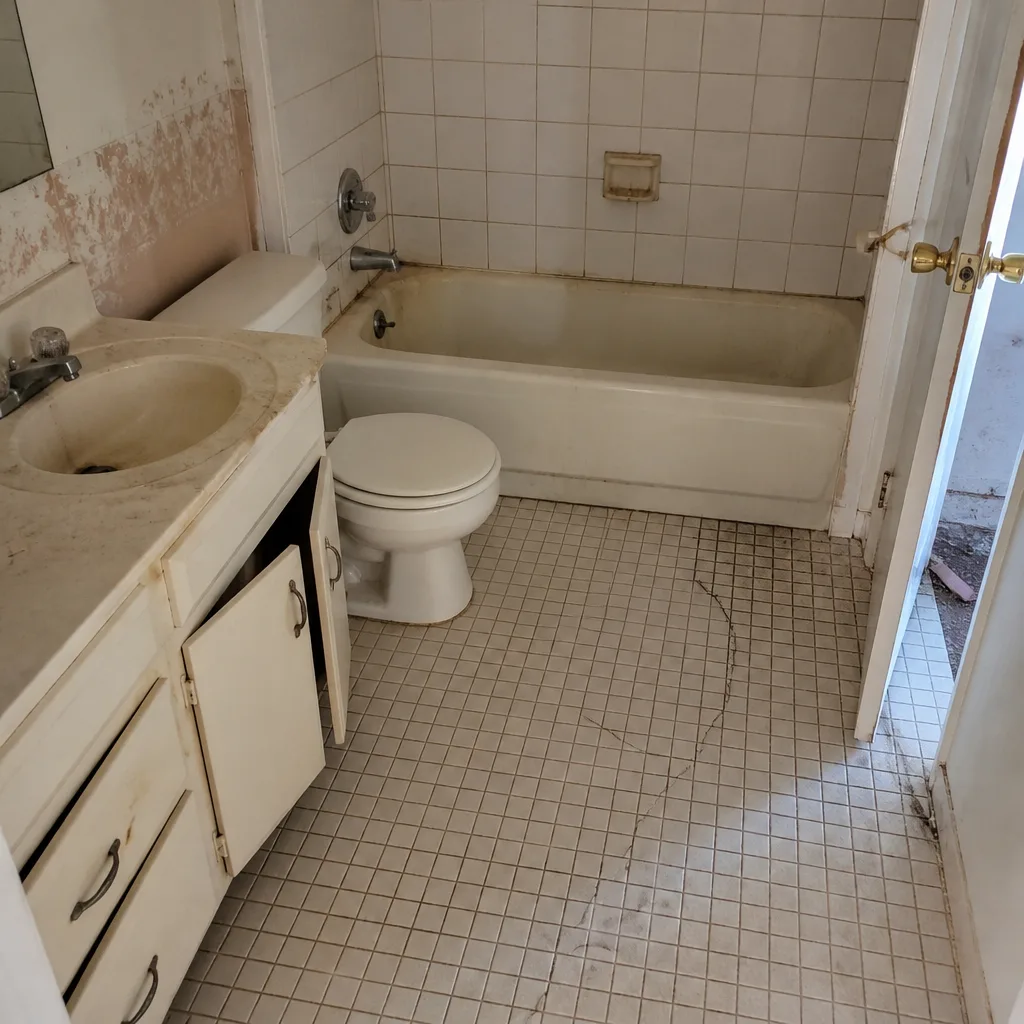 Before
 After
 Before
 After
 Before
 After
When to Call a Professional
Most driveway work is a job for a trained crew, not a weekend project. Call a professional if you’re installing a new driveway or extending an existing one, if pavers have started rocking or settling at the corners, if joints are open or missing sand across a large area, if water is pooling at the garage apron or against the house, or if the base is soft enough that a heavy load visibly deflects it. Also call before any excavation near a utility line, and before you order material for a lot you haven’t had assessed for grade and drainage. Whitman Contractors offers free estimates in Allen. Call (844) 320-7445. Our technicians have up to 13 years of experience, and every estimate is written line by line with fixed pricing and no change orders. We answer 24/7, with fast dispatch from 7am to 7pm, Sunday through Friday.
Frequently Asked Questions
Typical estimated ranges in the Allen market run about $14 to $30 per square foot for concrete pavers, higher for clay brick and higher still for travertine or natural stone. The written estimate on your specific lot sets the final price, and that’s why you want it line by line. Call (844) 320-7445 for an exact quote – estimates are free.
It shouldn’t. A written, line-item estimate with fixed pricing is the whole point of getting a proper quote. The only honest reasons a price changes are conditions nobody could see before excavation, such as buried utilities or a soft subgrade, and those should be documented and agreed before any extra work continues. Call (844) 320-7445 to start with a free written estimate.
When a permit is required, we handle pulling it and arranging the inspection. Whether a permit is required depends on your lot and the scope, and the answer comes from Allen’s building department, not from whichever contractor you happened to call first. We’ll confirm it before the work is scheduled. Call (844) 320-7445 with your address and we’ll walk through it.
A typical residential paver driveway takes a number of working days from excavation to final compaction, and the total depends on square footage, site access and how much cutting the design needs. A straight driveway with easy access moves faster than a curved one on a tight lot. Your written estimate should include a realistic schedule. Call (844) 320-7445 to schedule a free estimate.
Yes, and clay soil is actually the strongest argument for pavers over concrete. Expansive clay moves with moisture, so pavers on a deep, properly compacted base and a restrained edge flex with that movement rather than cracking under it. The base depth is the deciding factor. Call (844) 320-7445 for a site assessment.
Yes, and doing them together is the smartest sequencing. Pavers, fencing and exterior finishes are all material choices with real brand options, and planning them as one scope means the driveway doesn’t get torn up by a project that comes later. Call (844) 320-7445 for a free estimate that covers the whole exterior if you want to see it as one project.
The Bottom Line
In Allen, a driveway succeeds or fails long before the paver is visible. The base, the compaction, the edge restraint and the drainage slope are the four things that decide whether the surface looks new in a decade or starts to settle in a couple of summers. Choose a real brand – Belgard, Unilock, Techo-Bloc, Tremron or Cambridge – but choose a contractor who will write the base depth in the estimate and put the drainage plan on paper. Get line items, not a single number. And if you’re planning more exterior work around the driveway, plan it as one project so the sequencing doesn’t undo your investment. The short version: pick the installer first, the paver second, and get it in writing.
If you’re ready to price the job, call Whitman Contractors at (844) 320-7445 for a free estimate. We answer 24/7, with fast dispatch from 7am to 7pm, Sunday through Friday. Every quote is written line by line, fixed price, no change orders, and any required permits are pulled and inspections passed. Your spec, not ours.
Written by the team at Whitman Contractors.