
Last updated November 17, 2026
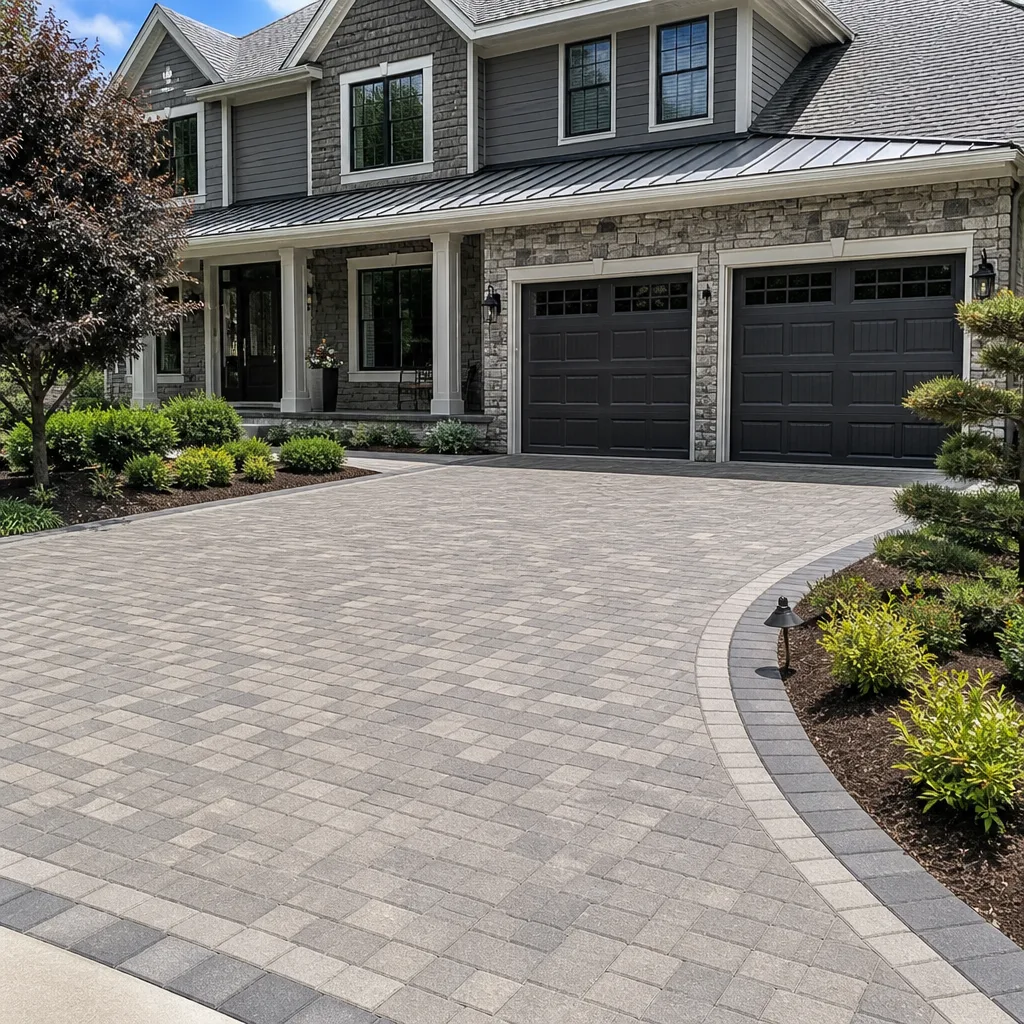 Driveway & pavers
 Kitchen remodeling
 Bathroom remodeling
 Home additions & ADU
 Roofing
 Windows & doors
 Fence
Free written scope consultation - allowances, timeline, and change-order rules on paper before a single trade is scheduled
Driveway & Pavers Maintenance Checklist for Allen Homeowners
The call we get most often about failing pavers in Allen isn’t about cheap stone or heavy trucks. It’s about polymeric sand that washed out two summers ago and nobody noticed. Allen’s storm pattern – long dry stretches broken by hard, fast downpours – sends a wall of water across a driveway that has lost its joint sand, and that water gets under the pavers and starts working on the base. By the time a paver rocks underfoot or a corner drops, the damage has been building underground for a season or more. This guide walks you through what to check, when to check it, and what actually fixes each problem in North Texas conditions.
Quick Answer
Maintain a paver driveway in Allen by inspecting joint sand twice a year, refilling washed-out joints before the next storm season, cleaning efflorescence with a proper neutralizer rather than a pressure washer, and sealing in October when temperatures settle. Check for base failure after every hailstorm and root intrusion every fall. Most driveways here need re-sanding once a year and full sealing every two to three years, and catching joint sand loss early is what keeps a repair from turning into a full reset.
Styles & brands we work with
- Kitchen remodeling
- Bathroom remodeling
- Home additions & ADU
- Roofing
- Windows & doors
- Driveway & pavers
- Fence
Table of Contents
- Why Allen Driveways Fail Differently
- The Post-Storm Inspection Checklist
- Telling Hail Cracks From Settling Cracks
- Efflorescence and Allen’s Alkaline Soil
- The Right Sealing Window in Allen
- Base Failure vs. Surface Failure
- The Live Oak Root Check
- Your Year-Round Maintenance Calendar
Why Allen Driveways Fail Differently
Most driveway maintenance advice online was written for places with different ground and different weather. Allen sits on expansive clay soil with an alkaline pH, and that combination changes what breaks first and how fast. Clay swells when it takes on water and shrinks as it dries, and Allen’s summers swing hard between soaked and baked. A paver base that stays well drained and confined handles that movement. A base with a washed-out joint above it does not, because water finds the weak spot and the clay underneath starts cycling.
The alkaline soil is the second piece. Alkaline ground and alkaline water push mineral salts up through the pavers, and those salts dry on the surface as a white haze. That haze, efflorescence, shows up faster here than in regions with neutral or acidic soil. It isn’t dirt and it isn’t damage. It’s a symptom of moisture moving through the stone, which is why treating it as a cleaning problem alone tends to disappoint people.
Three local conditions drive nearly every failure we see in Allen:
- Storm intensity. Rain here arrives in short, heavy bursts rather than long soaks. That volume of water hits a driveway fast and finds every gap in the joint sand.
- Summer heat. Months near or above 100°F dry the clay and stress sealers, which is why a sealer applied without checking the forecast can fail within a single season.
- Winter swings. January brings freeze-thaw cycles. Water sitting in an open joint freezes, expands, and widens the gap a little further each time.
None of that means a paver driveway is a bad choice in Allen. It means the maintenance schedule has to match the conditions. A driveway here needs attention on a rhythm set by North Texas weather, not by a generic national checklist. Our technicians have up to 13 years of experience with exactly this kind of ground, and the pattern is consistent across Allen neighborhoods.
The Post-Storm Inspection Checklist
Walk your driveway within a few days of any significant storm. Allen’s heaviest rain comes in spring and early summer, with hail possible in the same events. Ten minutes with a broom and a hose tells you most of what you need to know. Do the inspection in this order:
- Look at the joint lines first. Missing sand shows as dark, open gaps between pavers, usually at the bottom of a slope or where the driveway meets the street. That’s where water exits and where sand leaves first.
- Check for rocking pavers. Step on each paver across the drive. Any that rock or sound hollow have lost base support underneath, and joint sand alone won’t fix them.
- Scan for new chips and cracks. Photograph anything new before you sweep, especially after a hail event. Depth and shape matter for both repair and insurance.
- Look for white haze. New efflorescence after a wet stretch means water is moving through the pavers. Note where it appears.
- Check the edges and the street transition. Edge restraint that has shifted lets the whole field spread. A depressed lip at the apron is the most common early warning sign.
- Look at the downspouts. Water dumping onto the driveway from a roof downspout will erode joint sand faster than anything else on the property.
Write down what you find and when. A pattern across two or three inspections tells you whether you’re dealing with normal wear or a base problem that needs a real repair. If you’d rather have someone walk it with you, our driveway & pavers team does exactly that kind of inspection.
Telling Hail Cracks From Settling Cracks
Hail cracks and settling cracks look different once you know what to check, and the difference matters because hail damage is often covered by homeowners insurance while settling is maintenance. Look at the shape, the edges, and the location.
- Hail cracks usually start at a corner or along the top face of a paver, radiating outward in a starburst or spider pattern. The edges are fresh and sharp, and there’s often a matching chip or bruise mark nearby. They appear after a storm, all at once, across multiple pavers in the same area.
- Settling cracks run in straighter lines, often following a joint or crossing a whole paver cleanly. They develop gradually. They cluster where the base has moved: over a utility trench, along the driveway’s low edge, or near the apron.
If you suspect hail, document before you clean or repair anything. Photograph the damaged pavers with something for scale, note the date of the storm, and keep any receipts for temporary cleanup. Then call your insurer before you call anyone else. Repair work done before an adjuster sees the damage can complicate a claim. Once the claim side is settled, replacing individual hail-damaged pavers is a contained job, and matching the existing stone is the main thing to plan for. Keep a few spare pavers from any installation for exactly this reason. Our Whitman Contractors team can help you source matching material from Belgard, Unilock, Techo-Bloc, Tremron, or Cambridge Pavers if the original isn’t on hand.
Efflorescence and Allen’s Alkaline Soil
Efflorescence is a white, powdery salt deposit that rises to the surface of concrete pavers as moisture moves through them. In Allen, the alkaline soil and alkaline water supply plenty of salt, and the strong wet-dry cycle pulls it up fast. It shows up within weeks of a wet period, often on the shaded side of the driveway or wherever water lingers longest. It is not mold, and it is not a sign the pavers are failing.
What matters is how you remove it. The instinct is to pressure wash it off, and that’s the wrong move. Pressure washing drives water deeper into the pavers, which brings more salt up on the next dry cycle. It also blasts out joint sand, which makes the underlying problem worse. You end up with a driveway that looks clean for a month and hazes over again, now with open joints.
The correct treatment is a dedicated efflorescence neutralizer, which dissolves the salt rather than pushing water into the stone. Apply it according to the product instructions, rinse gently with low pressure, and let the paver dry completely before you judge the result. Some haze returns within a season because the source of moisture is still there, and the answer is to fix the moisture path, not to attack the surface again.
Three things reduce recurrence:
- Redirect downspouts so roof water doesn’t cross the driveway.
- Keep joints filled so water runs off the surface rather than into the base.
- Seal on the right schedule, which we cover next.
If white haze keeps coming back to the same spot in Allen, that area has a persistent moisture source. Finding it is worth more than any cleaning product.
The Right Sealing Window in Allen
October is the best month to seal a paver driveway in Allen. Spring sealing is the common mistake, and the reason is temperature. Sealers need moderate temperatures to cure properly, and they need to be applied when the surface won’t be stressed by heat or by freezing within the cure window. Allen’s October typically offers that window. Spring here can jump straight from cool to hot, and a sealer that cures too fast under early summer sun can fail or haze.
Cure conditions matter both ways. October sits comfortably between the 100°F summer and the January freeze-thaw swings, so the sealer has time to set before the ground starts cycling. Applying in spring often means racing the first heat wave, and applying too late in fall risks a freeze before the film has fully cured.
A sealer does three jobs: it holds joint sand in place, it slows water absorption, and it keeps the surface looking consistent. It does not fix a bad base, replace missing joint sand, or substitute for a repair. Seal a driveway only after the joints are full and any loose pavers are reset, or you’re locking a problem under a film.
Expect to reseal every two to three years in Allen conditions. Our technicians have up to 13 years of experience and will tell you honestly whether a driveway is ready to seal or needs prep first. A written estimate sets the scope before any work starts.
Base Failure vs. Surface Failure
This is the distinction that decides whether you need a repair or a full reset, and it’s the one most homeowners get wrong. Surface problems live in the top inch: lost joint sand, efflorescence, worn sealer, a chipped or cracked paver. Base problems live in the layer underneath, and they show up differently.
A surface failure usually costs little and can be handled with sand, cleaner, and sealer. A base failure means the compacted gravel and bedding layer under the pavers has moved, settled, or lost confinement, and the pavers on top are just following it down. Test the difference with these signals:
- Rocking pavers. If pavers rock when you step on them, the bedding under them has loosened. That’s base.
- Depressions or low spots. A dip that holds water and grows over a season is base settlement, not surface wear.
- Spread edges. Edge restraint that has pushed out and opened gaps lets the whole field move. Base.
- A single cracked paver with stable neighbors. Usually surface, often impact damage. Replace it and move on.
- Widespread cracking in a line. Often follows a settled base or a trench. Worth a professional look.
Localized base repair means lifting the affected pavers, re-compacting the bedding, and relaying them. A full reset means pulling up the field and rebuilding the base, which is a much larger job. Getting the diagnosis right the first time is what keeps a small repair small. For anything beyond a single loose paver, have it assessed. If the project grows into a larger outdoor rebuild, we handle that alongside fence installation and other exterior work so the whole property stays coordinated.
The Live Oak Root Check
Allen has established live oak canopy across many older neighborhoods, and those roots run shallow and wide. A live oak twenty feet from a driveway can still push roots under its edge within a few years. Root intrusion lifts pavers at the perimeter first, and it rarely stops on its own.
Do a root check once a year, in fall when the ground is workable. Walk the driveway edge nearest any mature tree and look for pavers that have lifted in a line or a curve, not at random. Feel for a firm, rounded lift with soil cracking along the joint. Then look at the tree side: surface roots running toward the driveway confirm the cause.
- Mark the lifted pavers with chalk so you can track whether the lift grows between checks.
- Trace the edge from the tree toward the driveway and note where roots cross the boundary.
- Photograph the pattern and compare it next fall.
- Call a professional before cutting roots near a mature tree yourself. Cutting the wrong root can destabilize the tree, and in some cases a tree of that size needs a permit or an arborist’s review before work.
The right fix usually involves a root barrier installed along the driveway edge, plus resetting the pavers that lifted. That’s a job for a trained crew, and it’s one we take on regularly in Allen. If the driveway repair comes alongside a bigger outdoor plan, our home additions & ADU team can coordinate the site work so nothing gets torn up twice.
Your Year-Round Maintenance Calendar
A driveway in Allen asks for a small amount of attention at the right times. Spread across the year, it’s a few hours total. Do these in order:
- Spring (March to May). Do a full inspection after the first big rain event. Refill any joints that lost sand over winter. Check downspouts and edge restraint. Note any new hail damage from spring storms.
- Early summer (June). Clean efflorescence with a neutralizer if it appeared. Avoid heavy work on the surface during the hottest stretch.
- Late summer (August). Check for new low spots and rocking pavers after the dry season. This is the best time to book a base inspection, before fall.
- Fall (September to November). Do the annual live oak root check. Refill joints. Seal in October when temperatures moderate.
- Winter (December to February). Inspect after any freeze-thaw stretch. Address any lifted or cracked pavers before spring storms arrive.
Keeping a log of what you did and when helps you spot trends, and it helps any professional who walks the property later. A driveway that gets this rhythm stays serviceable far longer than one that gets attention only after something fails.
Common Mistakes to Avoid
- Pressure washing efflorescence. It drives water in and brings more salt up, and it strips joint sand in the process. Use a proper neutralizer and low pressure instead.
- Sealing in spring. Allen’s spring heat can cure a sealer too fast and cause hazing. October is the reliable window.
- Refilling joints with builder’s sand. It washes out with the first hard rain. Polymeric sand is what holds joints through an Allen storm season.
- Ignoring a single rocking paver. One loose paver lets water into the base at that spot, and the problem grows from there. Fix it early.
- Cutting live oak roots without advice. A healthy tree is worth more than a driveway edge, and the wrong cut damages both. Get it assessed first.
- Repairing before an insurance adjuster sees hail damage. Document hail damage first, then repair. Doing it in the other order can cost you the claim.
- Assuming white haze means “dirty.” Efflorescence is a moisture signal, not dirt. Treating it as a cleaning problem hides the real issue.
See the difference
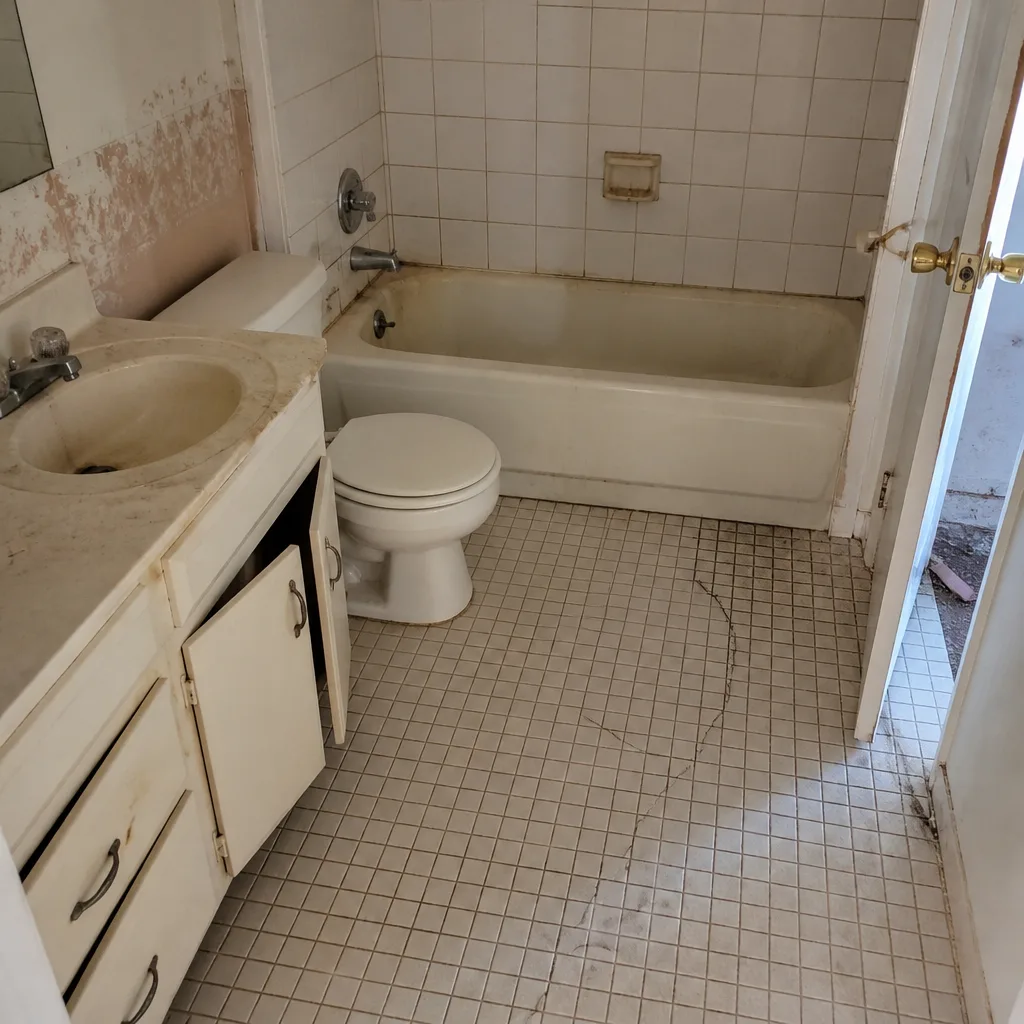 Before
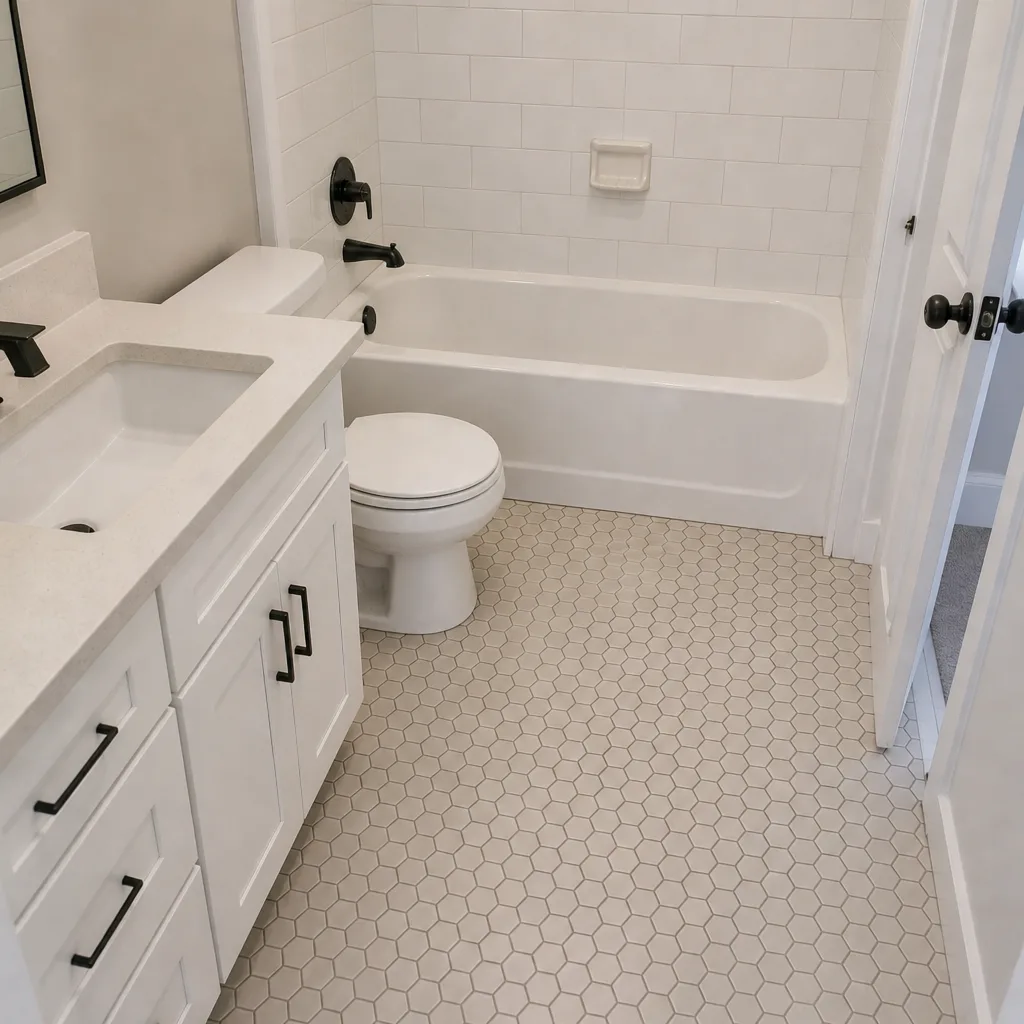 After
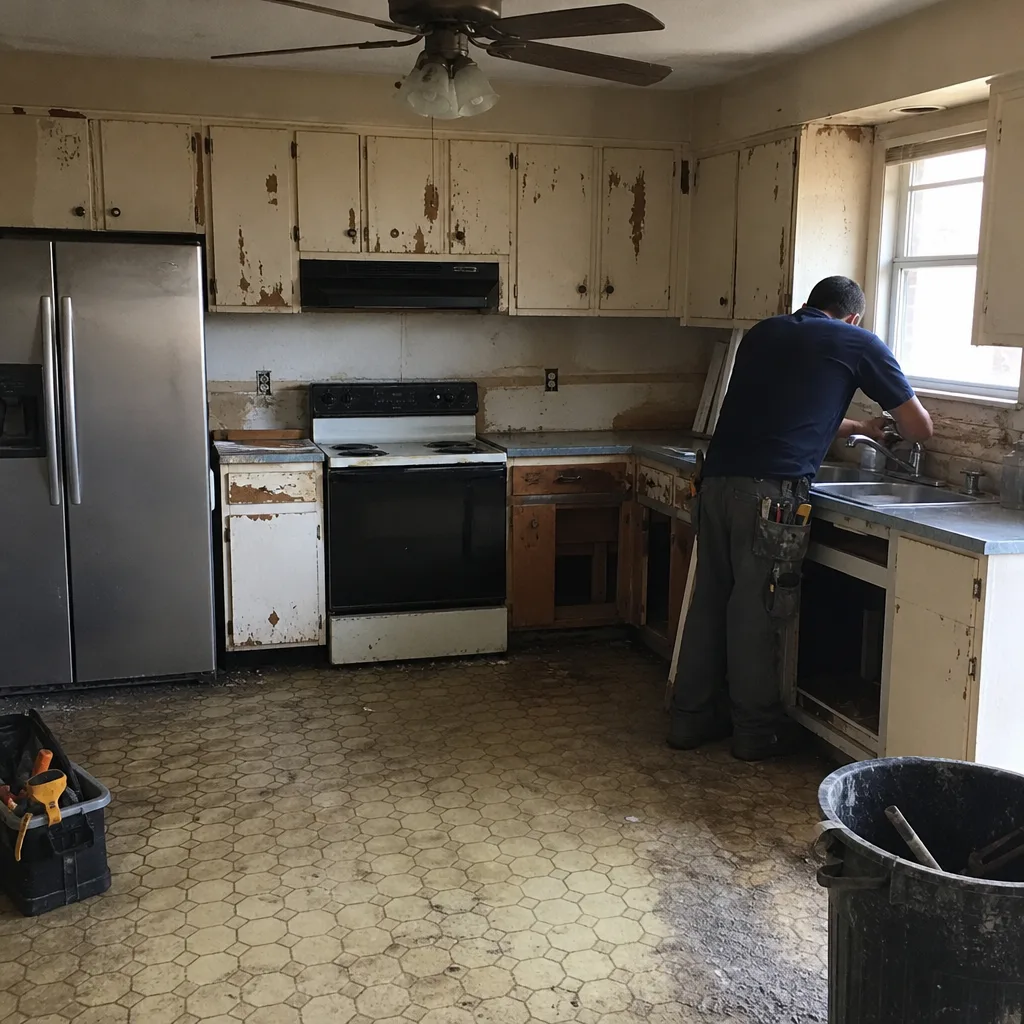 Before
 After
 Before
 After
When to Call a Professional
Call a professional when pavers rock underfoot, when a low spot holds water and keeps growing, or when the edge restraint has moved and the field has spread. Those point to base failure, and no amount of sand and sealer fixes a base problem. Call after any hail event if multiple pavers cracked at once, so the damage gets documented before repair. Call if you’re unsure whether you’re looking at efflorescence or damage, or if the white haze keeps returning to the same area despite cleaning. Call before cutting any root near a mature live oak. And call before sealing a driveway that has loose pavers or open joints, because sealing over a problem traps it. Whitman Contractors offers free estimates in Allen – call (844) 320-7445.
Frequently Asked Questions
Seal a paver driveway in Allen every two to three years, applied in October. Spring sealing is the most common mistake here because the heat can cure the film too fast and leave it hazy. The written estimate sets the scope before work begins. Call (844) 320-7445 for an exact quote – estimates are free.
White haze on pavers in Allen is efflorescence, a mineral salt deposit that rises to the surface as moisture moves through the stone. It’s more common here because the soil and water are alkaline. Clean it with a dedicated neutralizer and low pressure, never a pressure washer. Call (844) 320-7445 if it keeps coming back.
Hail cracks on pavers are often covered by homeowners insurance, unlike settling cracks, which are usually treated as maintenance. Document the damage with photos before you clean or repair, then contact your insurer. We can help with the repair once the claim is settled. Call (844) 320-7445 for a free estimate on the repair work.
A repair fixes surface issues – lost joint sand, efflorescence, a chipped paver – while a full reset is needed when the base has moved. If pavers rock, if low spots keep growing, or if the edges have spread, that’s a base problem. Have it assessed before spending on surface fixes. Call (844) 320-7445 for an honest diagnosis.
October is the best time to seal a driveway in Allen. Temperatures are moderate enough for the sealer to cure properly, sitting between the summer heat and the winter freeze-thaw swings. Do it after joints are full and any loose pavers are reset. Call (844) 320-7445 to schedule the prep and sealing.
You can handle routine maintenance – pulling weeds, sweeping, refilling a joint with polymeric sand – on your own. Base repair, root intrusion, and full re-sanding call for a professional, because the diagnosis is the hard part. Call (844) 320-7445 if you’re unsure which kind of job you have.
The Bottom Line
Allen’s alkaline clay, storm pattern, and hot summers put a specific kind of stress on a paver driveway, and the maintenance that works here isn’t the same as what works in other regions. Inspect joint lines after every big rain. Fill joints before the next storm season. Treat efflorescence with a neutralizer, not a pressure washer. Seal in October. Check for live oak roots every fall. And learn the difference between a surface problem and a base problem, because that’s the line between a small repair and a full reset. Do those things, and a driveway holds up. Skip them, and the fix gets more expensive.
Whitman Contractors is a full-scope general contractor for North Texas homeowners, working across seven service categories from driveway to roofline. We work with hardscape materials from Belgard, Unilock, Techo-Bloc, Tremron, and Cambridge Pavers, and we handle exterior envelope work including roofing systems from GAF, CertainTeed, and Owens Corning – so when a driveway repair comes alongside a roof or fence project, you’re working with one accountable contractor rather than a rotating cast. Our technicians have up to 13 years of experience in Allen conditions.
Call (844) 320-7445 for a free estimate. We answer 24/7. Fast dispatch from 7am to 7pm, Sunday through Friday. Closed Saturday.
Written by the team at Whitman Contractors.