
Last updated November 17, 2026
 Kitchen remodeling
 Bathroom remodeling
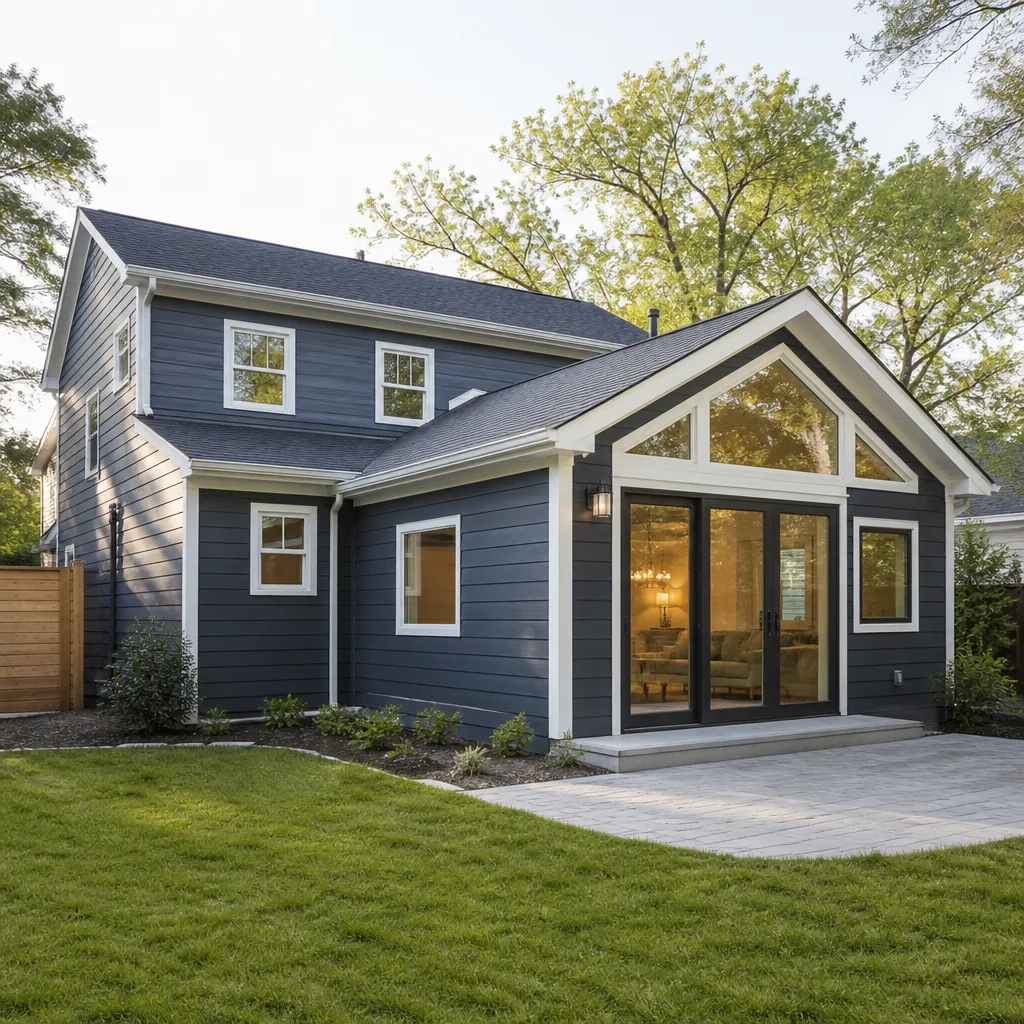 Home additions & ADU
 Roofing
 Windows & doors
 Driveway & pavers
 Fence
Free written scope consultation - allowances, timeline, and change-order rules on paper before a single trade is scheduled
How to Hire a Construction Contractor in Allen: A Step-by-Step Guide
Three bids tells you who is cheapest. It tells you almost nothing about who will finish the job. Most homeowners in Allen assume they’re comparing like-for-like professionals, then discover after the deposit clears that the person who signed the contract and the crew on the property are two different things entirely. Verification beats negotiation every time, and this guide is built around that idea. You’ll learn how to check a contractor’s actual licensing, pull their permit history, read a Texas contract for the clauses that matter, and spot the boom-cycle red flags that a low bid is designed to hide.
Quick Answer
The right way to hire a construction contractor in Allen is to verify first and negotiate second: confirm the contractor’s Texas licensing and permit history, get a written line-item estimate, check who actually performs the work, and lock down the contract clauses that cover changes and warranty. A license on paper doesn’t prove the crew executes well, so you check the paper trail and the crew separately. Then you compare bids that are built on the same scope.
Styles & brands we work with
- Kitchen remodeling
- Bathroom remodeling
- Home additions & ADU
- Roofing
- Windows & doors
- Driveway & pavers
- Fence
Table of Contents
- Quick Answer
- Why a License Alone Doesn’t Tell You Anything Useful
- What Texas Licensing Classifications Actually Authorize
- How to Pull an Allen Permit History on a Contractor
- The Contract Clauses That Are Non-Negotiable in Texas
- Why Subcontractor Disclosure Changes Everything
- Red Flags Specific to Allen’s Boom-Cycle Market
- The Step-by-Step Hiring Process
- Common Mistakes to Avoid
- When to Call a Professional
- Frequently Asked Questions
Why a License Alone Doesn’t Tell You Anything Useful
Of the complaints filed with the Texas Department of Licensing and Regulation from Collin County homeowners in 2023, the majority involved contractors who were technically licensed. Sit with that for a second. The homeowner did the thing everyone tells you to do. They asked “are you licensed?” and got a yes. Then the project went sideways anyway.
The mistake is treating a license as a quality signal. It isn’t. A license is a permission slip. It says the contractor met a baseline requirement to legally offer certain work. It says nothing about whether their crew shows up on time, whether they pass inspections the first time, or whether the tile in your Allen bathroom is set on a substrate that will survive five summers of Texas heat.
What a license does buy you is recourse. If a licensed contractor does poor work, you have a paper trail and a complaint process. If an unlicensed one does, you have a name and a phone number that may or may not still work next month. That matters. But it’s a floor, not a ceiling.
So the real question isn’t “are you licensed?” It’s “licensed for what, executing how, with whom?” Those are three separate checks, and most homeowners only run the first one. The rest of this guide walks through all three.
What Texas Licensing Classifications Actually Authorize
Most homeowners don’t know there are distinct license categories in Texas, and that’s exactly where problems start. Texas doesn’t issue one universal “contractor license.” Different scopes of work fall under different regulatory structures, and a license in one category doesn’t automatically cover another.
Residential construction in Texas is regulated in ways that are more fragmented than most people expect. The Texas Department of Licensing and Regulation oversees several trades, and certain specialties require state licenses or registrations while general residential building does not always fall under a single state umbrella the way it does in some other states. Local jurisdictions like Allen add their own layer through permitting and inspection.
Here’s what to confirm before you hire:
- Which scope the contractor is actually authorized for. Roofing, electrical, plumbing, HVAC, and structural work all have different requirements. A contractor who’s licensed or registered in one area isn’t automatically cleared for another.
- Whether the specialty trades on your job are subcontracted to licensed individuals. The general contractor’s license covers their role; the electrician pulling wire and the plumber running lines need their own credentials.
- Whether the contractor is registered to do business in Texas at all. An out-of-state LLC can present a professional-looking packet and still not be set up to pull permits locally.
- Whether they’ll put their license or registration number in writing on the estimate. Contractors who are legitimate have no reason to hesitate on this.
Ask the question directly: “What classification is your license, and what specifically does it authorize on my project?” A contractor who can answer in plain language is telling you something. So is one who can’t.
How to Pull an Allen Permit History on a Contractor
This is the step almost nobody takes, and it’s the single most revealing thing you can do. Every permitted project in Allen goes through the city’s building department, which means there’s a record of who pulled it and whether it passed inspection. That’s a track record you can actually read.
Most cities, Allen included, give homeowners a way to look up permit activity through the city’s building department or online permit portal. You can search by contractor business name, address, or permit number depending on how the system is set up. If the online tools are limited, a call to the building department gets you there.
Here’s what to look for once you have the history:
- Volume. A contractor with dozens of permits in Allen and surrounding Collin County is working here regularly. That doesn’t automatically mean good, but it means they know the local inspectors and the local code quirks. A contractor with no permit history in the area is a stranger to the local process.
- Pass/fail patterns. Failed inspections happen, and a single failure isn’t a red flag. Repeated failures on the same type of work suggest the crew is cutting corners or doesn’t know the code. Ask the contractor directly about any pattern you see.
- Finalized vs. open permits. A permit that never received final sign-off is a project that didn’t close out cleanly. If a contractor has a stack of open permits, that’s a signal about how they finish jobs.
- Scope match. If you’re hiring for a home addition or ADU, look for permit history on structural and addition work, not just small cosmetic jobs. Pulling a permit history on a bathroom renovation contractor tells you nothing about whether they can run an addition.
Bring what you find to your next conversation. A contractor who welcomes the questions and can explain their history is showing you how they’ll handle the questions that come up mid-project.
The Contract Clauses That Are Non-Negotiable in Texas
The Texas Property Code requires certain protections in residential construction contracts, and a contract that skips them is a contract you shouldn’t sign. But the required clauses are the floor. The clauses that actually prevent end-of-project disputes are the ones most contracts leave out.
Start with what should always be there: a clear scope of work, a total price and payment schedule, a start and completion date or a reasonable estimate of duration, a description of how changes are handled, and signatures from both parties. Texas law also addresses mechanics liens and the notices that protect homeowners from them, so make sure your contract and any lien waivers are consistent with those requirements.
Then look for these two clauses, which are the ones most residential contracts omit and which cause the most disputes at project close:
- A written change-order process with pricing before work begins. Without it, verbal changes during the build become a billing argument at the end. Every change should be in writing, priced, and signed before anyone touches the scope. This is where “the price went up” stories come from.
- A defined punch-list and completion standard with a holdback provision. The contract should say what “complete” means, how the final walkthrough happens, how long the contractor has to fix punch-list items, and what portion of the payment is held until the punch list is cleared. Without this, final payment and final corrections get tangled together and nobody has leverage.
A written line-item estimate and fixed pricing with no change orders should be standard on your project. If the contractor resists putting the change-order process in writing, that’s the whole answer about how the project will go.
Why Subcontractor Disclosure Changes Everything
The person who signs the contract and the crew who show up on your Allen property are often not the same people. That’s not automatically a problem. For specialized work like electrical, plumbing, roofing, or masonry, subcontracting is normal and often smart. The problem is not knowing who’s coming.
Here’s the question that reveals it: “Who will actually be on my job site doing the work, and will those people be your employees, your regular subcontractors, or whoever’s available that week?”
That question is designed to catch three different situations. A general contractor with established trade partners will tell you who covers what and introduce the leads. A contractor using a rotating cast of whatever subcontractors are free that week will get vague. And a contractor who plans to send day labor to your kitchen gut-and-rebuild will do everything to avoid answering.
Why it matters for a full-scope project: if you’re renovating a kitchen and bathroom and replacing the roof in the same span, you’re working with an electrician, a plumber, a tiler, a cabinet installer, a countertop fabricator, roofers, and probably a drywaller. That’s a lot of separate people to coordinate. When one contractor handles every phase at once, the buck stops in one place. When you’re managing the rotation yourself, you become the coordinator, and every handoff between trades is a place where something gets missed.
Ask who’s licensed, ask who’s carried on which insurance, and ask how the leads on each trade are vetted. The answer tells you whether your project is a single accountable job or a collection of separate hires dressed up as one.
Red Flags Specific to Allen’s Boom-Cycle Market
Allen has been through years of rapid residential growth, and rapid growth attracts contractors who are here for the cycle rather than the career. The red flags in this market are different from the ones you’d look for in a slower, older city.
- Out-of-state LLCs registered after 2020. An LLC registered in another state that only recently set up shop in Texas is a risk because there’s no local track record to check. It doesn’t mean they’re bad, but it means you have less to go on, so verification has to be more thorough.
- No local supplier relationships. Contractors who work in Allen regularly have relationships with local material suppliers and know delivery schedules. A contractor who can’t tell you where materials will come from or who they source from is likely scrambling for supply on every job.
- Blank or vague warranty language. A warranty that says “workmanship guaranteed” without specifying duration, scope, exclusions, and what triggers a claim is a warranty that will mean nothing at the worst possible time. Ask for the actual language in writing.
- Estimates with no line items. A single lump-sum price with no breakdown is nearly impossible to compare and impossible to enforce. You want a written, line-item estimate so both parties know what’s covered.
- Deposit structures that ask for a big chunk up front. Large upfront deposits are common in boom markets and dangerous for homeowners. Payment schedules should be tied to milestones and completion, not just a signing date.
- Pressure to sign fast. Real contractors don’t need to close you before you’ve had time to check permits, references, and the license. Urgency is a sales tactic, not a service.
The Step-by-Step Hiring Process
Here’s the process in the order it should happen. The temptation is to skip ahead to bids, but the earlier steps are what let you evaluate the bids intelligently.
- Define your scope before you call anyone. Write down what you want done, the rooms or areas involved, any materials you have opinions about, and a realistic budget range. A vague ask gets a vague bid.
- Verify the license and registration. Confirm what classification the contractor holds, what it authorizes, and that they’re registered to do business in Texas. Get the number in writing.
- Pull the Allen permit history. Look up their business name in the city building department records. Note volume, pass/fail patterns, and open permits.
- Request the references and call them. Not just reviews on a website. Ask for recently completed projects similar in scope to yours and call the homeowners.
- Ask who performs the work. Get names of the lead trades and confirm which of them are licensed, insured, and long-term partners rather than whoever’s available.
- Get a written line-item estimate. The scope, materials, labor, and allowance items should all be broken out. Compare two or three estimates on the same scope, not on price alone.
- Read the contract for the change-order and completion clauses. Confirm how changes get priced and how the punch list and final payment are handled before anyone signs.
- Confirm permits and inspections. Ask directly: who pulls the permits, and who’s responsible for inspection coordination and passing final? Get it in the contract.
This process takes time. It also eliminates most of the ways a residential project goes wrong, which is a fair trade.
Common Mistakes to Avoid
- Comparing three bids without comparing three scopes. If each bid describes different work, cheapest tells you nothing. Standardize the scope before you take bids.
- Trusting the license and stopping there. TDLR complaints in Collin County routinely involve licensed contractors. The license was never the quality check; the permit history and crew are.
- Not checking whether the crew on the property is the crew you met. The people in the sales conversation are rarely the people laying the tile. Ask who shows up and how long the leads have worked with that contractor.
- Signing a contract with no change-order process or completion standard. These are the two omissions that produce billing disputes at the worst moment, right when you’re trying to close the project.
- Accepting a warranty without the language. “Workmanship guaranteed” doesn’t get you anywhere. Ask for duration, exclusions, and how to file a claim, in writing.
- Skipping the permit verification for interior work. Even bathroom and kitchen renovations often require permits for plumbing, electrical, and structural changes. Unpermitted work becomes your problem when you sell.
- Paying too much upfront. A boom-cycle market is full of contractors who need money to start. Payment should be tied to milestones, not to the signing date.
When to Call a Professional
Not every project needs a contractor, but several situations clearly do. Any structural change, any work that touches electrical or plumbing behind the walls, any addition or ADU, any full roof replacement, and any major kitchen or bathroom rebuild all belong in the hands of a licensed professional. In Allen, that also means the work gets permitted and inspected, which protects you when the property is appraised or sold.
If you’re planning a project that spans multiple trades, like a kitchen gut-and-rebuild that needs new cabinets, countertops, plumbing fixtures, and lighting, working with one contractor across every phase is far easier than coordinating four specialists yourself. From the driveway to the ridge line, the full envelope of a home can be handled through a single point of contact, which is where we come in at Whitman Contractors. Our technicians have up to 13 years of experience, and we bring a brand roster that spans everything from Whitman Contractors roofing systems to kitchen and bath finishes. We offer free estimates in Allen. Call (844) 320-7445. We answer 24/7. Fast dispatch from 7am to 7pm, Sunday through Friday.
Frequently Asked Questions
Start with the Texas Department of Licensing and Regulation to confirm what classification a contractor holds and what it authorizes, then confirm their registration to do business in Texas. Ask the contractor to put their license or registration number in writing on the estimate. A contractor who can’t or won’t is a contractor who’s told you what you need to know. Call (844) 320-7445 for an exact quote on your project; estimates are free.
Yes. Allen’s building department maintains permit records, and most jurisdictions offer a public lookup through an online permit portal or a call to the department. Search by contractor business name to see their permit volume, pass/fail inspection patterns, and any open permits. Then ask the contractor to explain what you find. Call (844) 320-7445 to schedule a free estimate with us.
A Texas residential contract should include the scope of work, total price and payment schedule, start and completion timing, how changes are handled, lien-related notices, and signatures from both parties. The two clauses most contracts omit, and the ones that cause disputes at project close, are a written change-order process with pricing before work begins and a defined punch list with a payment holdback tied to completion. Call (844) 320-7445 for a written, line-item estimate.
Often, yes. Bathroom and kitchen renovations that move plumbing, add electrical circuits, or alter structural elements typically require permits and inspections. Cosmetic updates like paint and surface finishes usually don’t. Confirm with the Allen building department before work starts, and ask your contractor directly who is pulling the permit and coordinating inspections. Call (844) 320-7445 to talk through your project; estimates are free.
A bathroom remodel typically takes a few weeks. A full kitchen gut-and-rebuild generally takes longer, and adding a roof replacement or window upgrades to the same period changes the sequencing. Timelines depend on material lead times, inspection scheduling, and whether the house is occupied during the work. Ask for the projected schedule in the written estimate. Call (844) 320-7445 for a free estimate.
Not on a properly written contract. The written line-item estimate is the number. If the scope changes, a change order gets priced and signed before any work on that change begins. Without a written change-order process, verbal additions during the build create end-of-project billing disputes. That’s why we put it in writing from the start. Call (844) 320-7445 for an exact quote.
The Bottom Line
Hiring a contractor in Allen is a verification exercise, not a negotiation. Confirm the license and what it authorizes. Pull the Allen permit history and read the pass/fail pattern. Ask who actually shows up on the job site. Get a written line-item estimate, then read the contract for the change-order and completion clauses that prevent disputes at project close. Cheapest rarely survives contact with a real project. Verified does. When you’re ready to price a project, we’re here for it, and our brand roster in every category lets you choose materials rather than accept whatever one supplier carries. Call (844) 320-7445. We answer 24/7. Fast dispatch from 7am to 7pm, Sunday through Friday.
Written by the team at Whitman Contractors.
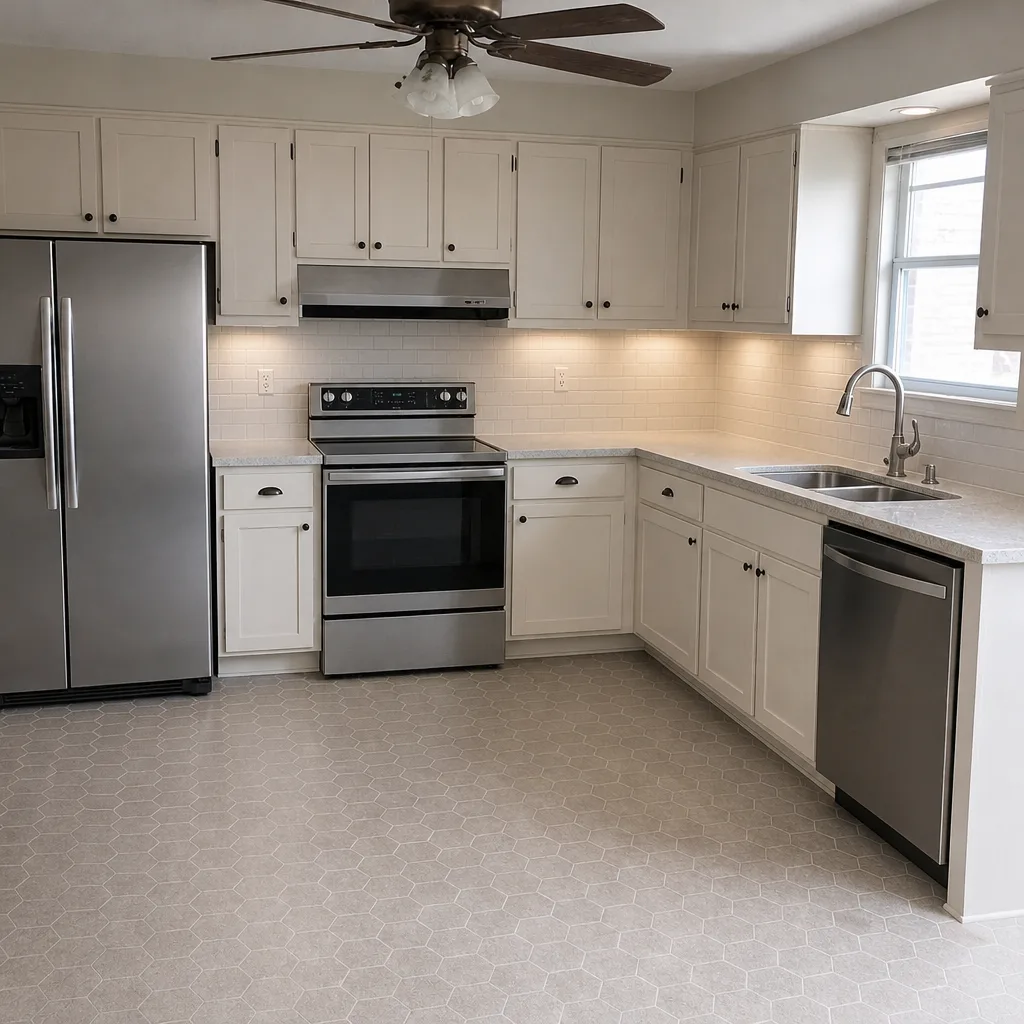
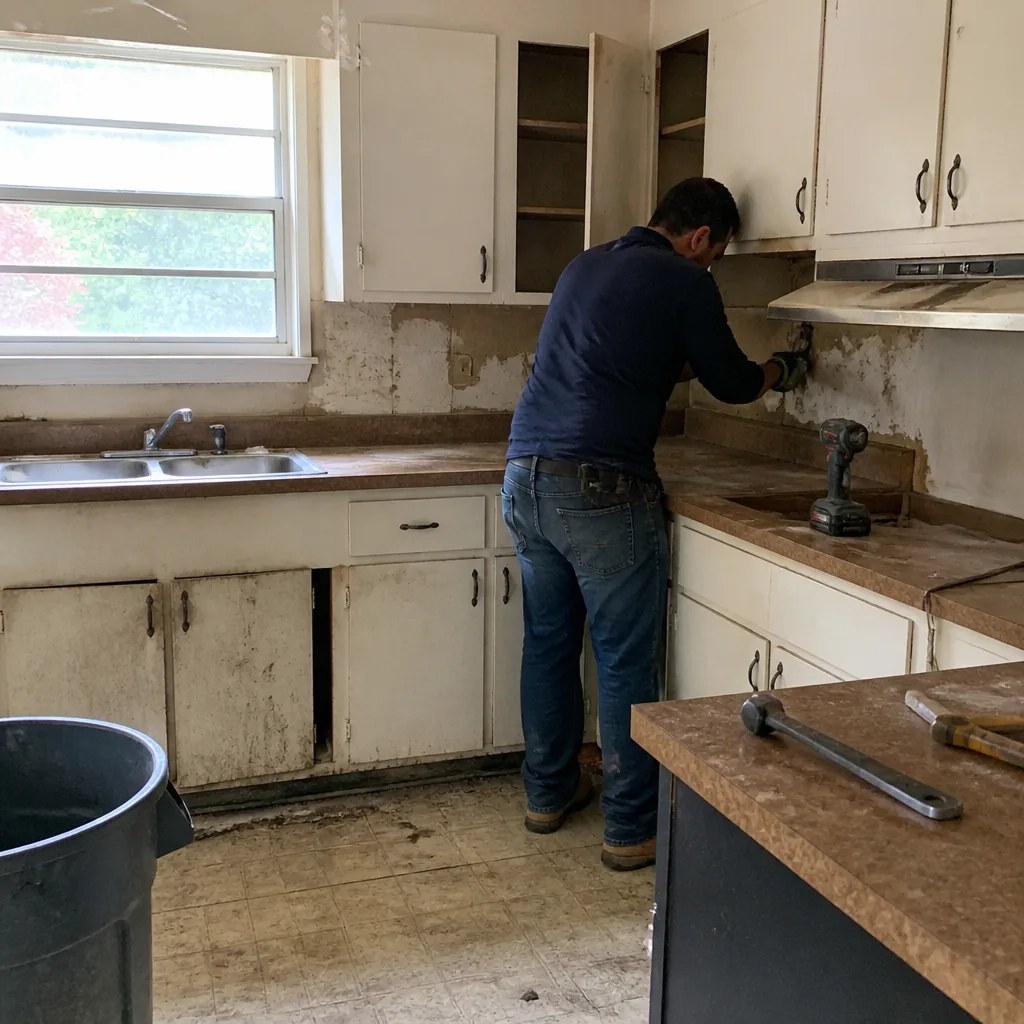
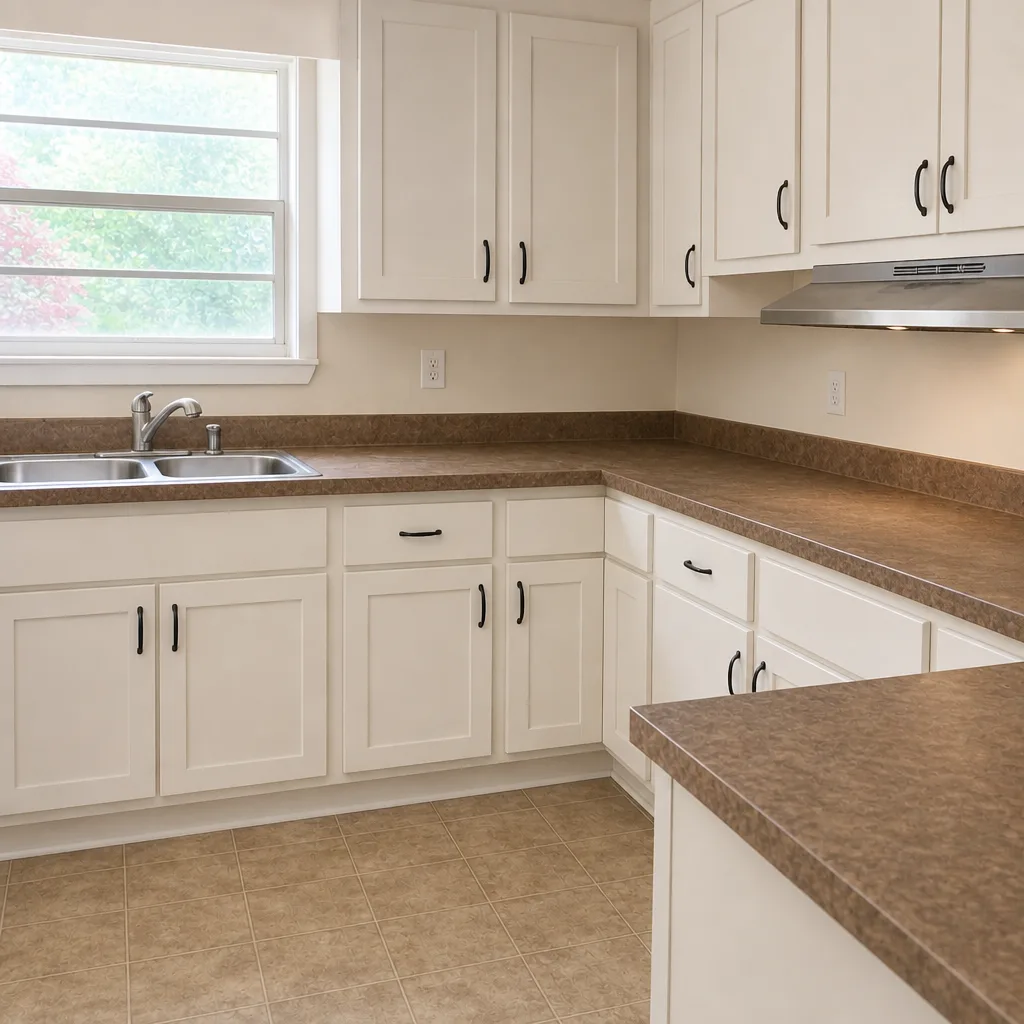
See the difference
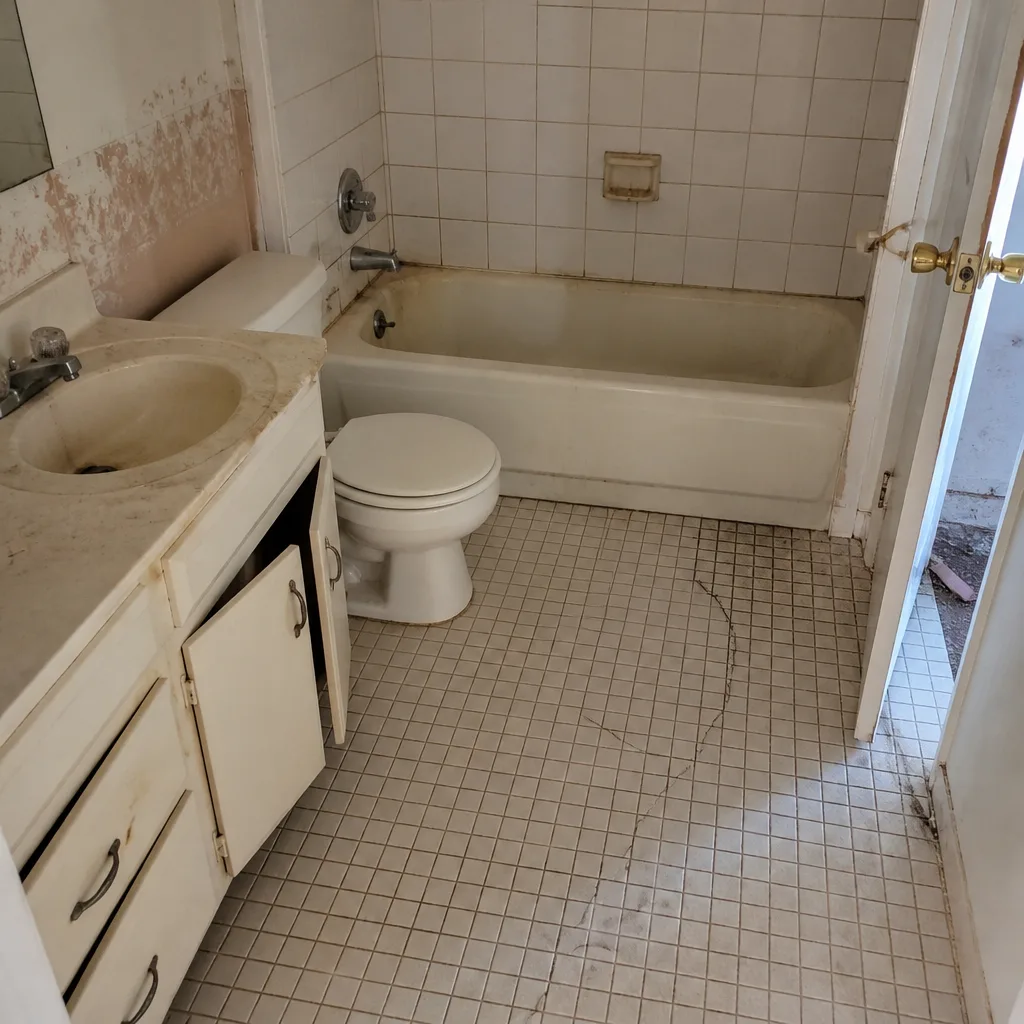 Before
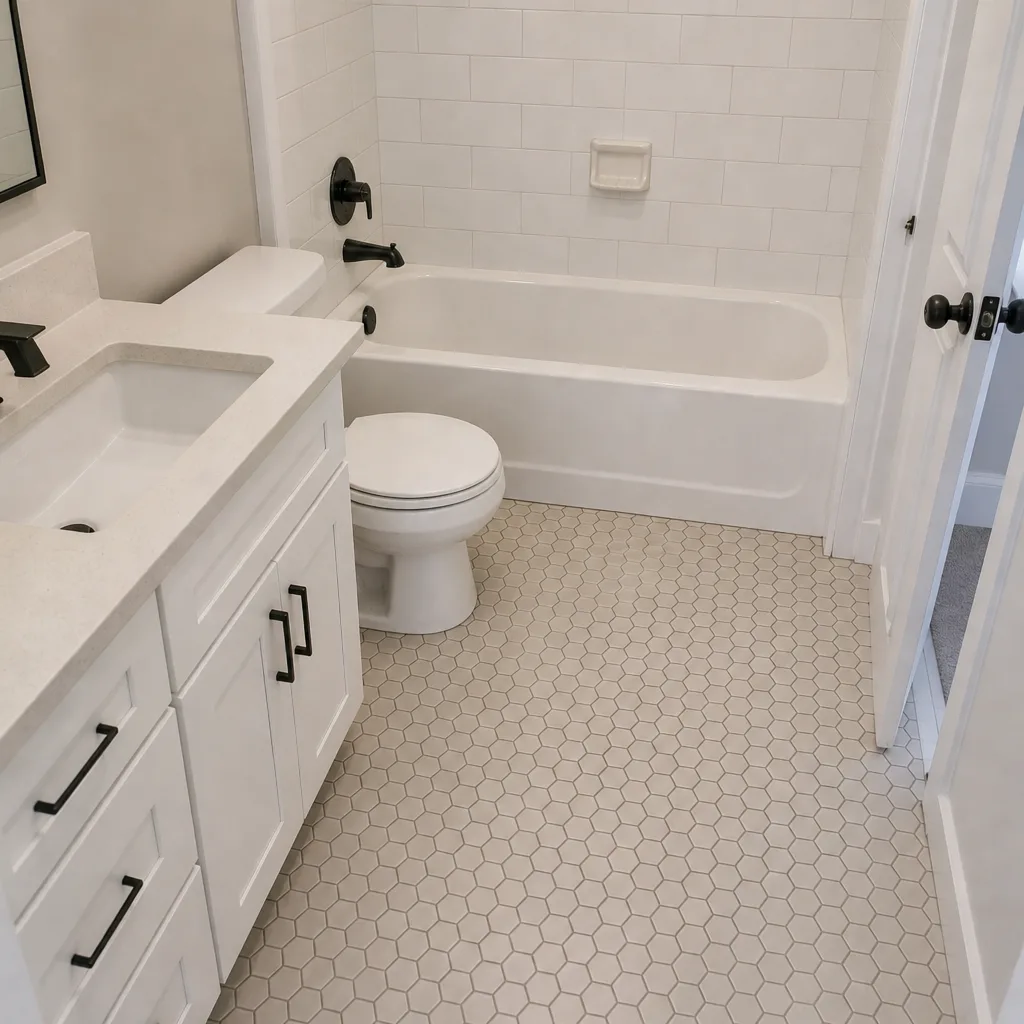 After
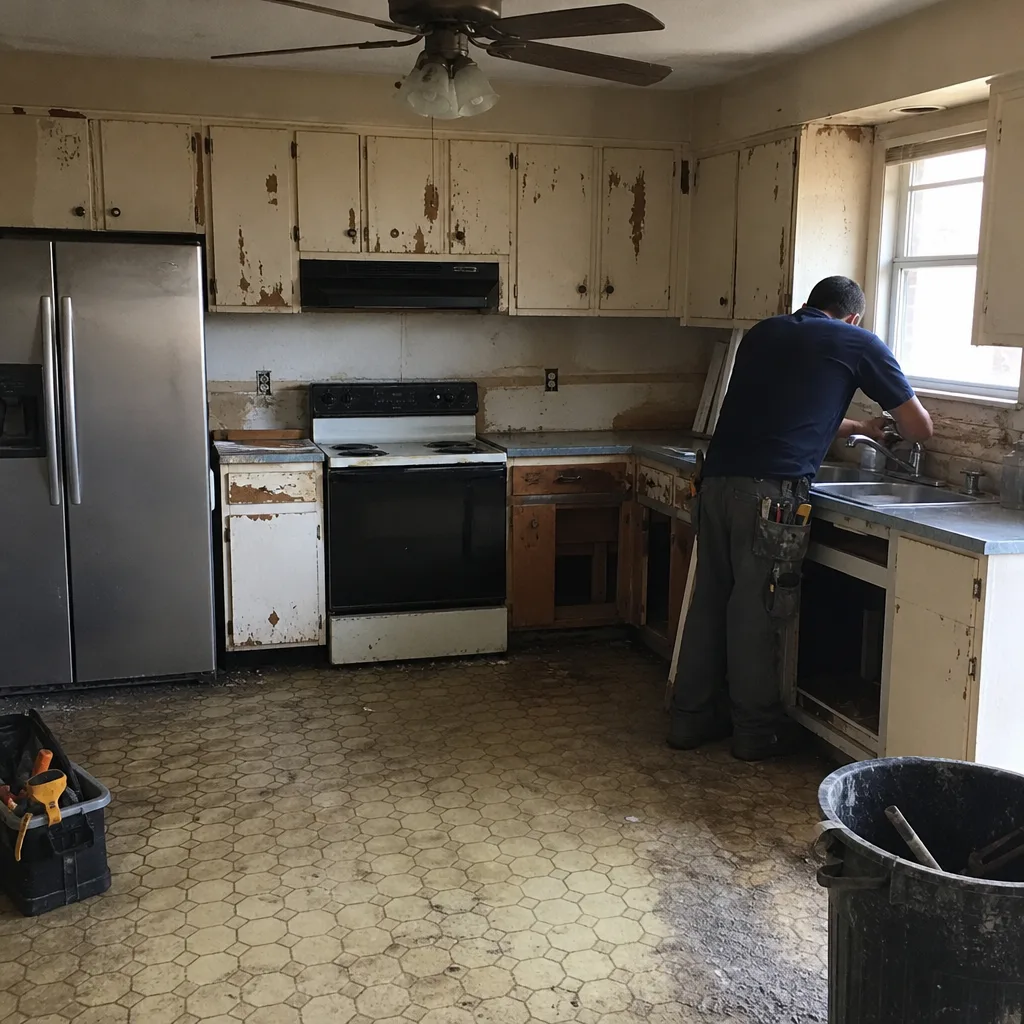 Before
 After
 Before
 After