
Last updated November 17, 2026
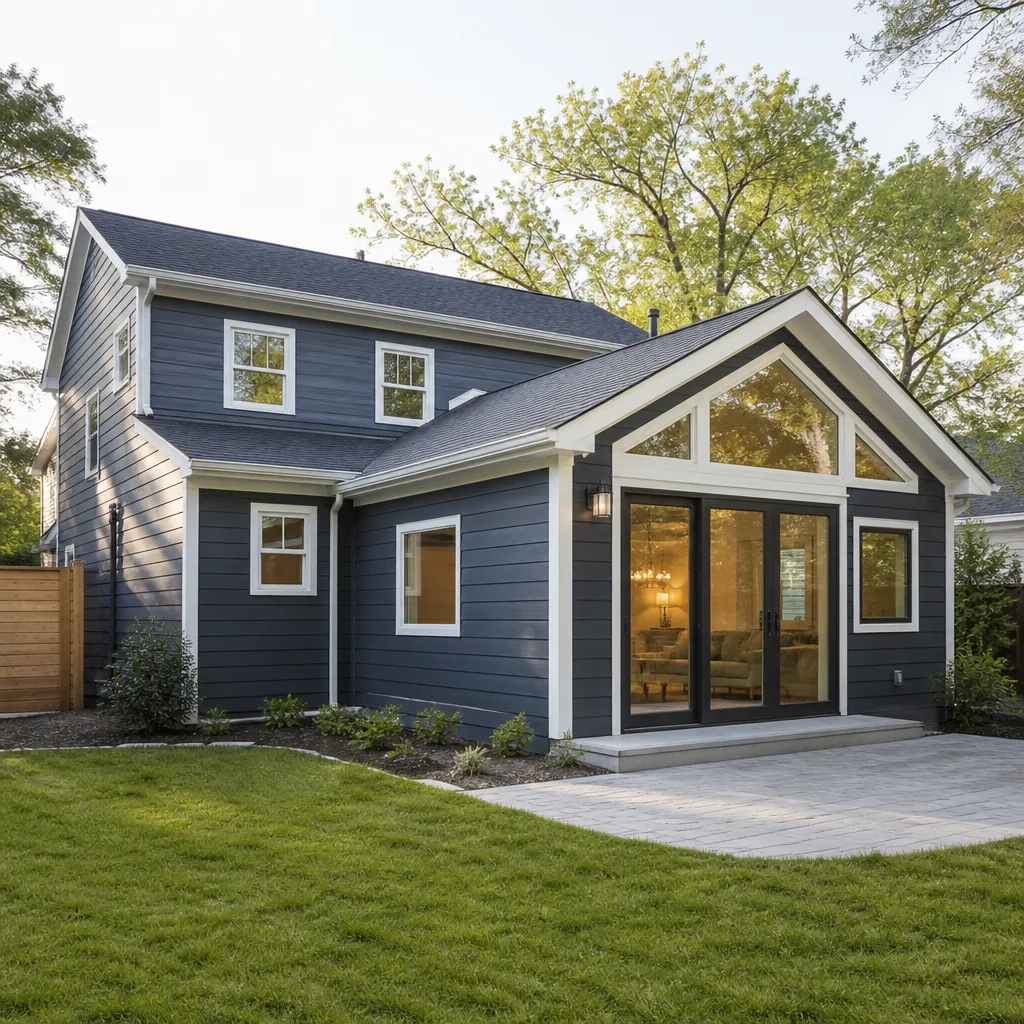 Home additions & ADU
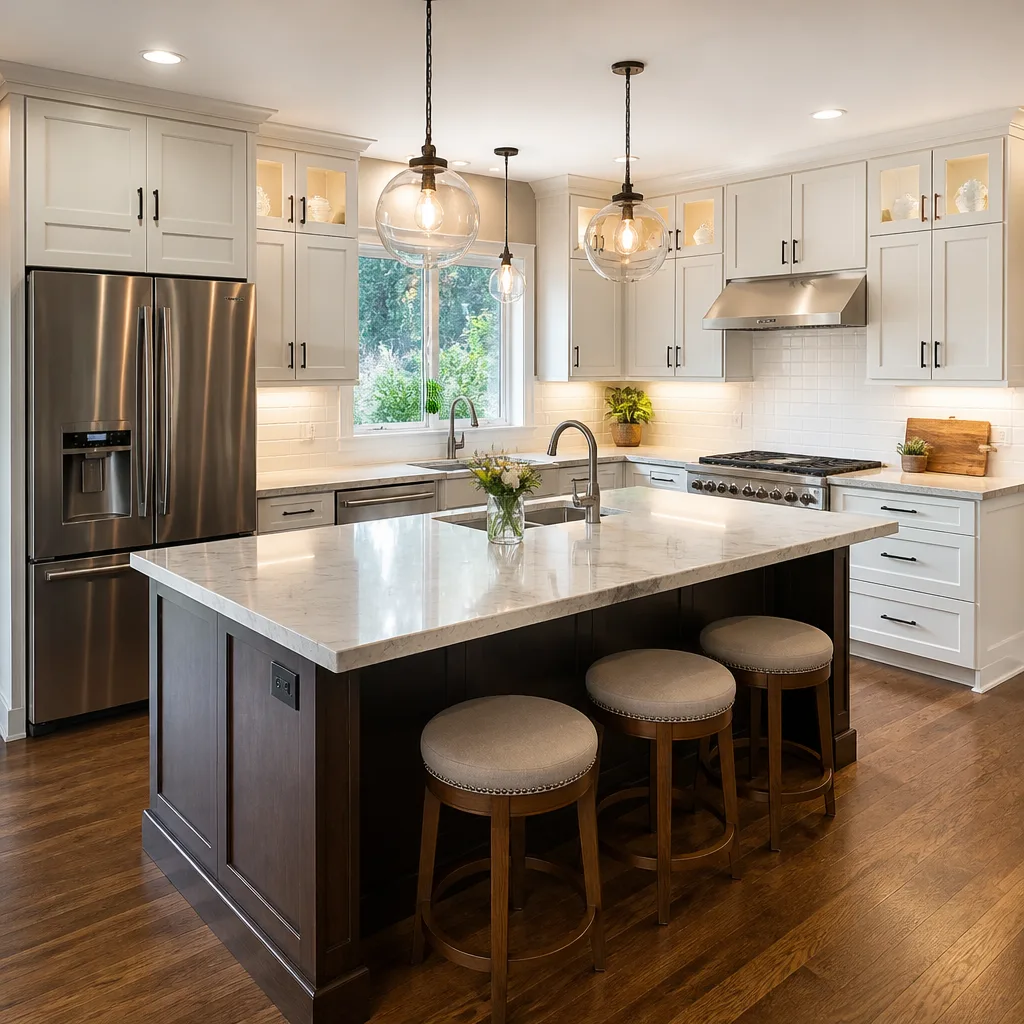 Kitchen remodeling
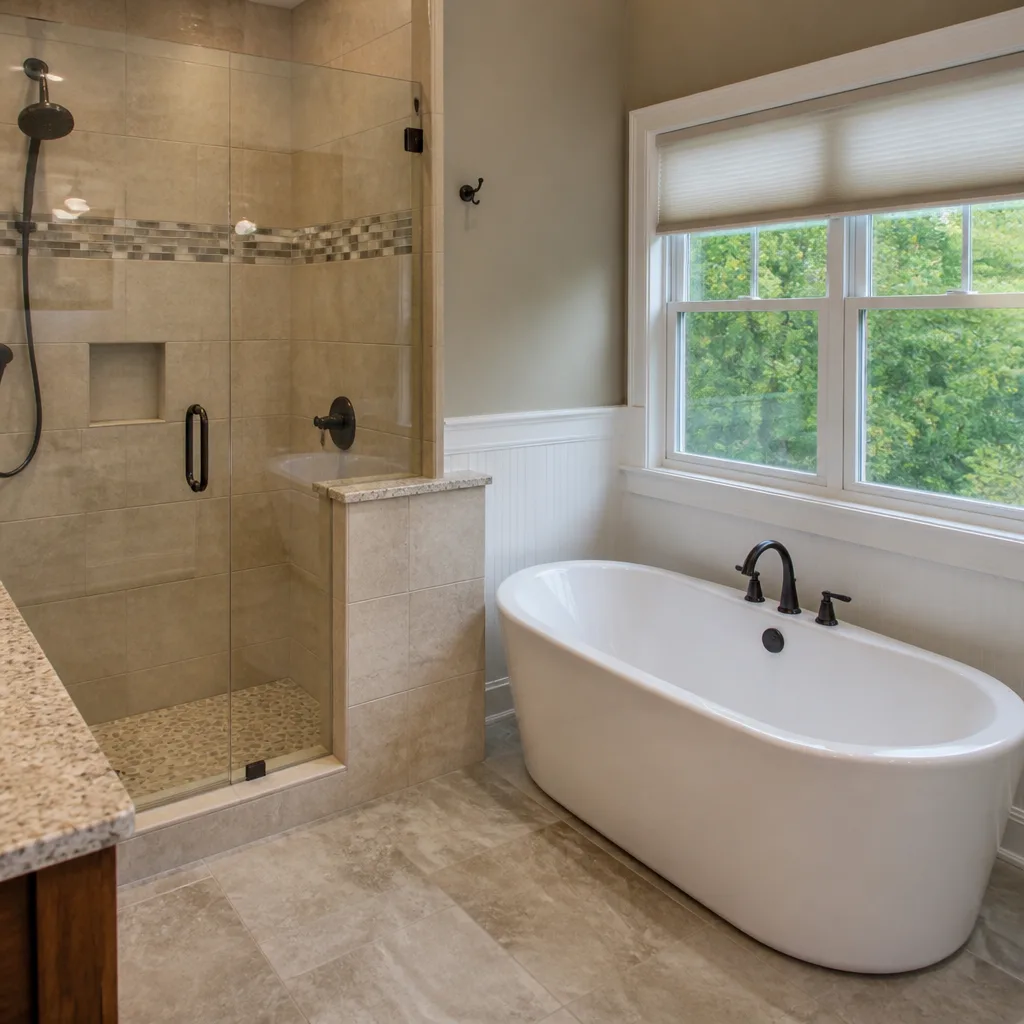 Bathroom remodeling
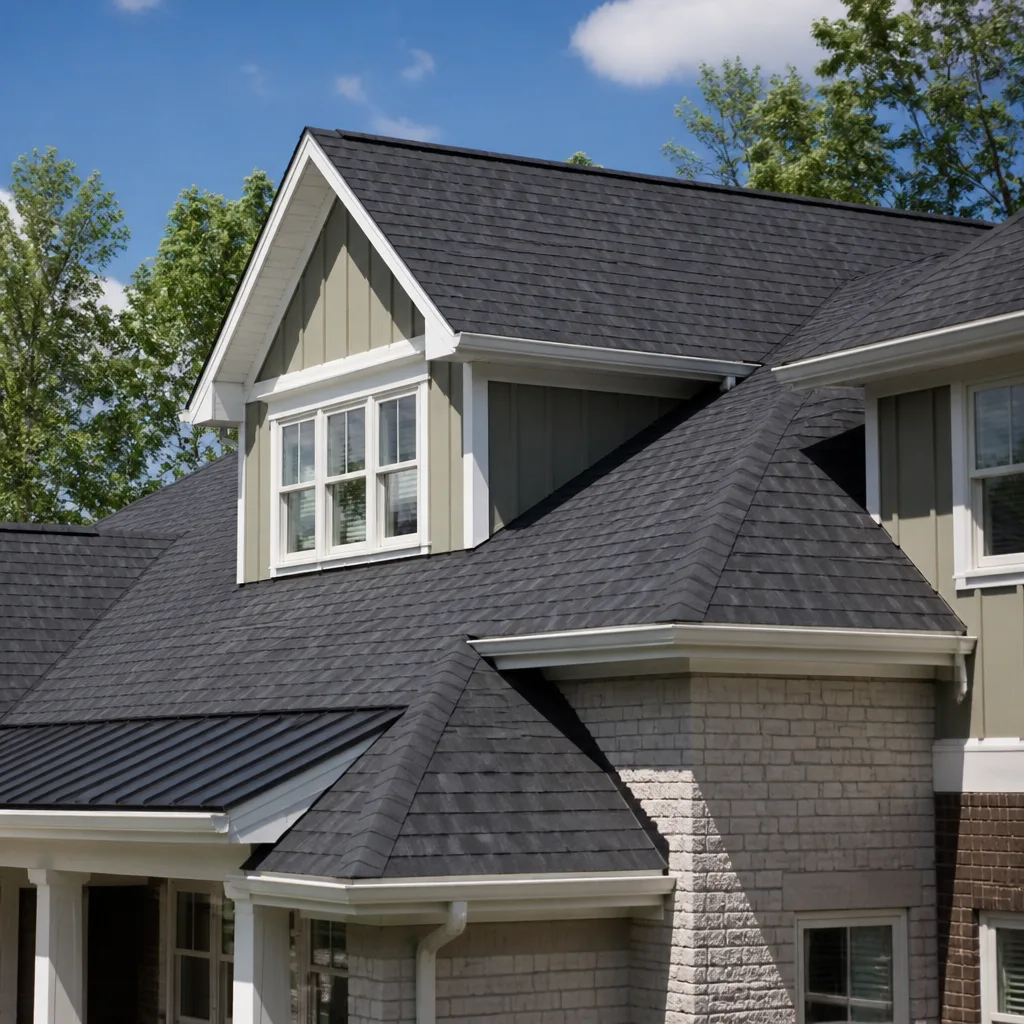 Roofing
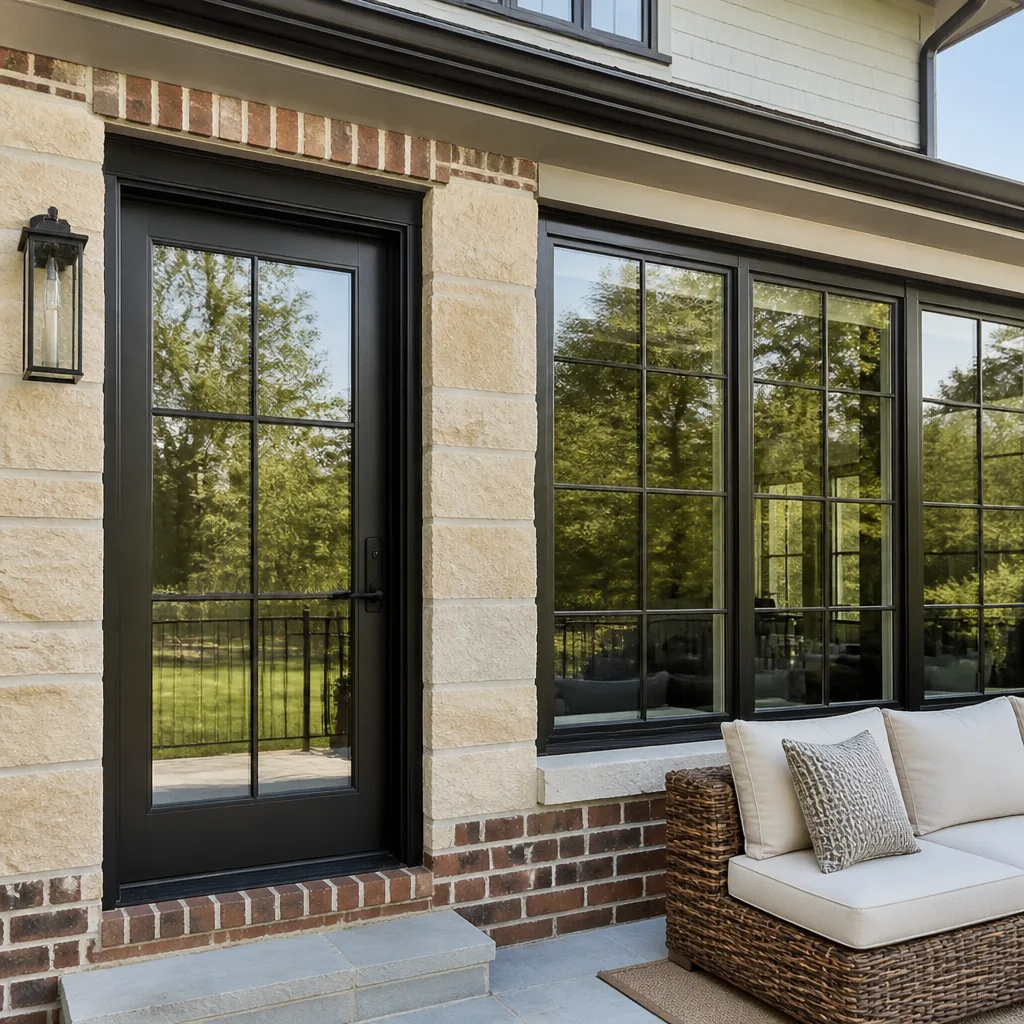 Windows & doors
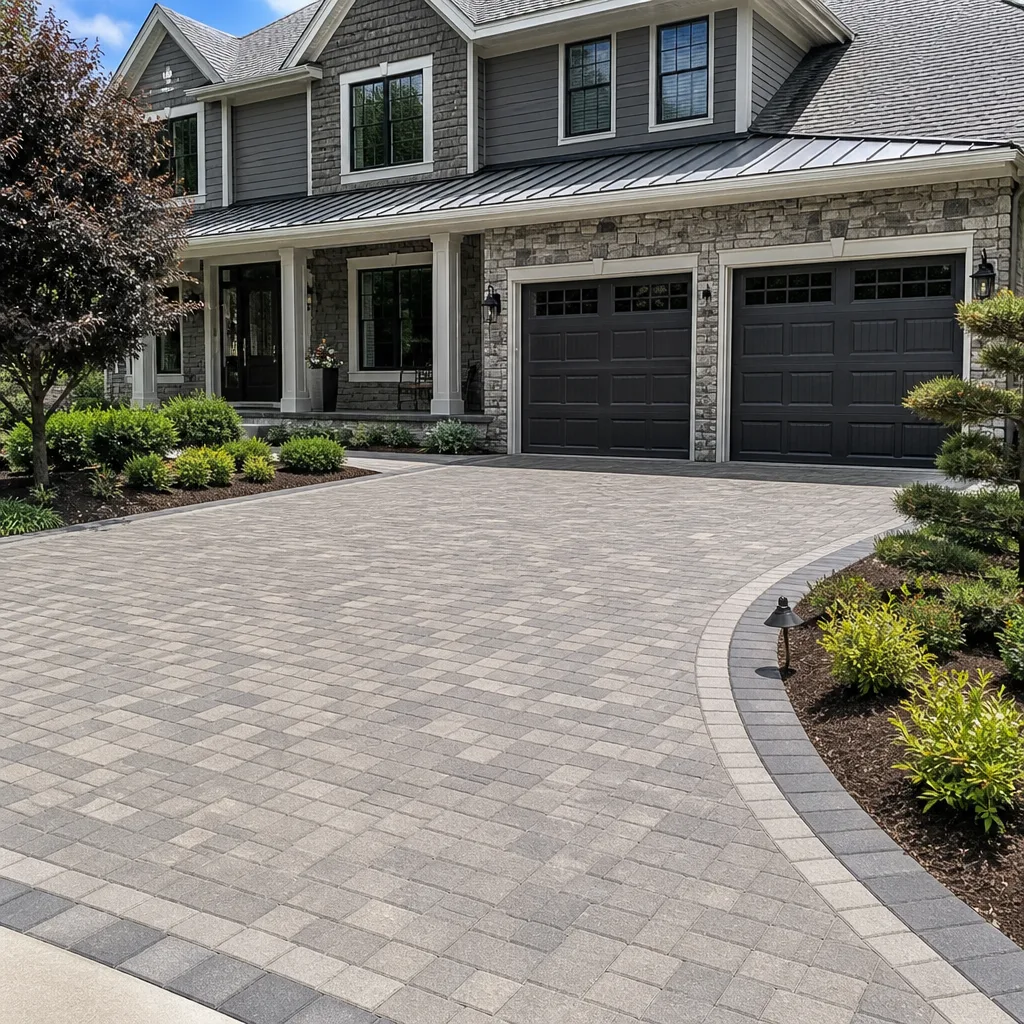 Driveway & pavers
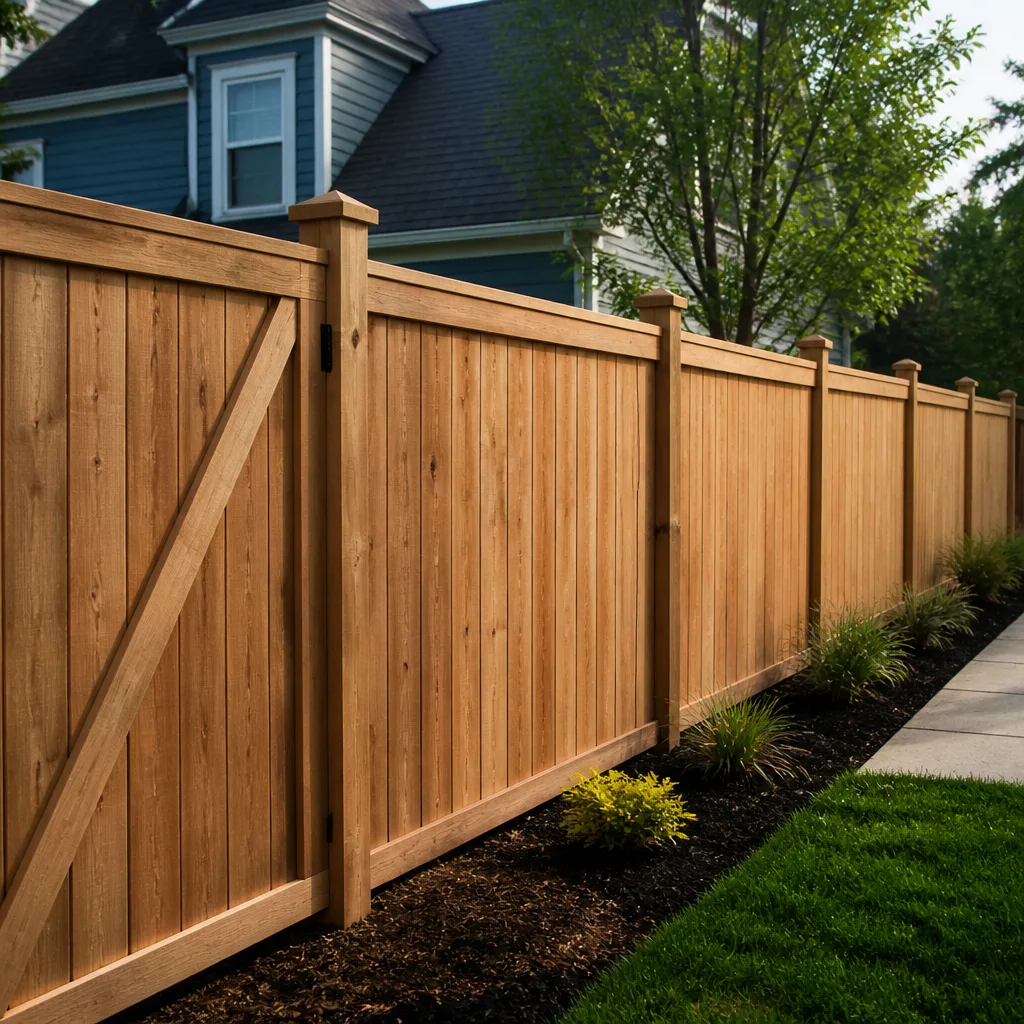 Fence
Free written scope consultation - allowances, timeline, and change-order rules on paper before a single trade is scheduled
Seasonal Construction Care for Allen: Year-Round Homeowner’s Guide
Most homeowners in Allen treat the calendar as four equal seasons and spread maintenance evenly across them. That’s the mistake. Allen really has two damaging seasons, summer heat that locks in thermal damage and winter ice storms that tear at roofs and gutters, and two narrow windows where construction and repair work actually perform the way it’s supposed to. The ice storms that hit Allen in February 2021 and again in 2023 caused more roofing, gutter, and exterior damage than most homeowners have fully addressed. Deferred repair from those events is now compounding as a thermal performance problem heading into summer. This guide maps the maintenance calendar to how Allen actually behaves, so you spend less and prevent more.
Quick Answer
In Allen, the highest-value maintenance window is March through April, when you can inspect and repair roofing, flashing, caulk, and exterior surfaces before sustained 100°F heat sets in. The second critical window is November, when you address the specific exterior elements that fail in the 20 to 28°F range Allen actually reaches during freeze events. Summer and mid-winter are for monitoring and emergency response, not planned exterior work.
Styles & brands we work with
- Kitchen remodeling
- Bathroom remodeling
- Home additions & ADU
- Roofing
- Windows & doors
- Driveway & pavers
- Fence
Table of Contents
- Why Allen Has Two Damaging Seasons, Not Four
- The March-April Window: Allen’s Highest-Value Maintenance Period
- Summer Failure Modes: What 95°F-Plus Heat Does to Allen Homes
- The November Pre-Freeze Checklist for Allen
- Sequencing Roofing, Painting, and Concrete Around Allen’s Rain Pattern
- Allen’s Drought-to-Flood Swing and Foundation Movement
- Choosing Materials That Survive an Allen Year
- Common Mistakes to Avoid
- When to Call a Professional
- Frequently Asked Questions
Why Allen Has Two Damaging Seasons, Not Four
Allen doesn’t experience a gentle four-season cycle. It runs a long, punishing summer and a shorter but violent winter, with two transitional windows in between. Thinking about your home as needing “spring cleaning” and “winterizing” misses the point. The real question is: which damaging season are you preparing for, and which window gives you the conditions to do it right?
The summer side of the calendar is the longer threat. Sustained heat above 95°F is routine in Allen, and it does quiet, cumulative damage to sealants, caulk, flashing, and exterior finishes. The winter side is shorter but sharper. Allen’s freeze events, like the February 2021 and 2023 storms, produce the kind of damage that shows up as missing shingles, detached gutter sections, and cracked exterior joints.
Here’s what that means for planning:
- March-April: Best window for inspection, repair, and exterior finishing before heat locks in
- May-September: Monitor and respond; avoid planned exterior work in peak heat
- October-November: Second window for pre-freeze exterior preparation
- December-February: Freeze event response and interior project season
If you orient your maintenance calendar to those two windows, the work you do performs substantially better. Paint adheres, sealants cure, concrete sets, and roofing membranes bond the way their manufacturers designed them to. Skip the windows and you’re fighting the climate.
The March-April Window: Allen’s Highest-Value Maintenance Period
March and April are the single best months to do exterior repair work on an Allen home. Temperatures are moderate, humidity is usually manageable, and you have enough runway before the first sustained 95°F stretch to complete and cure most exterior work. What you inspect and address in this window determines how much thermal damage your home absorbs over the summer.
Here’s the inspection sequence we recommend walking through each March:
- Roofline and shingle edges. Look for lifted, curled, or missing shingles, especially along ridges and hips. These are the first places ice storm damage shows up and the first places summer heat finishes the job.
- Flashing at penetrations and walls. Check the sealant around vents, chimneys, and where the roof meets walls. Sealant that has started to crack in March will fail completely by July.
- Gutters and downspouts. Confirm they are attached, clear, and draining away from the foundation. Loose gutter sections from winter events redirect water straight down your siding and foundation.
- Exterior caulk joints. Walk the perimeter and check every caulk line at windows, doors, and trim. Re-caulk anything that has pulled away, before summer heat bakes it worse.
- Exterior paint condition. Look for peeling, blistering, and chalking. March and April are ideal painting months because the surface can accept and cure the coating properly.
- Concrete and hardscape. Check for new cracks, settling, and movement. Document what you see now so you can compare after summer.
- Fence line. Inspect posts for movement and panels for storm damage. This is also the best month to plan a fence installation before heat makes digging and setting more difficult.
The March-April window is also when we recommend scheduling any planned roofing work. If your roof is due for replacement, doing it in spring means the new system is fully installed and weathered-in before the worst heat arrives. Working with a contractor who can source GAF or CertainTeed systems gives you warranty and performance options that matter over the long term.
Summer Failure Modes: What 95°F-Plus Heat Does to Allen Homes
Allen summers are hard on exterior materials in ways most manufacturer warranties don’t fully account for. This isn’t about a single dramatic failure. It’s about sustained heat above 95°F quietly degrading the components that keep your home sealed. Understanding the specific failure modes helps you know what to watch.
Caulk and sealant degradation. Standard exterior caulk has a temperature ceiling. When it’s repeatedly cycled through 95°F-plus days, it loses elasticity, shrinks, and cracks. Once it cracks, water gets behind it and the failure accelerates. This is why caulk you applied correctly in April can look fine in June and be failing by August.
Flashing sealant failure. Flashing sealants around roof penetrations are the most critical and most overlooked. Heat degrades the bond, and a pinhole gap is all it takes for water to reach decking. Allen homeowners often don’t discover flashing failure until they see a ceiling stain, which means the damage has been developing for weeks.
Composite decking and exterior wood movement. Composite materials expand and contract with heat. Boards installed too tightly in cool weather can buckle in summer. If you’re planning any deck or exterior hardscape work with Belgard or Unilock materials, install timing matters. The material warranty may not account for the specific thermal cycling Allen experiences.
Exterior paint chalking and fading. Sustained UV and heat accelerate chalking. A paint job that would last years in a milder climate can show premature fading in Allen if the prep and product selection aren’t matched to the conditions.
The practical takeaway: do your inspection and repair work in March-April, then treat summer as a monitoring season. Check your caulk lines and flashing after any long heat stretch. If you see cracks or gaps, get them addressed before they widen.
The November Pre-Freeze Checklist for Allen
A generic “winterize your home” list doesn’t fit Allen. The freeze events here are real, but they’re not the deep sustained cold of northern climates. The specific failure zone is roughly 20 to 28°F. That’s cold enough to cause problems but often caught mid-event. Your November checklist should target the exterior elements that actually fail in that range.
Here’s what to address each November:
- Roof and shingle condition. Any lifted, cracked, or missing shingles from summer heat or prior storms will let water in when freeze comes. Get these repaired before the first hard freeze.
- Gutter attachment and drainage. Confirm gutters are secure and downspouts carry water away from the foundation. Freeze events paired with moisture are the common damage combination in Allen.
- Exterior caulk and window seals. Re-check the caulk lines you serviced in spring. Summer heat may have opened new gaps. Seal them before winter weather stress.
- Exterior door sweeps and thresholds. Check door bottoms for gaps that let cold air and moisture in. This is also a good time to consider door replacement if you’re planning window and door work with PGT or Therma-Tru products.
- Fence post and panel integrity. Post movement from summer ground shifting becomes more critical before freeze. Check for loose posts and storm-damaged panels.
- Outdoor hardscape and concrete, crack assessment. Document any new cracks and note where water can pool. Freeze-and-thaw stress on water-filled cracks accelerates damage.
- Trim any overhanging vegetation. Branch contact with roofing and siding holds moisture and invites damage during freeze events.
The November window is your last clean shot before winter. Work scheduled in October and November has time to complete and cure before the first freeze event of the season.
Sequencing Roofing, Painting, and Concrete Around Allen’s Rain Pattern
Getting the sequence right for exterior work in Allen matters as much as the timing. Allen’s precipitation pattern is uneven. Spring brings rain events that can interrupt work, and summer brings high heat with occasional storms. If you sequence roofing, painting, and concrete incorrectly, you set up adhesion and cure failures even when the timing looked fine on paper.
Here’s the sequencing logic that works in Allen:
- Roofing first. Do roofing work before painting and any exterior finishing. A new roof means all the debris, foot traffic, and potential damage happens before you invest in finishes.
- Painting and exterior finishes second. Once roofing is complete and a dry stretch is forecast, paint and finish. March-April and October-November are the best windows for adhesion and cure.
- Concrete and hardscape last. Concrete and paver work should follow roofing and painting so debris doesn’t compromise the finished surface. Install hardscape with adequate drainage slope.
- Allow cure time. Don’t schedule painting immediately after roofing if rain is in the forecast, and give concrete adequate cure time before heavy traffic.
The rain-pattern trap is “roof, paint, wait for a dry spell.” If you’re doing full exterior work, plan the roofing and painting in the same window and leave buffer days. A contractor experienced with Allen’s weather knows to build that buffer in. If the work involves windows and doors, sequence those before exterior painting so trim and seals are finished in a single phase.
For homeowners adding a driveway update or considering a fence installation alongside other exterior work, the March-April window handles sequencing best. All the exterior phases can complete in a coordinated run before summer heat and before winter weather stress.
Allen’s Drought-to-Flood Swing and Foundation Movement
Allen’s soil moves. During dry summer stretches, the clay soil shrinks. During heavy rain events, it swells. That drought-to-flood swing is the primary driver of foundation movement in most Allen homes, and the warning signs often appear as exterior indicators you can catch before a professional assessment is urgent.
The exterior indicators to watch for:
- Diagonal cracks at corners of door and window openings. These are early signs of differential movement.
- New cracks in exterior brick or stucco that weren’t there a season ago.
- Doors and windows that stick or gap differently than they did in a different season.
- Gaps between fascia and wall, or between brick and trim that seem to grow over time.
- Separation between driveway or walkway and the house. This is a classic sign of soil movement next to the foundation.
- Driveway or paver cracks and settling that appear suddenly after a dry-to-wet transition.
The drought-to-flood swing is what makes Allen foundation movement tricky. A home can look fine through a dry summer and show movement within weeks of the first heavy fall rain. The best practice is to document conditions in spring and fall, which naturally aligns with the two maintenance windows this guide already recommends.
If you see new cracks, gaps, or doors and windows behaving differently, that’s the time to get a professional assessment. The earlier you catch movement, the more options you have. Repairs to concrete and exterior hardscape are affected by foundation movement, so it makes sense to address foundation concerns before scheduling driveway or paver work with Belgard or Techo-Bloc materials.
Choosing Materials That Survive an Allen Year
The single biggest factor in long-term performance is material selection matched to Allen’s climate. A material that performs well in a milder market can fail early here because of the heat and the freeze events. Choosing materials strategically is where “one contractor, every phase” makes a real difference. You want a partner who can specify the right product for each surface the home shows to the street.
Here’s what to prioritize by category:
- Roofing systems. Choose roofing with strong heat performance and warranty support. Working with GAF, CertainTeed, and Owens Corning systems gives you options across performance tiers.
- Windows and doors. Heat and freeze events stress window seals. Choose windows with durable frames and strong seals. PGT, CGI, and Therma-Tru product lines offer options worth comparing for an Allen install.
- Exterior sealants and finishes. Select high-performance caulk and paint engineered for high-heat climates.
- Concrete and hardscape. Choose pavers and concrete systems with proper drainage design. Belgard, Unilock, and Techo-Bloc materials perform well when installed with the right base and slope for Allen’s soil movement.
- Fencing. Choose fencing systems engineered for sun and wind exposure. Master Halco, Jerith, and Barrette products offer durability in aluminum, vinyl, and ornamental steel.
The “choose your materials, we handle the rest” principle applies directly to seasonal readiness. A full-scope contractor can specify roofing, windows, fencing, and hardscape together so each surface is matched to the climate, not accepted from whatever one trade happens to carry.
Common Mistakes to Avoid
- Treating maintenance as a spring-only task. Allen’s second critical window is November. Homeowners who skip the pre-freeze checklist often discover exterior damage only when it becomes an interior problem.
- Doing exterior work in peak summer heat. Sealants, paint, and concrete installed above 95°F often fail prematurely. Wait for the March-April or October-November windows.
- Ignoring ice storm damage that’s still on the roof. The 2021 and 2023 storms left more than a few Allen roofs with damage that’s still unfinished. Lifted shingles and cracked flashing get worse with each heat cycle.
- Scheduling painting before roofing. New roofing work means debris and foot traffic. Roofing should come first, painting second, and concrete last.
- Skipping the foundation inspection after heavy rain. Allen’s clay soil moves quickly after a drought-to-flood swing. Catching movement early is the difference between monitoring and repair.
- Using generic sealants and paint rated for mild climates. Products not matched to Allen’s heat can fail within a season. Choose materials rated for high-heat exposure.
- Overlooking the drought-flood effect on driveways and hardscape. Concrete cracks and paver settling often appear after the soil swings. Check driveways and walkways in fall, not just roof and gutters.
When to Call a Professional
Some seasonal care work is yours to handle. Some should be handled by a trained professional. Call a professional if you find shingle damage, cracked flashing, or roof penetrations you can’t assess from the ground. Call if exterior caulk or flashing sealant shows cracks beyond a simple touch-up. Call if you see new foundation cracks, or doors and windows sticking differently than last season. Call if you’re considering exterior work that involves roofing, windows, or concrete and you want it scheduled in the March-April or November window without adhesion or cure problems.
Whitman Contractors offers free estimates in Allen. We pull the permits and pass the inspections. Call (844) 320-7445 to schedule yours.
For a broader view of what a full-scope contractor covers, see Whitman Contractors. When your seasonal checklist turns into real work, we handle driveway & pavers, fence installation, and home additions & ADU as one accountable contractor across every phase.
Frequently Asked Questions
March and April are the best months for exterior home maintenance in Allen. Temperatures are moderate, humidity is usually manageable, and you have enough time before the first sustained 95°F stretch to complete and cure exterior work. This is the window for roofing repairs, caulking, painting, and concrete work. Call (844) 320-7445 to schedule a free estimate for planned exterior work.
Sustained heat above 95°F degrades caulk and flashing sealant differently than manufacturer warranties account for. The sealant loses elasticity, shrinks, and cracks. Once cracked, water gets behind it and the failure accelerates. This is why sealant applied in April can look fine in June and be failing by August. A professional inspection in March-April is the most reliable way to catch it before damage spreads. Call (844) 320-7445 for an estimate.
A pre-freeze checklist for Allen should focus on the exterior elements that fail in the 20-28°F range Allen actually hits: roofing and shingle condition, gutter attachment and drainage, exterior caulk and window seals, door sweeps and thresholds, fence post integrity, and concrete crack assessment. November is the best window to address these before the first freeze event. Call (844) 320-7445 to schedule an inspection.
Yes. The ice storms that hit Allen in February 2021 and again in 2023 caused more roofing, gutter, and exterior damage than most homeowners have fully addressed. Deferred repair from those events is now compounding as a thermal performance problem heading into summer. If your roof hasn’t been inspected since those storms, a spring inspection is worth scheduling. Call (844) 320-7445 for a free estimate.
Watch for diagonal cracks at door and window corners, new cracks in exterior brick or stucco, doors and windows that stick differently than last season, gaps between fascia and wall, and separation between the driveway and the house. Allen’s clay soil moves significantly during drought-to-flood swings, so check these indicators in both spring and fall. If you see movement, get a professional assessment. Call (844) 320-7445 for an estimate.
Whitman Contractors is a full-scope general contractor covering seven residential service categories. That means roofing, windows and doors, fencing, driveway and pavers, kitchen and bath remodeling, and home additions and ADUs can all be handled by one accountable contractor across every phase, which matters for seasonal sequencing. Call (844) 320-7445 to schedule a free estimate.
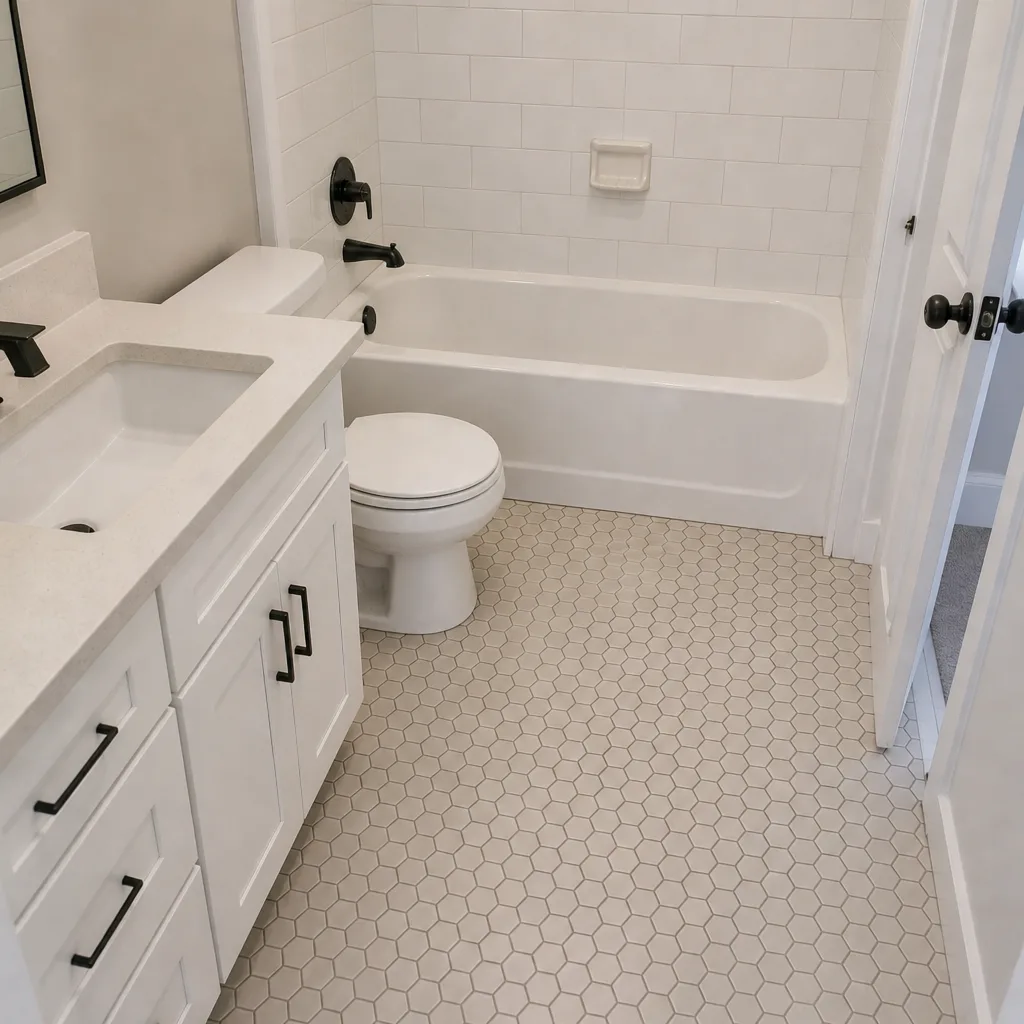
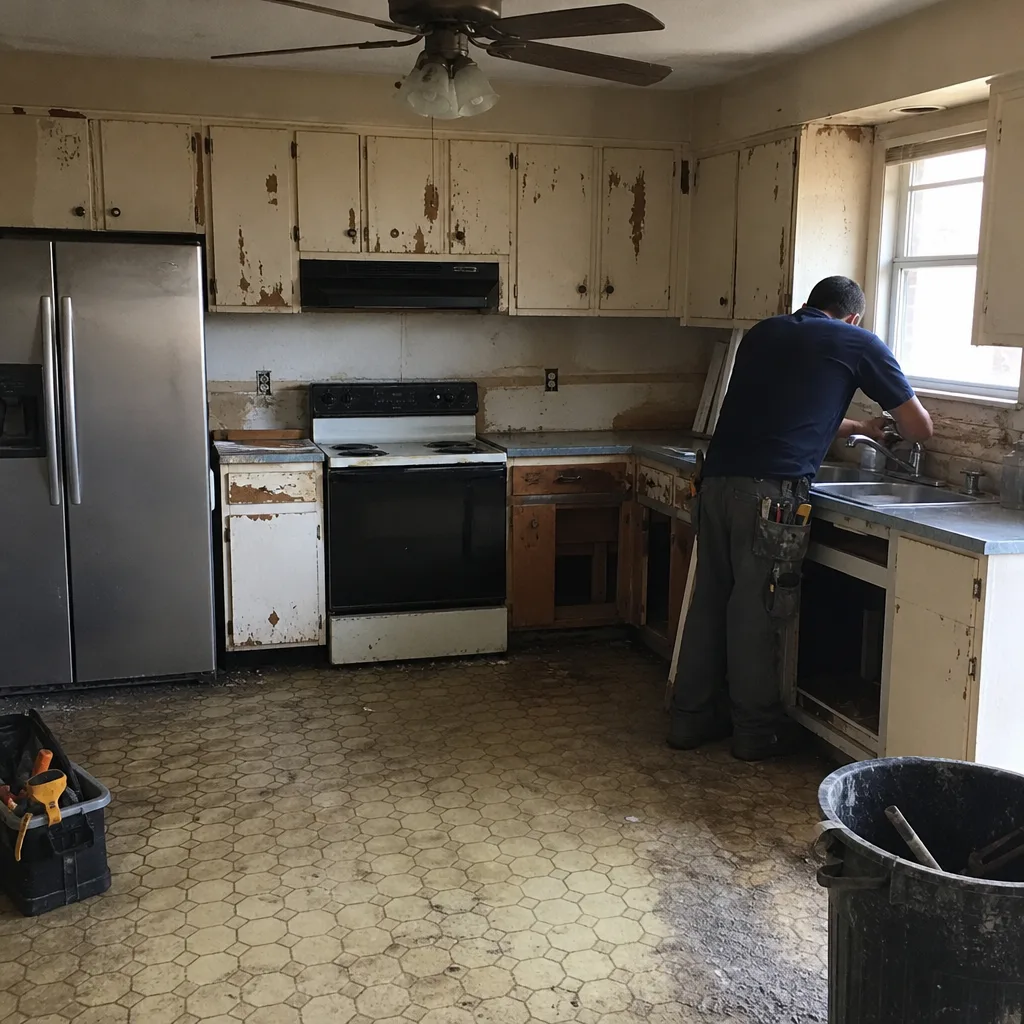
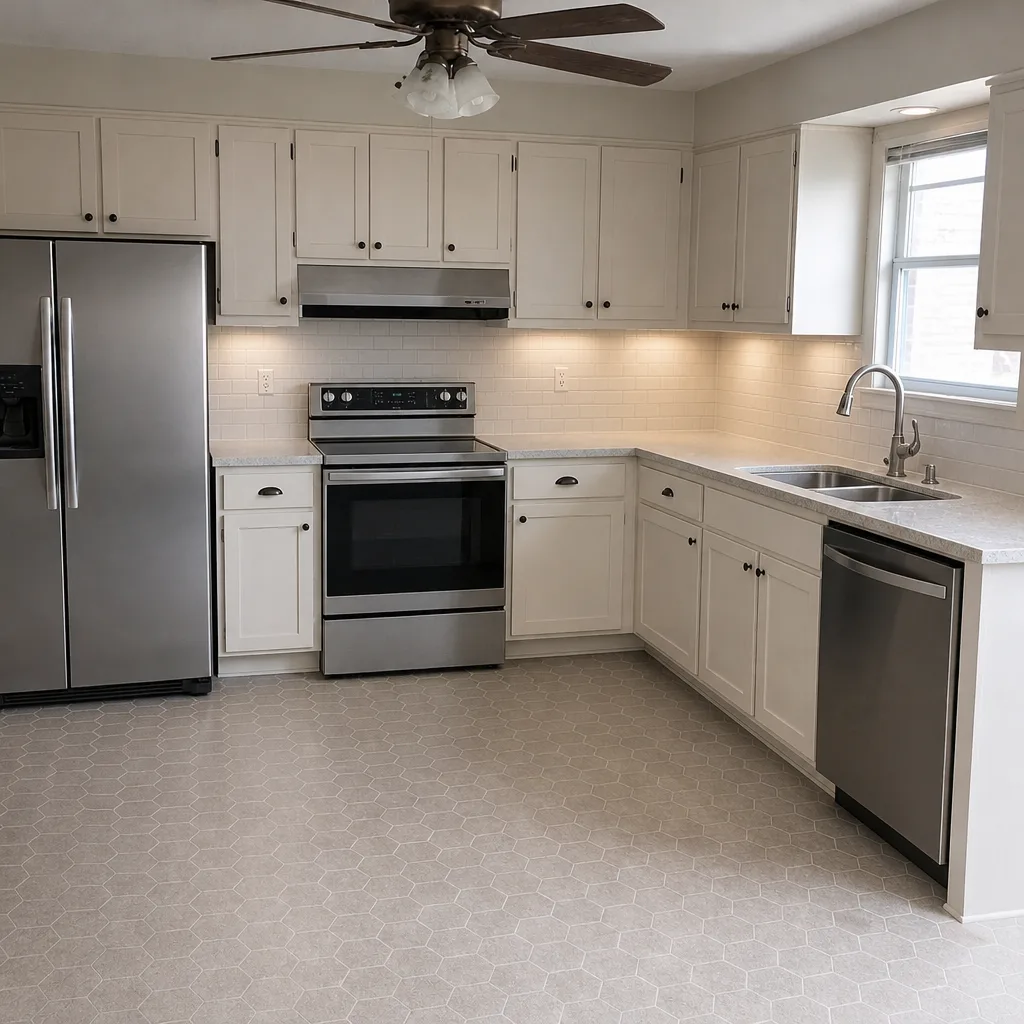
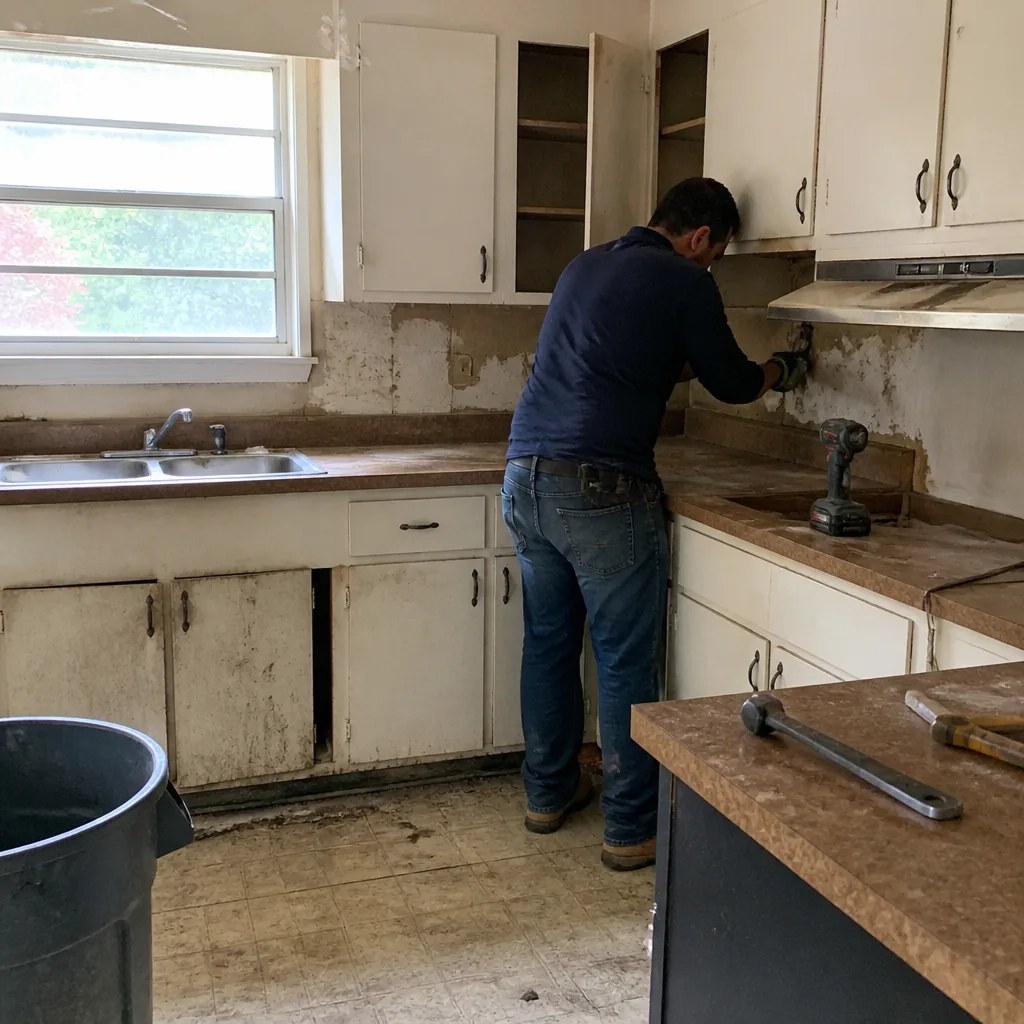
See the difference
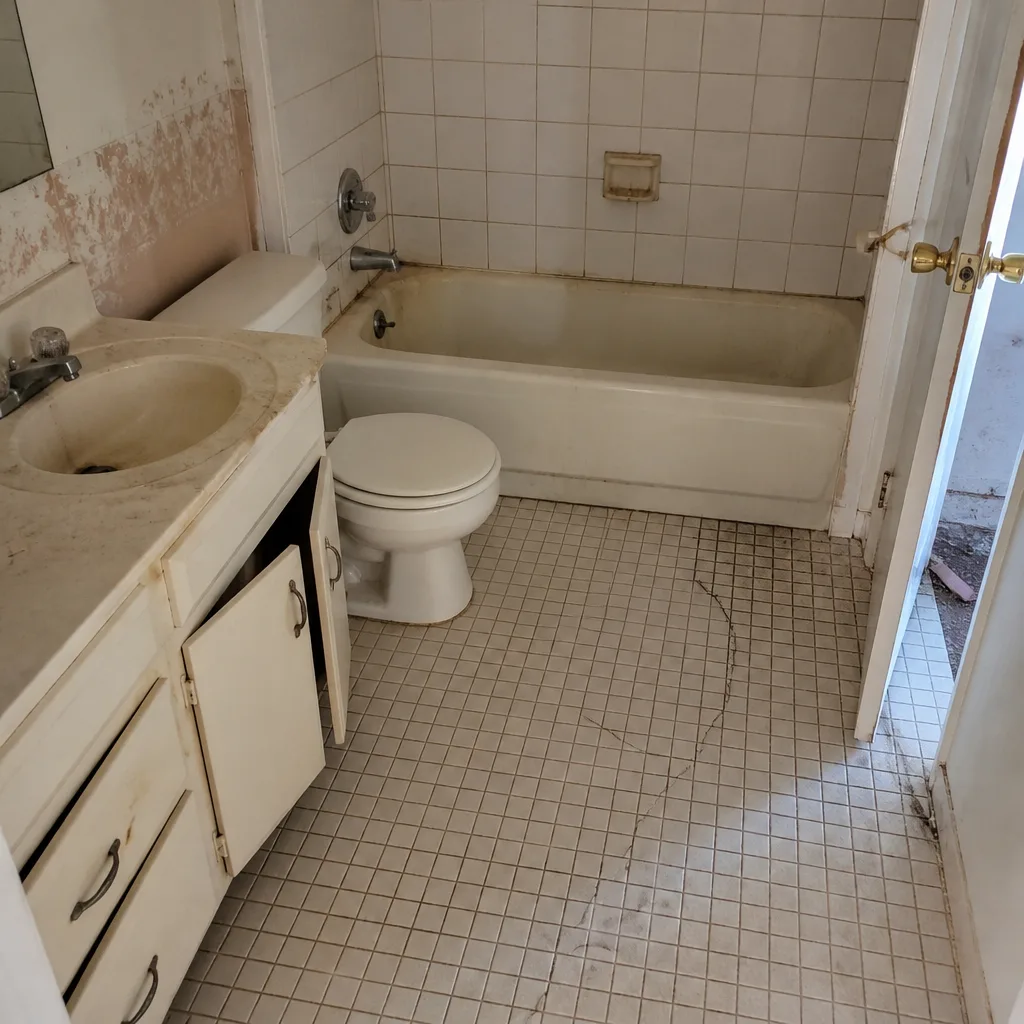 Before
 After
 Before
 After
 Before
 After
The Bottom Line
Allen doesn’t have four equal seasons. The two windows that matter are March-April, before heat locks in thermal damage, and November, before freeze events stress exterior elements. Everything else is monitoring and response. Map your maintenance calendar to those windows and you spend less and prevent more. Get your roof inspected after the 2021 and 2023 ice storms if you haven’t, address caulk and flashing before summer, and watch for foundation movement after every drought-to-flood swing. One contractor handling every phase means those repairs get sequenced correctly the first time.
Contact
Whitman Contractors offers free estimates, written line-item quotes, and fixed pricing with no change orders. Our technicians have up to 13 years of experience across seven service categories, from driveway and pavers to roofing and home additions. Call (844) 320-7445 to schedule your free estimate. We answer 24/7. Fast dispatch, 7am-7pm.
Written by the team at Whitman Contractors.